
An aphrodisiac is a natural substance that stimulates or enhances sexual desire. It works in several ways:
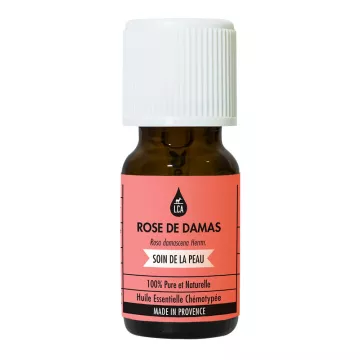
A universal symbol of sensuality, rose essential oil (Rosa damascena or centifolia) is one of the most chemically complex—with over 300 identified molecules. Its geraniol, citronellol, and nerol activate the olfactory receptors that project to the amygdala and the nucleus accumbens, the centers of desire. Controlled studies show that inhaling Damask rose reduces salivary cortisol by 20 to 30%, improves hedonic mood, and increases sensory receptivity. Its phenylethanol mimics phenylethylamine (PEA)—the “love” molecule—by activating similar neuromodulatory pathways.
The ultimate hormonal aphrodisiac, rose geranium essential oil (Pelargonium graveolens) has a particularly well-documented effect on female desire. Its citronellol and geraniol bind to estrogen receptors (volatile phytoestrogens), modulating the mucosal response and vaginal lubrication. Studies in olfactory psychology show that exposure to this essential oil improves mood, reduces anxiety, and increases behaviors associated with seeking intimacy. When massaged onto the lower abdomen at a 2% dilution, it is effective in addressing decreases in desire linked to hormonal fluctuations.
Distilled from the flowers of the sweet orange tree (Citrus sinensis), orange blossom essential oil has been one of the most widely used aromatic ingredients in Eastern perfumery since ancient times. Its linalool (25–35%) modulates GABA-A receptors, inducing deep relaxation and emotional openness. Its linalyl acetate amplifies this effect by reducing cortical inhibition—allowing desire to express itself without mental barriers. Clinical aromatherapy studies confirm its anxiolytic effect, which is superior to that of a placebo, with an improvement in sensual emotional well-being.
Used in ancient Egyptian rituals of attraction, cedar essential oil (Cedrus atlantica) is the quintessential traditional male aphrodisiac. Its cedrol and sesquiterpenes activate the OR51E2 olfactory receptors, found on the epithelial cells of the genital mucous membranes—a mechanism of chemosensory communication documented in vitro. Its warm, woody-earthy scent induces deep parasympathetic relaxation and a state of self-confidence—the psychological foundation of male sexual performance—which olfactory studies have shown to evoke feelings of strength and attractiveness.
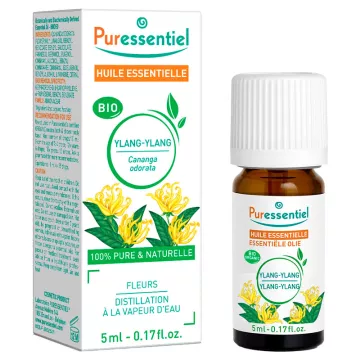
Two floral essential oils with complementary sensual profiles to round out an aphrodisiac palette: