What is an anti-aging serum, and how does it work?
An anti-aging serum is a cosmetic product concentrated with targeted active ingredients, formulated to complement a daily skincare routine. Characteristics:
- Light, fluid texture, generally free of heavy oils
- High concentration of scientifically validatedactive ingredients
- Optimized penetration into the superficial layers of the epidermis
- Targeted action on signs of skin aging: wrinkles, loss of firmness, loss of radiance, dark spots
- Complements a cleanser and moisturizer
- Use as an intensive treatment or as part of a regular skincare routine
- Visible results over several weeks to several months
The serum is not a replacement for moisturizer but a concentrated supplement that is applied between cleansing and moisturizing. Our anti-aging skincare section at the pharmacy offers products tailored to different skin types.
What benefits can you expect from a serum?
Regular use provides several visible benefits:
- Reduction of fine lines caused by dehydration
- Gradual improvement in superficialwrinkles
- Deep,enhanced hydration
- Support for skin firmness, depending on the active ingredients
- Improved radiance and evennessof the complexion
- Smoothing of skin texture through promotion of cell renewal
- Antioxidant protection against free radicals and pollution
- Targeted action on pigmentation marks
- Prepares the skin to receive other products in your skincare routine
- “Smoothing primer” effect before applying makeup for certain formulas
Results are gradual: no serum delivers dramatic results in just a few days. Consistency remains the key to success.
How to apply it correctly?
A well-executed routine maximizes effectiveness:
- Remove makeup and gently cleanse the face
- Optional: Usea toning mist or floral water to prepare the skin
- Applya few drops of serum to your fingertips (usually 3 to 4 drops)
- Gently pat onto the face and neck, avoiding the eye area and mucous membranes
- Gently massage in upward motions until fully absorbed
- Wait one minute before applying moisturizer
- Moisturizer suited to your skin type
- Always applySPF 30 to 50+ sunscreen in the morning (essential when using photosensitizing active ingredients)
- Apply to the décolletage and hands if applicable (areas exposed to sunlight)
Precautions: Perform a 48-hour patch test in the crook of the elbow before first use; introduce concentrated serums (especially those containing retinol) gradually. Avoid using multiple irritating active ingredients simultaneously (retinol + AHA + concentrated vitamin C).
When should you start using a serum?
The age at which you should start depends on your skin type and concerns:
- Ages 25–30: A hydrating serum with hyaluronic acid for prevention
- Starting at age 30: an antioxidant serum with vitamin C as part of your morning routine
- Starting at age 35–40: Gradually incorporate cosmetic retinol into your evening routine
- Starting at age 40 and older: serums with higher concentrations of peptides and targeted active ingredients
- During perimenopause: adapt to hormonal changes (firming serums)
- Post-menopause: Serums suited for drier and more sensitive skin
It’s never too late to start. Even on mature skin, incorporating a suitable serum delivers visible benefits. However , starting early remains a factor that supports long-term results. For the first signs of aging, see also our guide to the signs of aging.
What active ingredients should you look for in a serum?
Several well-documented ingredients depending on your needs:
- Hyaluronic acid: a key moisturizer with an immediate plumping effect; suitable for all skin types
- Vitamin C (L-ascorbic acid, stabilized derivatives): antioxidant, radiance, even skin tone, use in the morning
- Cosmetic retinol: promotes cell renewal (evening only; photosensitizing; contraindicated during pregnancy and breastfeeding; introduce gradually)
- Peptides: support skin firmness and suppleness
- Niacinamide (vitamin B3): improves the visible quality of the skin, soothes redness
- Vitamin E: antioxidant that works synergistically with vitamin C
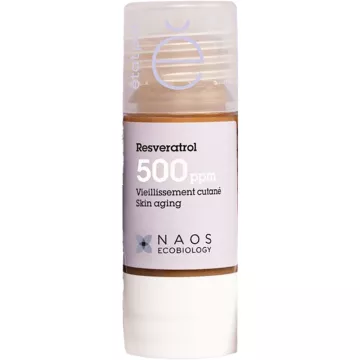
- Resveratrol: plant-based antioxidant
- Coenzyme Q10: targeted antioxidant
- Ferulic acid: stabilizes other antioxidants
- Cosmetic AHAs (glycolic, lactic, and mandelic acids): gentle exfoliants (photosensitizing)
- Azelaic acid: for dark spots and blemishes (one of the safest options, even during pregnancy, according to medical advice)
- Centella asiatica (Cica): cosmetic skin support
- Caffeine: local decongestant effect
The combination of complementary active ingredients in a balanced formula is often more effective than a single, concentrated active ingredient.
Suitable for all skin types?
Several formulations are available for each skin type:
- Dry skin: serums rich in hyaluronic acid, glycerin, squalane, and ceramides
- Combination skin: lightweight serums with niacinamide and vitamin C, non-greasy textures
- Oily, blemish-prone skin: lightweight, non-comedogenic formulas with salicylic acid and niacinamide
- Sensitive skin: ultra-gentle, fragrance-free, and alcohol-free formulations with soothing active ingredients (aloe vera, allantoin, panthenol) and moderate concentrations
- Mature skin: serums combining peptides, antioxidants, and firming ingredients
- Dark or uneven skin tone: vitamin C, niacinamide, tranexamic acid, azelaic acid
- Dark skin types: Use concentrated active ingredients with caution (risk of paradoxical hyperpigmentation)
A 48-hour tolerance test on the inner elbow is recommended before any regular use, particularly for sensitive or reactive skin. Consulting a pharmacist can help identify the most suitable formulation.
Serums and Other Skincare Products: How to Combine Them?
The order in which skincare productsare applied follows a specific sequence:
Morning routine:
- Gentle cleanser
- Floral water or toner (optional)
- Antioxidant serum (e.g., vitamin C)
- Specialized eye cream
- Suitable moisturizer
- SPF 30 to 50+ sunscreen as the final step
Evening routine:
- Makeup removal
- Gentle cleanser
- Targeted serum (cosmetic retinol, peptides, or hyaluronic acid, depending on the night)
- Specific eye cream
- Nourishing night cream
- Finishing plant-based oil for very dry skin
Combinations to know:
- Good combinations: hyaluronic acid + vitamin C, peptides + hyaluronic acid, niacinamide + hyaluronic acid
- Do not use simultaneously: retinol + AHA + concentrated vitamin C (increased risk of irritation)
- Possible Alternation: Vitamin C in the morning, retinol in the evening
- Timing: Allow a few days between introducing each new active ingredient
What side effects should you watch for?
Several reactions may occur when you first start using these products:
- Initialtingling or a sensation of warmth (usually temporary)
- Temporaryredness
- Dryness and tightness
- Superficial peeling
- Increased sensitivity to the sun when using photosensitizing ingredients (retinol, AHA, BHA)
- Paradoxical breakouts (temporary flare-up with retinoids or AHAs)
- Allergic reactions to preservatives, fragrances, or active ingredients
- Persistentitching and tightness
- Contact eczema in rare cases
What to do in case of a reaction:
- Stop using the serum in questionimmediately
- Rinse with lukewarm, clear water
- Apply a soothing treatment containingaloe vera or chamomile
- Space out applications (every other time, or every third time)
- Gradually reintroduce the product once the condition has improved
- Consult your pharmacist or dermatologist if symptoms persist
How should you store your serum?
Proper storage preserves the effectiveness of sensitive active ingredients:
- Store ina cool, dry place: avoid extreme temperatures and humidity
- Keep it out of the bathroom: fluctuations in temperature and humidity can alter the formulas
- Protect from light: store in an opaque bottle or a drawer (vitamin C is particularly light-sensitive)
- Store away from air: prefer pump or airless bottles
- Always close the bottletightly after each use
- Hygiene during application: Do not put your fingers in the bottle (use a pipette or pump instead)
- Observe the PAO (Period After Opening) indicated on the packaging: generally 6 to 12 months
- Monitor for changes: unusual odor, color, or texture may indicate oxidation or contamination
- Vitamin C: Refrigeration is recommended for unstable formulations
A serum that is not stored properly gradually loses its effectiveness and may even become irritating.
Anti-aging serum and pregnancy?
Use during pregnancy and breastfeeding requires strict precautions:
Strictly contraindicated:
- Oral and topical retinoids (tretinoin, adapalene, isotretinoin): teratogenic
- Highly concentratedcosmetic retinol
- Hydroquinone
- Medium- to deep-depthchemical peels
- Salicylic acid at therapeutic concentrations
- Essential oils in most cases
- High-concentrationphytoestrogens (use with caution)
Generally well-tolerated (medical advice recommended):
- Topical hyaluronic acid
- Topical vitamin C in standard cosmetic formulations
- Niacinamide in moderate concentrations
- Azelaic acid: considered one of the safest
- Mild plant-based antioxidants (vitamin E, green tea)
- Purealoe vera gel
- Centella asiatica at a cosmetic concentration
- Peptides at a cosmetic concentration
Always consult your primary care physician, gynecologist, or pharmacist before using a new serum while pregnant or breastfeeding.
Serum vs. cream: what are the differences?
Serums and creams are complementary, not interchangeable:
Serum:
- Light, fluidtexture, sometimes gel-like
- Higherconcentration of active ingredients
- Penetrates the superficial layers
- Apply before moisturizer
- Targets specific concerns (wrinkles, dark spots, firmness, radiance)
- Smallamount used (a few drops)
- Longer-lastingeffect
Moisturizer:
- Richertexture, emulsion, or cream
- Balancedblend of hydrating agents, lipids, and emollients
- Main action: hydration and restoration of the skin barrier
- Apply after serum, as the final step in your morning routine (with SPF) or at night
- Immediate (comfort) and medium-termeffects
- Moderateamount used (a pea-sized amount for the face)
For an optimal routine, the two products complement each other. The serum targets specific concerns, while the cream locks in moisture and addresses the skin’s surface needs. For mature skin, the serum-and-cream combination remains the most effective strategy. For visible results in 4 to 12 weeks, consistent application is key. Your pharmacist is a valuable resource for identifying products suited to your skin type.




![Filorga Hydra-Aox [5] 30 ml](https://www.soin-et-nature.com/media/cache/shop_product_thumbnail/products/5/2/5/2/7/52527.jpg "Filorga Hydra-Aox [5] 30 ml")