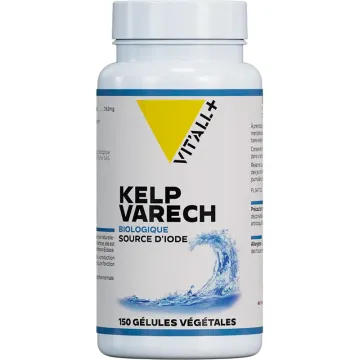
Seaweeds are aquatic organisms with exceptional nutritional density—they contain high concentrations of vitamins, minerals, plant proteins, and antioxidants in amounts that most land plants cannot match. In health food stores, they are available as dietary supplements: spirulina, chlorella, fucus, and brown seaweed. Find our spirulina line at your local pharmacy.
What are algae-based dietary supplements?
There are two main categories of algae used in dietary supplements.
- Microalgae: microscopic, single-celled organisms— spirulina (Arthrospira platensis, a cyanobacterium) and chlorella (Chlorella vulgaris, a single-celled green algae)—are the most extensively studied forms in nutrition
- Marine macroalgae: brown algae (fucus, kombu, wakame—rich in iodine and alginates), red algae (dulse, nori—rich in iron), and green algae (sea lettuce)
- Available in powder, tablet, capsule, or extract form—tablets and capsules guarantee a specific active ingredient content
- Require testing for heavy metal contamination (TPTH) and microcystins (spirulina)—a non-negotiable quality criterion
Seaweed and Iodine: What Role Do They Play in Thyroid Health?
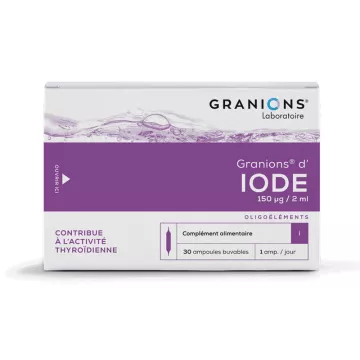
Iodine is the most distinctive mineral found in seaweed—it is essential for the synthesis of thyroid hormones.
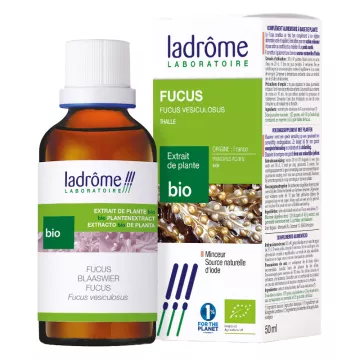
- Brown seaweeds (fucus, kombu, wakame) are the most concentrated dietary sources of iodine
- Iodine contributes to normal thyroid function and normal energy metabolism (EFSA claims)
- Thyroid disorders (hypothyroidism or hyperthyroidism, treatment with synthetic hormones): supplementation with iodine-rich seaweed is contraindicated without medical advice—risk of thyroid imbalance
- Iodine intake from seaweed varies greatly depending on the species and origin—opt for formulas with a guaranteed and standardized iodine content
- Spirulina contains little iodine—it does not interfere with thyroid function
Spirulina and chlorella: the gold standard in microalgae?
These two microalgae are the most scientifically well-documented algal active ingredients.
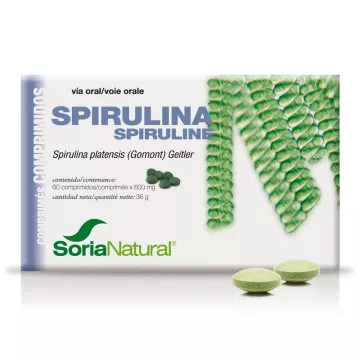
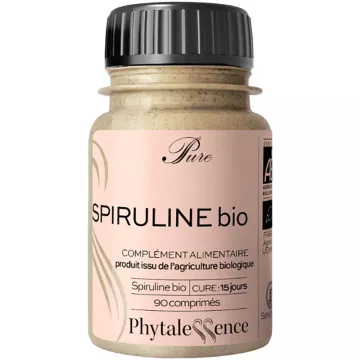
- Spirulina: 60–70% complete plant protein, highly bioavailable iron, phycocyanin (a unique antioxidant), beta-carotene—ideal for vegetarians, vegans, and athletes
- Chlorella: rich in chlorophyll, essential amino acids, and CGF (Chlorella Growth Factor)—supports vitality and the immune system
- Chlorella: The cell walls must be broken down to allow for digestion (check for “broken cell walls” on the label)
- Plant-based source of vitamin B12: Chlorella contains pseudo-vitamin B12, which is less bioavailable—spirulina does too, but it is insufficient as a sole source for strict vegans
- Both microalgae promote healthy digestion and gut flora balance thanks to their fiber and natural prebiotics
Algae and Nutrition: What Specific Benefits Do They Offer?
Algae provide specific nutrients that are difficult to obtain from land plants.
- Iodine: brown algae—an essential cofactor for thyroid function, absent from most land plants
- Complete plant proteins: spirulina—an amino acid profile comparable to that of eggs, without the saturated fats
- Omega-3 DHA fatty acids: marine microalgae (Schizochytrium, Nannochloropsis)—a direct vegan source of DHA without relying on fish
- Antioxidants: phycocyanin (spirulina), fucoxanthin (brown algae), chlorophyll (chlorella)—active compounds not found in terrestrial plants—see natural antioxidants
- Soluble fiber (alginates, carrageenans): supports the gut microbiome
How to Choose Seaweed Supplements?
The quality of algae in dietary supplements varies widely —here are a few essential criteria.
- Certified origin: clean waters, organic farming, or controlled aquaculture — algae bioaccumulate marine pollutants
- Contaminant analysis: heavy metals (lead, mercury, cadmium, arsenic), microcystins for spirulina
- Guaranteed active ingredient content: phycocyanin for spirulina, chlorophyll for chlorella, iodine for brown algae
- GMP-certified, ideally certified as organic under European standards (AB or equivalent)
- For vegans: check the source of algal DHA—only certain species (Schizochytrium) produce directly absorbable DHA—see omega-3
Precautions and contraindications?
Algae are well tolerated when used appropriately—a few important precautions apply.
- Thyroid disorders (hypothyroidism/hyperthyroidism, ongoing treatment): Avoid iodine-rich seaweed without medical advice
- Anticoagulants (warfarin): Algae rich in vitamin K (chlorella, sea lettuce) may alter the effect—inform your doctor
- Pregnant women: Choose products certified free of heavy metal contamination—avoid high doses of fucus (iodine)
- Phenylketonuria (PKU): Spirulina contains phenylalanine—contraindicated
- Seafood allergy: use caution—possible cross-reactivity with certain marine algae
- Autoimmune disorders: Spirulina stimulates the immune system—consult a doctor before use if you have an autoimmune disease