Helianthus annuus 5CH, 9CH homeopathic granules by Boiron
Helianthus annuus offers a natural and effective therapeutic option for the homeopathic treatment of liver and inflammatory disorders. Its availability in various dilutions and the option for customized preparations allow for flexible and targeted use, tailored to each patient’s therapeutic needs. As always, it is recommended to consult a qualified healthcare professional to determine the best homeopathic treatment plan.
If there is no improvement within 24 hours, consult your homeopathic physician.
Indications and Dosage
Homeopathic remedies can be used for a variety of symptoms; therefore, it is not possible to specify the indications and dosage for a specific preparation.
The homeopathic physician selects the appropriate remedy, dilution, and dosage based on the patient’s health condition and characteristic symptoms.
Helianthus Annuus: Homeopathic Treatment in Gastroenterology
Therapeutic Indications
Helianthus Annuus, available from Boiron in homeopathic granules in dilutions ranging from 4CH to 15CH, is primarily used to treat spleen-related conditions in gastroenterology.
Use in Gastroenterology
- Spleen Disorders and Splenomegaly: Helianthus Annuus is effective for cases of spleen disorders, including splenomegaly, a condition in which the spleen is enlarged beyond its normal size. This remedy can help reduce inflammation and improve splenic function.
- Chronic Alcoholism with Spleen Damage: In cases where chronic alcoholism has affected the health of the spleen, Helianthus Annuus is used to support tissue regeneration and mitigate the harmful effects of alcohol on this organ.
Properties and Benefits
In homeopathy, Helianthus Annuus is recognized for its anti-inflammatory properties and its ability to support spleen health, helping to regulate symptoms and improve the overall condition of patients suffering from complications related to this vital organ.
Therapeutic Applications
Helianthus annuus is used in homeopathy primarily for:
- Liver Disorders: It is frequently prescribed to improve liver function and to aid in the treatment of conditions such as mild hepatitis and other liver disorders.
- Inflammatory Conditions: Effective in treating inflammatory conditions, particularly in the gastrointestinal tract, where it can help reduce inflammation and relieve pain.
- General Health Support: Used for its beneficial effects on overall vitality, particularly for people who feel tired or weakened.
Directions for Use
It is recommended that you avoid touching the homeopathic granules with your fingers. It is recommended to take 5 granules of Helianthus Annuus at the appropriate dilution, as needed or as recommended by a healthcare professional. The granules should be taken between meals for optimal absorption.
The globules in single-dose tubes are taken all at once by allowing them to dissolve slowly under the tongue. If a dose is missed, take 10 granules of the same dilution. Use a mint-free toothpaste (such as Homéodent Boiron, a toothpaste compatible with taking homeopathic granules).
How long does it take to see improvement with Helianthus Annuus?
Results may vary depending on the individual and the severity of symptoms. For conditions related to the spleen, improvements may be observed after a few weeks of regular use.
Are there any side effects from using Helianthus Annuus?
Helianthus Annuus is generally well tolerated, and side effects are rare in homeopathy. However, if you experience any unusual reactions, it is important to consult a healthcare professional.
Can Helianthus Annuus be used alongside other treatments for spleen conditions?
Yes, Helianthus Annuus can be used in conjunction with other treatments prescribed for spleen conditions. It is recommended to consult a healthcare professional to ensure there are no interactions and for optimal symptom management.
Is Helianthus Annuus suitable for all ages?
Helianthus Annuus can be used by people of various ages, but a consultation with a healthcare professional is recommended to adjust the dosage and confirm the appropriateness of the treatment, particularly for children and the elderly.
Packaging and Quantity
Helianthus annuus, commonly known as the sunflower, is used in homeopathy for its therapeutic properties, particularly for treating inflammatory conditions and improving liver function. This plant-based remedy is listed in the French and European Pharmacopoeias and is available in various forms, allowing for use tailored to diverse medical needs. This article examines the characteristics of Helianthus annuus in homeopathy, its forms of preparation, and its therapeutic applications.
Origin and Properties
Helianthus annuus is a tall annual plant native to North America, known for its large yellow flowers and its agricultural use for its seeds and oil. In homeopathy, the plant’s anti-inflammatory and liver-supporting properties are utilized to help treat various conditions.
Forms of Preparation
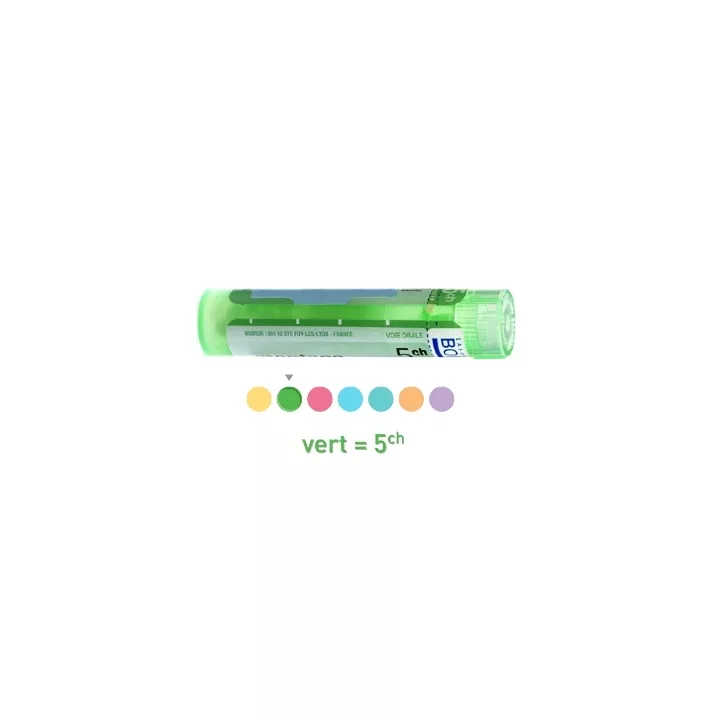
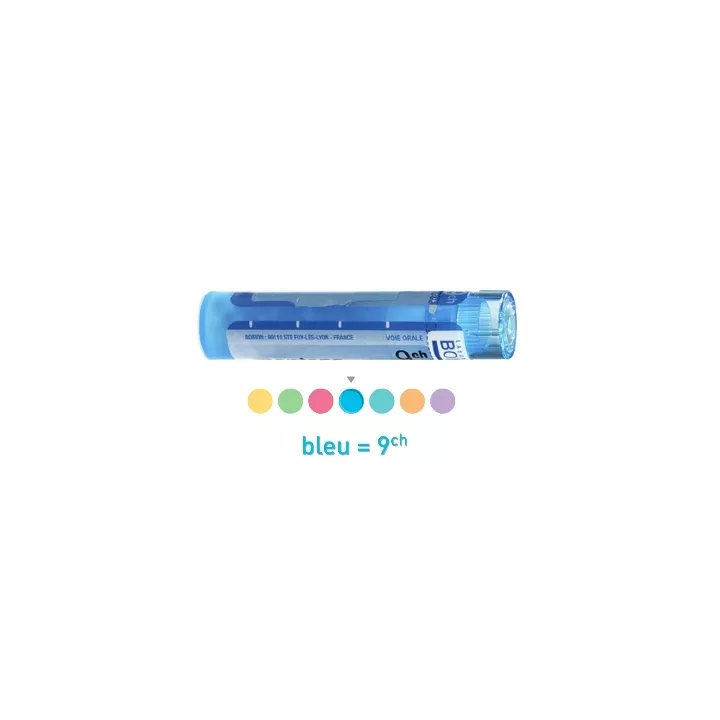
Doses and Tubes: Helianthus annuus is available in homeopathic granules, with doses at 15 CH and tubes in various dilutions, including 4 CH, 5 CH, 7 CH, and 9 CH. These options allow patients and practitioners to select the dilution that best suits specific symptoms and individual sensitivity.
Compounded Preparations: In addition to standardized forms, Helianthus annuus can be prepared in Hahnemannian dilutions starting at 3 CH. These custom preparations are tailored to meet each patient’s specific needs, offering a personalized approach to treatment.
Precautions for Use
Warning
Contains sucrose.
Administering Homeopathic Granules to Infants and Children
For granules or alcohol-based drops, dissolve them in 100 ml of water. Since the granules take a long time to dissolve, you should prepare your mixture in advance.
Homeopathy and Pregnancy
Homeopathic remedies have no chemical toxicity, no contraindications, no interactions with other medications, and no adverse effects related to the amount ingested. Pregnant women can use them without any known risk to themselves or their unborn child, but it is best to seek advice.
Frequency of Homeopathic Use
For acute conditions, it is recommended to take homeopathic remedies every hour until symptoms improve. Once symptoms improve, doses should be spaced out to 3 or 4 times a day, then gradually discontinued.
For chronic conditions, remedies in low dilutions (greater than 9CH) are taken 1 to 2 times a day, while constitutional remedies are taken once a week or even once a month. This decision is made by the homeopath.
What to Do If There Is No Improvement Within 24 Hours
Certain conditions cannot be treated with homeopathy through self-medication alone. Their severity requires medical advice, which can be provided by a homeopathic physician. This physician will determine whether your condition can be treated with homeopathy alone or whether your treatment needs to be supplemented with allopathic medicine.