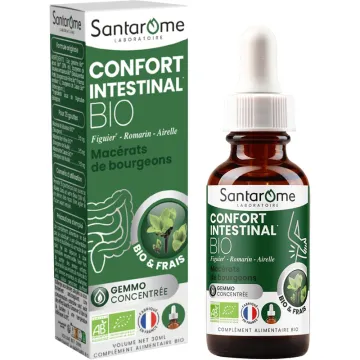

Intestinal inflammation encompasses a spectrum of conditions characterized by abnormal activation of the immune system in the intestinal mucosa. It can be acute (infectious gastroenteritis—which resolves on its own) or chronic—in which case it becomes a serious medical condition requiring specialized care. Supplements to support digestive comfort are available in the “Digestive Comfort ” and “Digestive Disorders ” sections of the store.
The most significant chronic forms are Chronic Inflammatory Bowel Diseases (IBD) —Crohn’s disease (transmural inflammation that can affect the entire digestive tract from the lips to the anus, in discontinuous segments) and ulcerative colitis (UC—inflammation limited to the colon and rectum, occurring continuously). These two autoimmune conditions require strict gastroenterological monitoring, specific drug treatments (aminosalicylates, immunosuppressants, anti-TNF biologics), and potentially surgical intervention. This should be distinguished from irritable bowel syndrome (IBS) —a functional digestive disorder without inflammation detectable by biopsy, which is very common but benign and best managed through nutritional and behavioral approaches. Any rectal bleeding, unexplained weight loss, nighttime pain, or symptoms persisting for more than 4 to 6 weeks require an immediate consultation with a gastroenterologist.
The gut microbiota —100,000 billion microorganisms inhabiting the digestive tract—is central to the pathophysiology of IBD. Studies show a reduction in bacterial diversity (dysbiosis) and a change in the composition of the microbiota in patients with Crohn’s disease or ulcerative colitis, with an increase in pro-inflammatory bacteria (Proteobacteria, Fusobacterium nucleatum) and a decrease in protective bacteria (Faecalibacterium prausnitzii—a producer of anti-inflammatory butyrate). Increased intestinal permeability (“leaky gut”) allows bacterial lipopolysaccharides to enter the bloodstream, perpetuating systemic inflammation. Probiotics (Lactobacillus, Bifidobacterium, Saccharomyces boulardii) and prebiotics (fermentable fiber) support the restoration of the microbiota and the intestinal barrier, with encouraging clinical data in UC in remission and in IBS—to be used as a supplement to medical treatment, never as a substitute during active flare-ups of IBD.
These approaches are intended to support digestive comfort and prevent flare-ups—they are never a substitute for medical treatment prescribed for a diagnosed IBD. In the event of an active flare-up, consult a gastroenterologist before making any dietary changes or starting supplementation.
Turmeric (standardized curcumin + piperine) is the most well-documented anti-inflammatory agent for the gut outside of medications: an inhibitor of NF-κB and the pro-inflammatory cytokines IL-6 and TNF-α—with several positive clinical trials in ulcerative colitis for maintaining remission. Omega-3 EPA-DHA (1 to 3 g/day) modulates the production of pro-inflammatory intestinal eicosanoids. Glutamine is the primary energy-providing amino acid for enterocytes (cells of the intestinal mucosa)—glutamine supplementation supports the repair of the intestinal barrier in cases of hyperpermeability. In terms of diet, reduce ultra-processed foods, emulsifiers (carrageenan, polysorbate 80—documented disruptors of the microbiome), refined sugars, and alcohol, while increasing soluble fiber (oats, legumes, psyllium), and fermented foods.