What is alcoholism, and how does it manifest itself?
Alcoholism —officially referred to as alcohol use disorder (AUD) in the DSM-5—is a chronic disease characterized by compulsive and uncontrolled alcohol consumption despite its harmful effects on health, relationships, and work life. It combines physical dependence (increased tolerance, withdrawal syndrome upon cessation) and psychological dependence (cravings, inability to resist). It is not a lack of willpower—it is a brain disorder that permanently alters the reward circuits (dopamine, mesolimbic system). Natural products to support withdrawal and addiction recovery are available in the store. Medical and psychological care remain essential.
- DSM-5 Diagnostic Criteria (Alcohol Use Disorder): a diagnosis is made if at least 2 of the 11 criteria are present over a 12-month period—consumption exceeding intentions, repeated failures to cut back, considerable time spent on alcohol, intense craving, neglect of obligations, continued use despite social consequences, reduction in important activities, use in dangerous situations, continued use despite health problems, tolerance, withdrawal syndrome
- Alcohol withdrawal syndrome: tremors, anxiety, sweating, tachycardia, nausea (6 to 24 hours after the last drink)—may progress within 48 to 72 hours to delirium tremens (confusion, hallucinations, seizures) — a potentially life-threatening medical emergency — all detoxification in a dependent individual must be medically supervised
- Causes and risk factors: genetic predisposition (heritability estimated at 40–60%) — psychological factors (stress, anxiety, depression —alcohol used as self-medication)—trauma (PTSD)—social pressure and cultural norms—early age of first use (before age 15 triples the risk)
- Early warning signs to recognize: increasing doses to achieve the same effect (tolerance) — drinking alone or in secret — blackouts (memory lapses) — frequent excuses for drinking — irritability and mood swings during withdrawal — progressive neglect of family and work responsibilities
What are the health consequences of alcoholism?
Alcohol is a multi-organ toxin—the consequences of chronic excessive consumption affect virtually all body systems. In the liver, the progression follows a classic course: steatosis (fatty liver—reversible) → alcoholic hepatitis (which can be severe) → cirrhosis (irreversible) → hepatocellular carcinoma. The risk of cirrhosis increases with the amount and duration of alcohol consumption, as well as with contributing factors (hepatitis viruses, obesity). Alcohol is classified as a Group 1 carcinogen by the IARC—it increases the risk of cancers of the mouth, esophagus, liver, colon, and breast.
- Cardiovascular consequences: alcoholic cardiomyopathy (weakened heart muscle), arrhythmias (atrial fibrillation—“holiday heart syndrome”), high blood pressure—consumption of more than 2 drinks per day leads to a linear increase in cardiovascular risk
- Neurological consequences: Wernicke-Korsakoff syndrome (vitamin B1/thiamine deficiency—medical emergency—IV thiamine injection)—peripheral polyneuropathies—cerebral atrophy—cognitive impairments that may progress to alcoholic dementia
- Psychiatric consequences: Alcoholism and mental disorders have a bidirectional relationship—depression, anxiety, and personality disorders may precede or result from alcoholism — 30 to 40% of people with alcohol dependence have a comorbid psychiatric disorder requiring specific treatment (dual diagnosis)
- Impact on family and friends: Alcoholism affects the entire family system — conflicts, domestic violence, parental neglect, codependency — children of alcoholic parents are 3 to 4 times more likely to develop a substance use disorder themselves — Al-Anon and Alateen groups offer specific support to family members
What treatments and support are available for alcoholism?
The management of alcoholism is multidisciplinary and personalized. Detoxification (medically supervised withdrawal) is the first step—it should never be attempted alone in cases of established physical dependence (risk of delirium tremens). It is medically managed with benzodiazepines (to prevent seizures), thiamine (vitamin B1), and close clinical monitoring. Withdrawal is only the beginning—without long-term support, the relapse rate exceeds 80% within one year.
- Medications to aid in maintaining abstinence: naltrexone (reduces cravings and the reinforcing effects of alcohol) — acamprosate (reduces post-withdrawal glutamatergic hyperexcitability) — disulfiram (Antabuse—creates an aversive reaction to alcohol—must be used with strong motivation) — nalmefene (reduces consumption without requiring total abstinence) — all require a prescription
- Psychological therapies: cognitive-behavioral therapy (CBT — identifying risky situations and automatic thoughts) — motivational interviewing (strengthening motivation to change) — relapse prevention therapies — family therapy — EMDR if trauma is involved
- Support and guidance: Alcoholics Anonymous (AA—12-step program—sobriety network) — AACOQ — hospital support groups — support organizations (Croix Bleue, Vie Libre) — social workers to address work-related and housing issues — smoking, which is often associated with alcohol use and should be treated concurrently
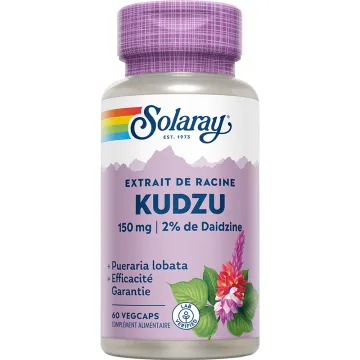
- Natural supplements for support (do not replace medical care): Vitamin B1 (thiamine—prevention of Wernicke’s syndrome)—magnesium (a common deficiency among people with alcohol dependence) — N-acetylcysteine (NAC — antioxidant support for the liver) — milk thistle (Silybum marianum — support for liver function)