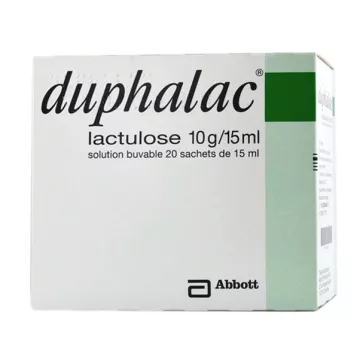
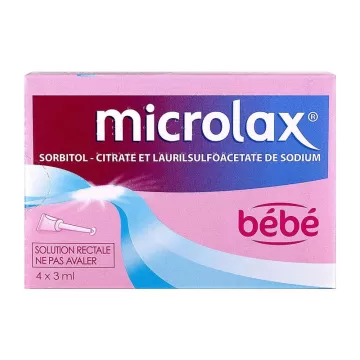
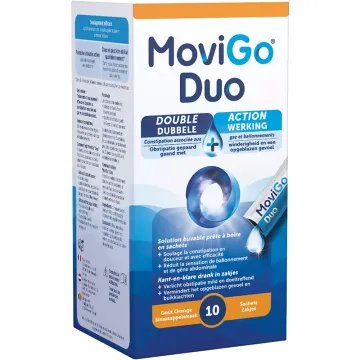
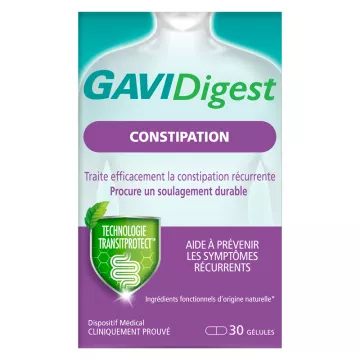
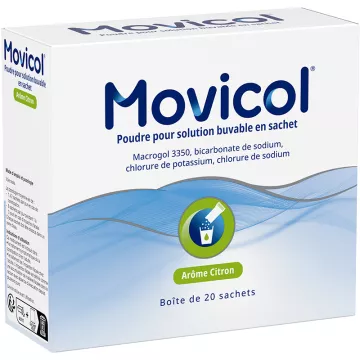
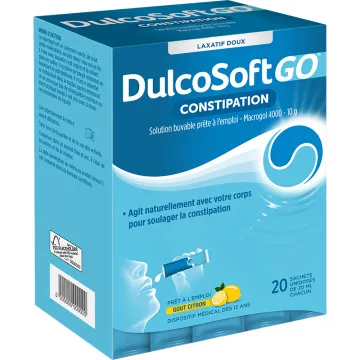
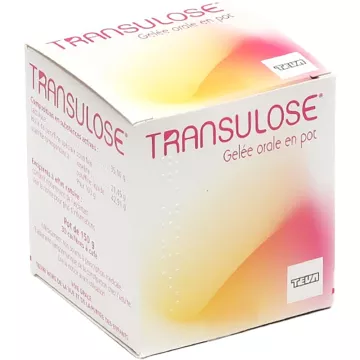
Occasional or chronic constipation? Discover oral laxatives, suppositories, and gentle solutions on Soin-et-Nature to stimulate bowel movements, soften stools, and relieve digestive discomfort. Order online and regain long-lasting intestinal comfort.
No medications will be shipped outside of France. Available for pickup only at the pharmacy in Perpignan (France).
More details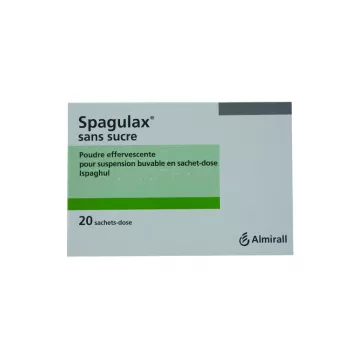


In Western countries, the number of people suffering from chronic constipation is estimated to be between 3% and 5% of the adult population. Occasional constipation is even more common.
People over 55 are five times more likely to suffer from constipation than younger adults.
Constipation is defined as difficulty passing stool. It often has several causes: lack of physical activity, a diet low in fiber, and insufficient hydration. It can also be linked to: a change in lifestyle or diet, psychological issues, stress, or quitting smoking. People over the age of 55 are five times more likely to suffer from constipation than younger adults.
Constipation is defined as having fewer than three bowel movements per week. However, this is not a hard-and-fast rule; some people have bowel movements only twice a week and feel perfectly fine. That is why we only consider it constipation if it causes an unpleasant feeling of heaviness, stomach cramps, bloating, or pain during bowel movements.
In fact, during these episodes, stools are often hard, dry, and difficult to pass. Constipation sometimes causes the periodic passage of small amounts of watery mucus, known as “false diarrhea.” Water from the stool and intestinal secretions are expelled in liquid form instead of being absorbed by the colon. Ifhemorrhoids are present, hard stools can cause them to bleed. The presence of blood in the stool should be considered a warning sign.
Laxatives are designed to facilitate bowel movements and the passage of stool. They differ in how they work. Prolonged use of certain laxatives is not recommended.
They are primarily classified based on their mechanism of action:
(Source: https://www.ameli.fr/assure/sante/themes/constipation-adulte/que-faire-quand-consulter)
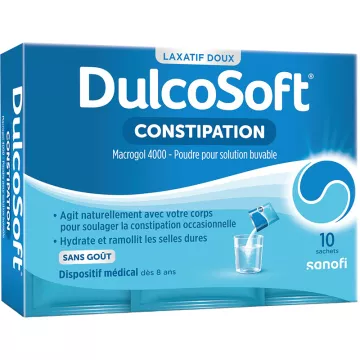
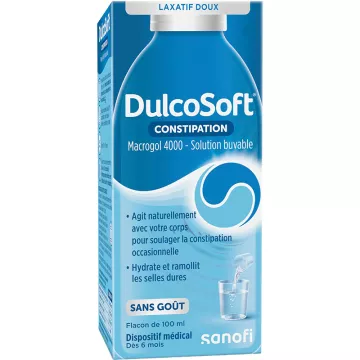
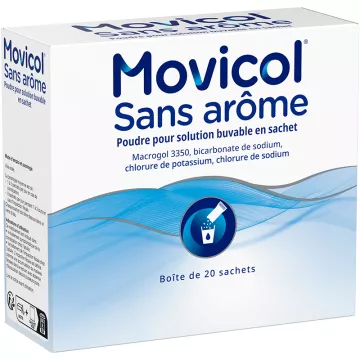
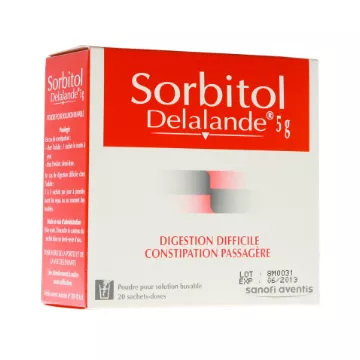
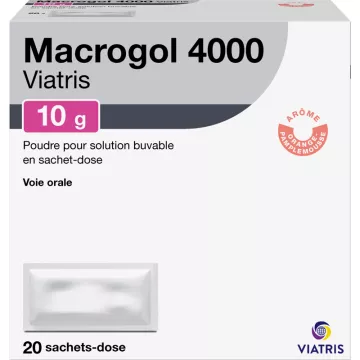
Osmotic laxatives (lactulose, lactilol, sorbitol, macrogol) soften stools by drawing water into the intestine. These substances act purely through physical mechanisms: they are not absorbed by the body and are excreted unchanged. These are the laxatives of choice, along with bulk-forming laxatives. Both types of laxatives have proven effective and are non-toxic. They can be used after lifestyle and dietary changes and/or in addition to them.
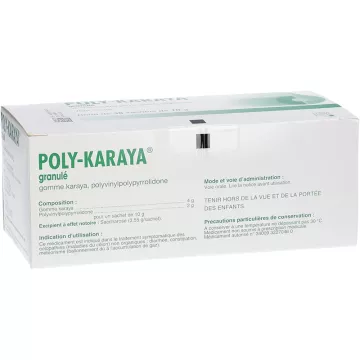
Bulking laxatives alter the consistency of stools. They contain mucilage or dietary fiber, which help produce larger, softer stools. Their effect usually begins 48 hours after taking the medication.
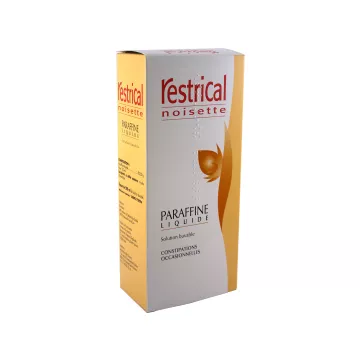
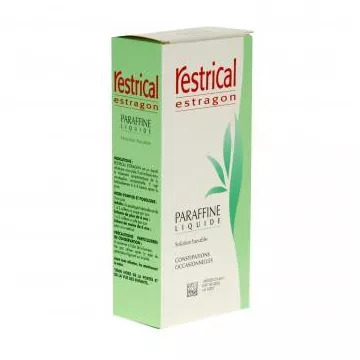
Lubricant laxatives work by facilitating the passage of stool using “oily” substances (liquid paraffin). Prolonged use may reduce the absorption of certain vitamins (A, D, E, K). Some laxatives combine liquid paraffin with a bulk-forming laxative, an osmotic laxative, or a stimulant laxative.
Stimulant laxatives increase intestinal motility. Treatment with stimulant laxatives should always be short-term (no more than 8 to 10 days), as prolonged use can lead to dependence and serious intestinal disorders. They are not recommended for pregnant women.
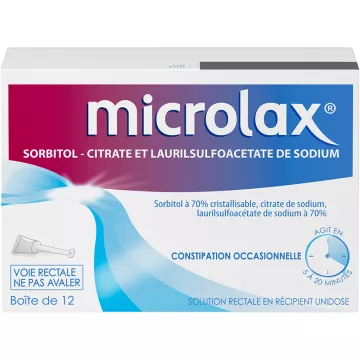
Rectal laxatives (also called contact laxatives) are recommended as a first-line treatment for constipation of rectal origin (or distal constipation, which manifests as a sensation of anal obstruction, incomplete evacuation, and the need to strain). These laxatives induce bowel movement by causing the rectum to contract. They should not be used for prolonged periods, as they may interfere with the normal rectal contraction reflex that facilitates bowel movement.
Rehabilitation by specialized physical therapists (perineal rehabilitation using biofeedback) may be recommended in cases of distal constipation. It aims to retrain rectal motility. The effectiveness of this rehabilitation depends on various factors, such as the patient’s motivation.
The combination of EDUCTYL suppositories with biofeedback is often recommended.
Botulinum toxin injections may also be recommended for rectal constipation, but the specific injection protocols have not yet been established.
In cases of prolapse, a surgical approach may be considered to improve constipation of rectal origin. Two common surgical options have proven effective: rectopexy (a procedure that secures the rectum to prevent it from descending) and the STARR procedure (removal of a portion of the wall of the lower rectum).
(Source: https://www.vidal.fr/maladies/estomac-intestins/constipation-adulte/traitements.html)
Discover our range of medications to improve digestion and relieve gastrointestinal disorders.
Order your digestive treatments on Soin-et-Nature and find a solution tailored to your digestive comfort.