How to Get White Teeth: The Available Options
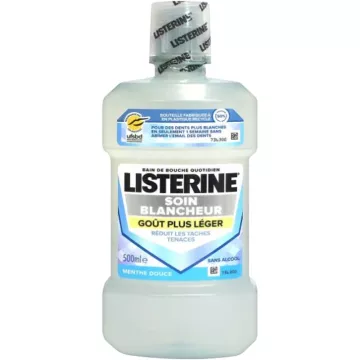
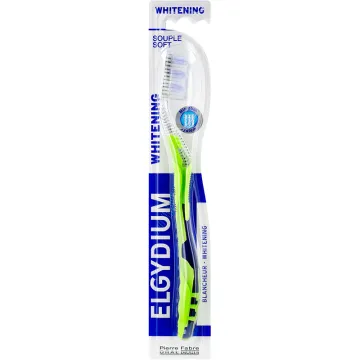
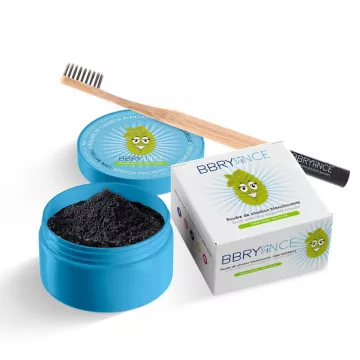
There are several ways to get white teeth, depending on the type of stains, your budget, and the desired results. Effective methods all rely on oxidizing agents (hydrogen peroxide or carbamide peroxide) that break down chromophore molecules in the enamel. Abrasives alone (whitening toothpastes, baking soda) only work on surface stains. The two complementary KEEP products— Radiant Smile —and the whitening products are available in the store. For details on the whitening mechanisms and contraindications,oral hygiene care rounds out the process.
- In-office teeth whitening: 25–40% hydrogen peroxide—visible results in 1 to 2 sessions—a resin dam protects the gums—an LED light accelerates the reaction but does not improve the final result — Long-lasting results (1 to 3 years) — Recommended for severe intrinsic stains and cases of tooth sensitivity (controlled protocol)
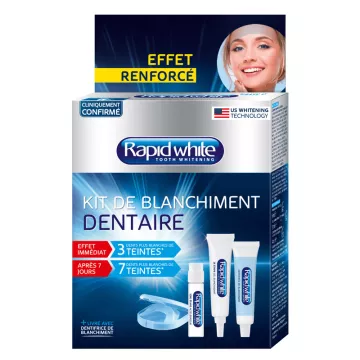
- Custom-made at-home trays: 10–22% carbamide peroxide — trays custom-made by the dentist from an impression — worn at night for 2 to 6 weeks — results comparable to in-office whitening — cost 2 to 5 times lower — sensitivity better managed by spacing out sessions
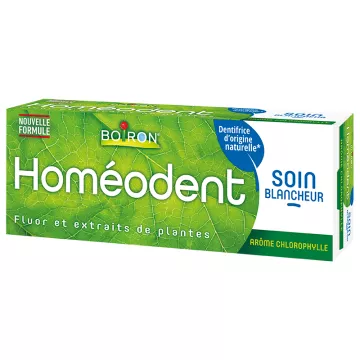
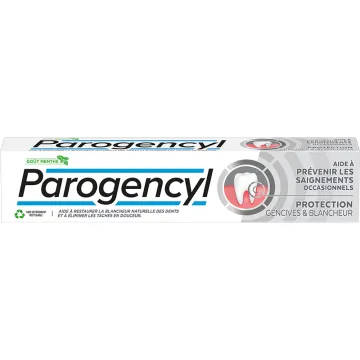
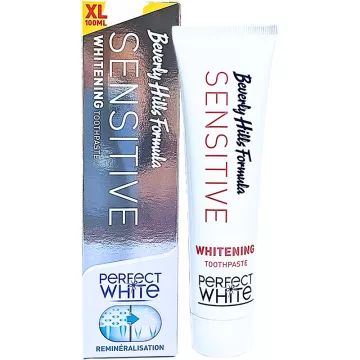
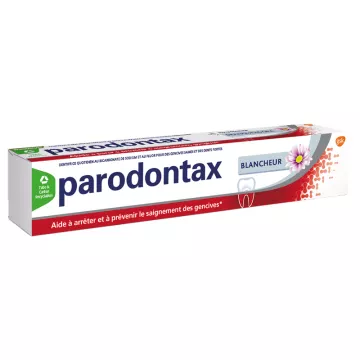
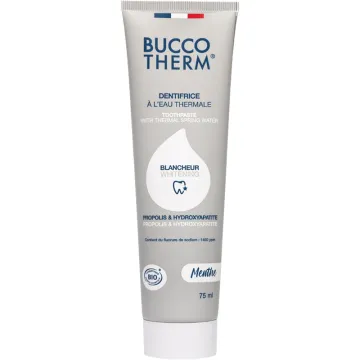
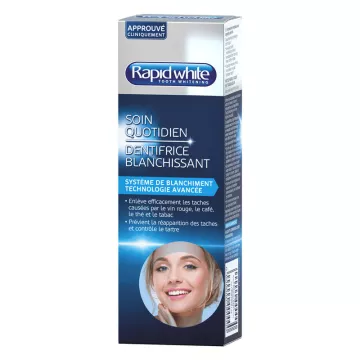
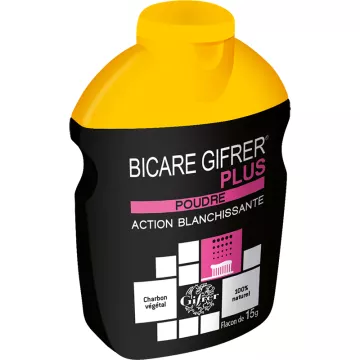
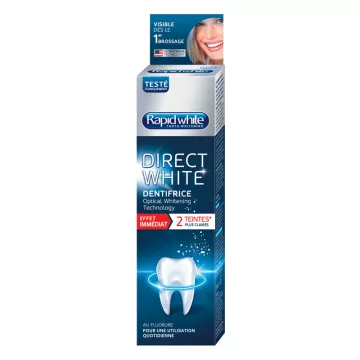
- Whitening toothpastes: abrasive agents (RDA 50–100) + sometimes mild oxidizing agents — remove extrinsic stains (coffee, tea) — do not lighten intrinsic tooth color — use in moderation (RDA > 100 on weakened enamel not recommended) — effective for post-whitening maintenance
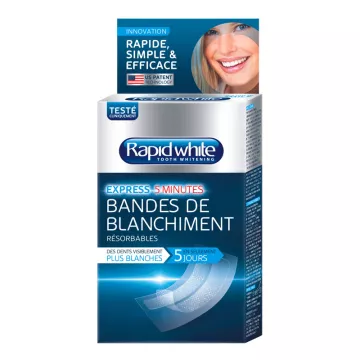
- Whitening strips: 3–6% H₂O₂ — 30 minutes a day for 2 weeks — modest results — less precise than custom trays (uneven contact on curved areas) — readily available and over-the-counter
How do you prepare your teeth for successful whitening?
Preparation is often overlooked but determines the outcome and comfort of the whitening process. A professional dental cleaning beforehand is essential: tartar blocks contact between the whitening agent and the enamel—whitening over tartar results in uneven results. All active cavities and gum problems must be treated before starting—an untreated cavity allows peroxide to penetrate directly into the pulp (causing severe pain).
- Preventive desensitization: Use a toothpaste containing 5% potassium nitrate for 2 weeks before treatment—this significantly reduces post-whitening sensitivity—continue for 2 weeks afterward—potassium nitrate depolarizes the dentin nerve fibers
- 48 hours before whitening: avoid staining foods (coffee, tea, red wine, berries, sauces)—the pores in the enamel are temporarily more open immediately after whitening—the “window of vulnerability” lasts 48 to 72 hours
- What does not whiten: crowns, bridges, porcelain or composite veneers, dental fillings — their color is fixed — whitening creates a visible mismatch between the whiter natural teeth and the unchanged restorations — inform your dentist before any treatment
- Pre-existing conditions that contraindicate treatment: pregnancy and breastfeeding—active gingivitis or periodontitis—baby teeth—severe uncontrolled tooth sensitivity—significant gum recession (exposed roots without enamel)
How can you keep your teeth white long-term?
The results of teeth whitening last from 6 months to 2 years, depending on your habits. The main causes of discoloration: daily coffee and tea (tannins), red wine, tobacco, and unremoved stained plaque. Discoloration is inevitable—regular maintenance prolongs the results far more than a single intensive session.
- Post-whitening care: brush twice a day with a mild whitening toothpaste (RDA 50–80) — avoid coffee, red wine, and highly pigmented foods for 48 hours after treatment — drink staining beverages through a straw — rinse your mouth with water immediately after drinking coffee or tea
- Periodic touch-ups: One maintenance session per year using custom trays (worn for 2 to 5 nights) is often sufficient to maintain the results—less expensive and less aggressive than a full treatment
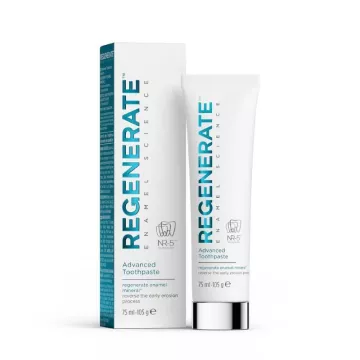
- For sensitive gums: choose low-concentration protocols (10% carbamide) — space out sessions — use fluoride gel in the trays after whitening to remineralize the enamel and reduce sensitivity — see also “Strengthening Tooth Enamel”
- Diet to protect tooth brightness: hard cheeses (remineralizing calcium and phosphorus + alkalizing pH) — mineral water — fibrous raw vegetables (gentle mechanical abrasion and saliva stimulation) — reduce the frequency of acidic and sugary snacks between meals