What is vitamin B1, and why do we need it every day?
Vitamin B1 (thiamine) is a water-soluble vitamin essential for the metabolism of carbohydrates, fats, and amino acids. Originally identified as the first nutritional factor in the prevention of beriberi, it is now recognized as a fundamental nutrient for cellular energy, nervous system health, and heart health. Like all water-soluble B vitamins, it is not stored in large quantities in the body—reserves last only about 18 days—hence the need for a regular daily dietary intake. For information on the biochemical mechanisms of thiamine (coenzyme TPP, Wernicke’s syndrome), visit our thiamine page. Explore our B-vitamin formulas , our anti-fatigue supplements, and our energy and vitality products.
- Key biological roles: cofactor of the pyruvate dehydrogenase complex → conversion of carbohydrates into energy (ATP) — support for nerve transmission (nerve impulses + myelination) — involvement in the metabolism of branched-chain amino acids (BCAAs) — cofactor for transketolase (pentose phosphate pathway — DNA/RNA biosynthesis and antioxidant defense) — maintenance of cardiac function
- Recommended Daily Intake (RDI) and requirements by situation: French RDI (ANSES) — adult men: 1.2 mg/day — adult women: 1.1 mg/day — pregnant and breastfeeding women: 1.4–1.5 mg/day — children ages 7–12: 0.9–1 mg/day — adolescents: 1.1–1.2 mg/day — athletes and individuals with high physical activity levels: increased requirements (carbohydrate metabolism is thiamine-dependent—the more carbohydrates consumed, the greater the requirement)
- A distinctive feature of high-sugar diets: a diet rich in refined sugars and carbohydrates directly increases the need for vitamin B1 (since glucose metabolism is thiamine-dependent)—without a proportional increase in B1 intake, a functional deficiency may gradually develop
- Dietary bioavailability: Vitamin B1 in legumes is less bioavailable (due to the presence of inhibitors) than that in brewer’s yeast or animal products—prolonged cooking in water (boiling) destroys 25–50% of dietary thiamine → opt for short cooking times, steaming or braising
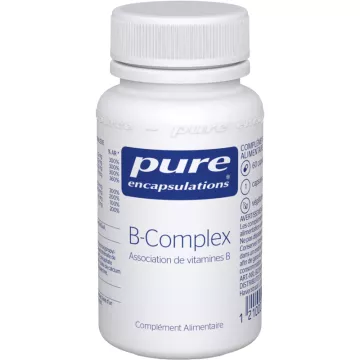
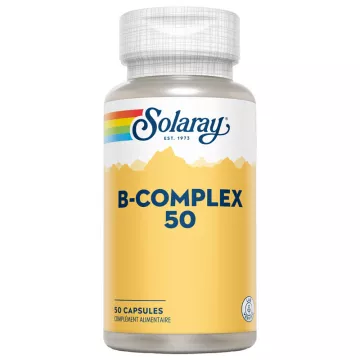
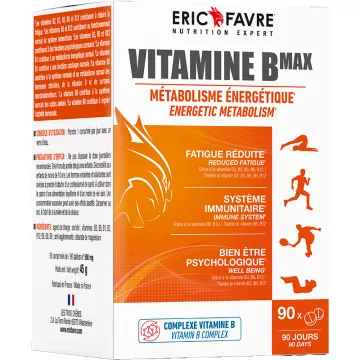
- Synergistic B vitamins: Vitamin B1 works in conjunction with the other B vitamins—a B-complex (B1 + B2 + B3 + B5 + B6 + B9 + B12) is often preferable to B1 alone— magnesium is the cofactor for the kinases that phosphorylate thiamine into active TPP → combining it optimizes activity
Dietary sources of vitamin B1 and how to meet your needs
- Richest sources: brewer’s yeast (5–10 mg/100 g—the most concentrated and bioavailable source)—wheat germ (2 mg/100 g)—pork (0.8–1 mg/100 g—the richest animal source) — beef liver (0.3 mg/100 g) — sunflower seeds (1.5 mg/100 g) — sesame seeds (0.9 mg/100 g) — Brazil nuts (0.6 mg/100 g)
- Whole grains and legumes: brown rice (0.4 mg/100 g) — oats (0.6 mg/100 g) — quinoa (0.2 mg/100 g) — cooked lentils (0.2 mg/100 g) — cooked chickpeas (0.1 mg/100 g) — cooked red beans (0.1 mg/100 g) — refining grains destroys 75–80% of the thiamin (the bran and germ are removed) → always choose whole grains
- Fish and seafood: canned tuna (0.2–0.3 mg/100 g) — salmon (0.2 mg/100 g) — mussels and clams (0.1–0.2 mg/100 g) — raw freshwater fish (carp, herring) contain thiaminases that destroy dietary thiamine → always cook these fish
- Vegetables and fruits: cooked asparagus (0.15 mg/100 g) — peas (0.25 mg/100 g) — cooked potatoes (0.12 mg/100 g) — modest sources, but they contribute to the overall intake in a varied and balanced diet
- Practical tip for meeting your needs: A balanced diet that includes whole grains, legumes, and a high-quality protein source every day is generally sufficient to meet the RDA — restrictive diets (vegan, low-carb, liquid diets) increase the risk of deficiency
Vitamin B1 Deficiency: Signs, Causes, and At-Risk Populations
- Signs of subclinical deficiency (common, often overlooked): persistent fatigue with no identified cause — lack of energy and vitality during the day — difficulty concentrating and short-term memory problems — irritability and mood swings — sleep disturbances — loss of appetite — mild digestive issues (nausea, constipation) — tingling or numbness in the extremities (an early sign of neuropathy)
- Confirmed deficiency — beriberi: dry beriberi (neurological) — symmetrical peripheral neuropathy (tingling, paresis, pain) + muscle weakness in the lower limbs — wet beriberi (cardiac) — high-output heart failure + edema + cardiomegaly — medical emergency in alcoholics (risk of Wernicke-Korsakoff syndrome) — see our thiamine page for these conditions
- Most common causes in France: chronic alcoholism (leading cause—inhibits absorption and increases requirements) — very poor diet (diet consisting of ultra-processed foods and white grains) — bariatric surgery (postoperative malabsorption) — anorexia nervosa — hyperemesis gravidarum (severe vomiting during pregnancy) — chronic dialysis (urinary losses)
- Older adults: intestinal absorption of thiamine decreases with age — diet is often nutrient-deficient — frequent use of medications that reduce absorption (diuretics, contraceptives, antacids) — high risk of subclinical deficiency → impact on cognitive function and vitality
- Pregnancy and breastfeeding: requirements increase by 25–35% to support fetal growth and lactation — first-trimester vomiting compromises dietary intake — prenatal vitamins routinely include thiamine → verify that the formula contains ≥ 1.4 mg/day
Supplementation, B-complex vitamins, and mental health
- When to supplement with vitamin B1: persistent fatigue with no identified medical cause — restrictive or unbalanced diet — intense exercise (> 10 hours/week) — pregnancy and breastfeeding — older adults — alcoholism (routine supplementation recommended — HAS) — post-bariatric surgery — individuals taking medications that reduce absorption (furosemide, oral contraceptives)
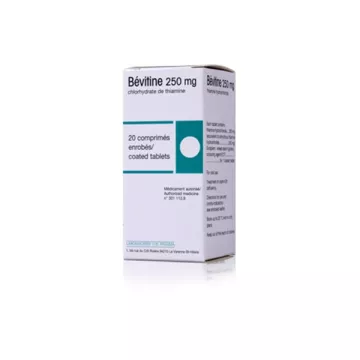
- Available forms: thiamine hydrochloride (standard form—less expensive, well-tolerated)—thiamine mononitrate (more stable, used in the food industry—fortification) — benfotiamine (fat-soluble form — better tissue bioavailability — see the thiamine page for specific indications) — multi-strain B-complexes (synergistic B1 + B2 + B3 + B5 + B6 + B9 + B12)
- Vitamin B1 and mental health: Studies have shown that thiamine supplementation improves mood, mental clarity, and responsiveness in people with mild deficiency — the effect on migraines is well-documented (reduced frequency with 400 mg/day of riboflavin/B2 combined with B1) — diabetic neuropathy: benfotiamine (150–600 mg/day) improves neuropathic symptoms — check out our fatigue and herbal medicine formulas
- Synergy with magnesium: magnesium is the cofactor for the kinases that activate thiamine into TPP—a magnesium deficiency can functionally “inactivate” thiamine even if body stores are normal—the combination of magnesium and B-complex is particularly recommended for fatigue, stress, and cognitive performance
- Safety: Oral vitamin B1 is among the safest vitamins—no cases of toxicity have been reported at typical dietary or nutritional doses—excess is excreted in the urine—allergic reactions are very rare (primarily with high-dose injectable forms)—visit our vitamins page