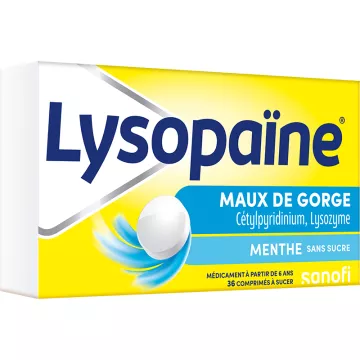
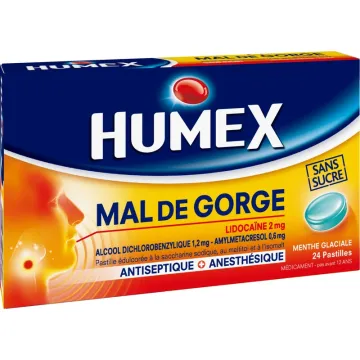
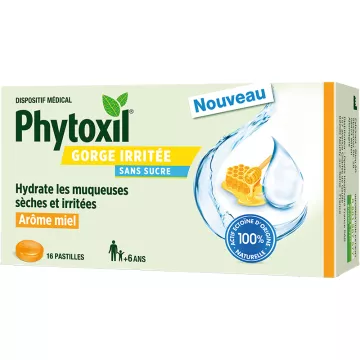
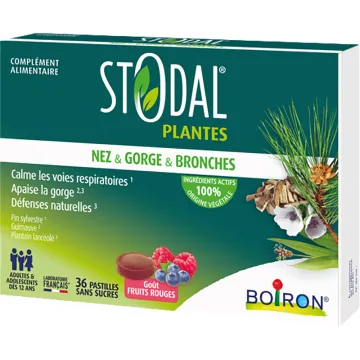
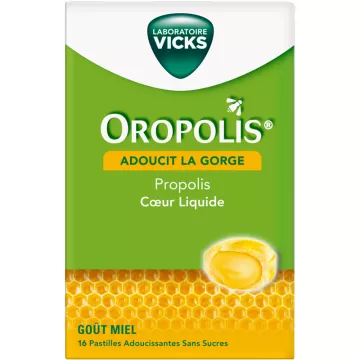
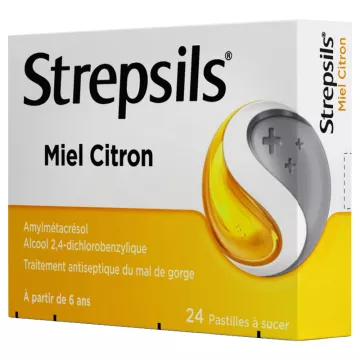
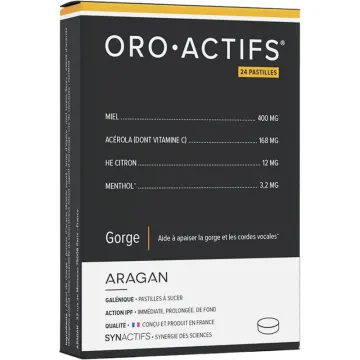
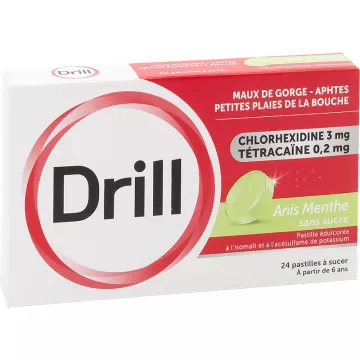
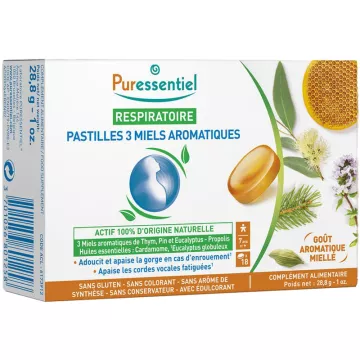
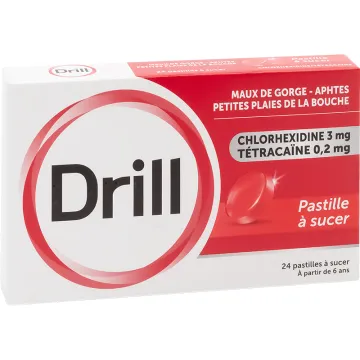
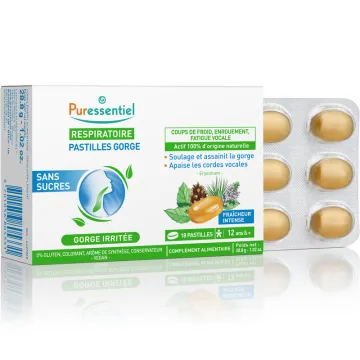
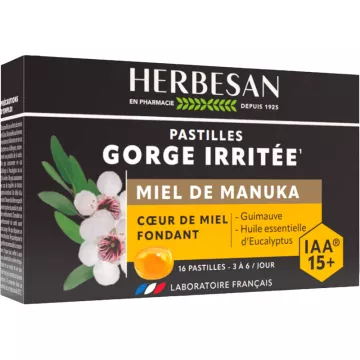
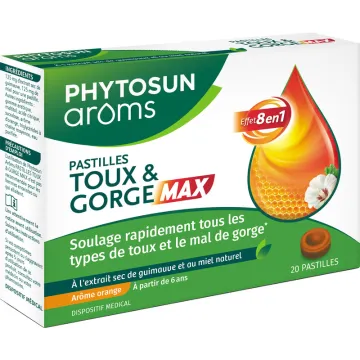
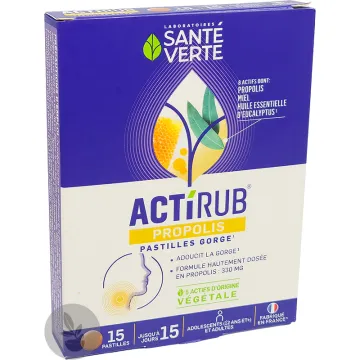
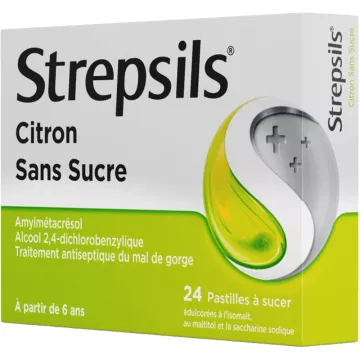
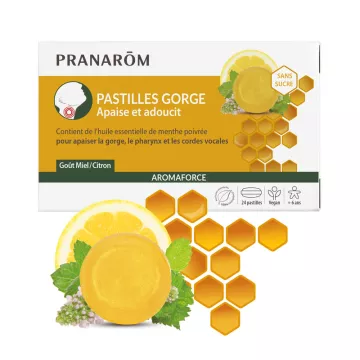
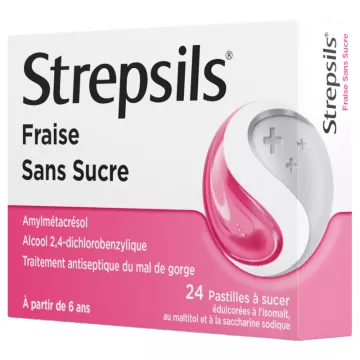
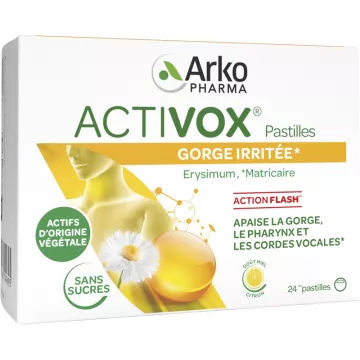
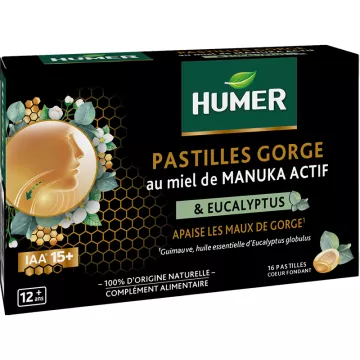
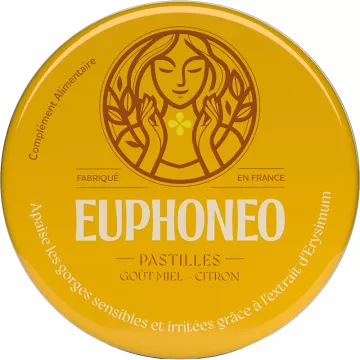
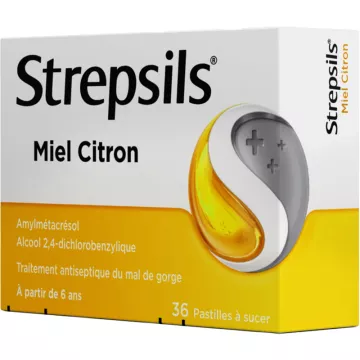
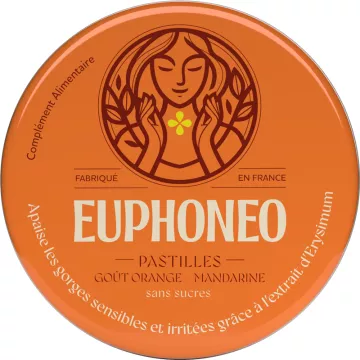
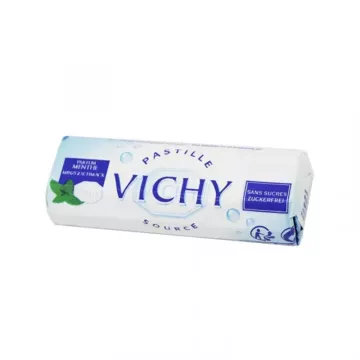
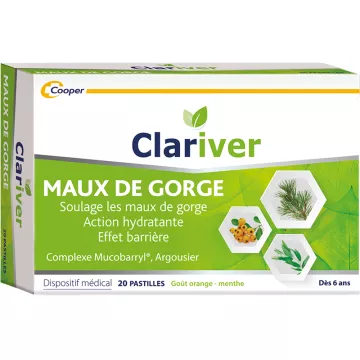
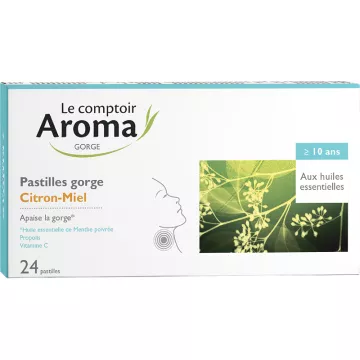
Throat lozenges work through direct and prolonged contact with the mucous membranes of the throat—as they slowly dissolve, they gradually release the active ingredients at the site of action. There are three main categories based on their mechanism of action. Antiseptic lozenges (chlorhexidine, hexylresorcinol, lysozyme) destroy the bacteria and certain viruses responsible for sore throats. Herbal and honey-based lozenges (propolis, thyme, eucalyptus, honey) have a soothing, anti-inflammatory, and mildly antimicrobial effect on the mucous membranes. Menthol/eucalyptus lozenges create a sensation of freshness and numbness by activating TRPM8 receptors—they provide rapid relief without a direct antiseptic effect. No lozenge can replace a course of antibiotics prescribed for a confirmed bacterial strep throat.
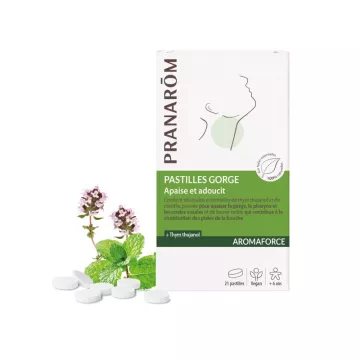
The effectiveness of lozenges depends on the cause of the sore throat. For sore throats caused by environmental factors (dry air, tobacco, straining the voice) or mild viral infections, soothing herbal lozenges (propolis, honey, thyme, sage extract) are generally sufficient and better tolerated over the long term. Propolis (a plant resin produced by bees, rich in flavonoids and phenolic acids) is the most well-documented natural active ingredient for mild ENT infections—it exerts an antimicrobial, anti-inflammatory, and healing effects on the pharyngeal mucosa. For sore throats with signs of bacterial infection, antiseptic lozenges containing chlorhexidine or lysozyme are a useful adjunctive treatment while waiting for a medical consultation.
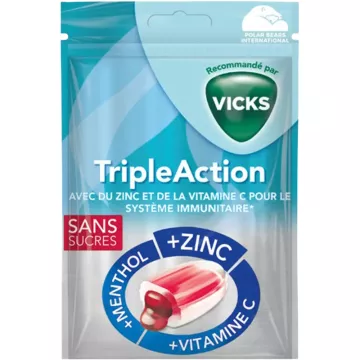
Menthol activates the TRPM8 receptors in sensory nerve fibers, creating a sensation of cold and numbness that quickly reduces throat pain. This effect is purely sensory (no proven antiseptic or anti-inflammatory effect) but provides immediate and genuine relief from discomfort. Eucalyptus (cineole/eucalyptol) has a mild expectorant effect and clears congestion in the upper respiratory tract—which is helpful when a sore throat is accompanied by a stuffy nose. Triple Action lozenges, which combine menthol, eucalyptus, and honey, provide sensory relief, decongestion, and soothing of the mucous membranes all in a single formulation.
Sugar-free lozenges (sweetened with sorbitol, xylitol, acesulfame K, or sucralose) are recommended for several groups:
Viral pharyngitis (80–90% of cases) resolves on its own within 5 to 7 days—soothing lozenges are an appropriate symptomatic treatment to reduce discomfort. Group A streptococcal pharyngitis (10–20% of cases) requires antibiotic treatment prescribed by a doctor. Signs requiring prompt medical attention include: persistent fever > 38.5°C, severe pain when swallowing, red tonsils with a white coating or pus, and tender neck lymph nodes. In these situations, throat lozenges may be used while waiting for a doctor’s appointment, but a rapid diagnostic test (RDT) is recommended to distinguish between viral and bacterial strep throat.
Lozenges are not the only option for relieving a sore throat. Throat sprays (propolis, chlorhexidine, essential oils) allow for direct application to the tonsils and throat walls—they often work faster than lozenges because they are not diluted by saliva. Gargles (warm salt water, baking soda, diluted propolis) reduce local inflammation and remove cellular debris from the tonsillar crypts. Soothing herbal teas (honey + lemon + thyme) work both internally and through local warmth. Honey and herbal candies (without pharmaceutical active ingredients) serve as a middle ground between medicated lozenges and herbal teas. Steam inhalation (hot water with eucalyptus or ravintsara essential oil) decongests and moisturizes irritated pharyngeal mucous membranes, which is particularly helpful at night.