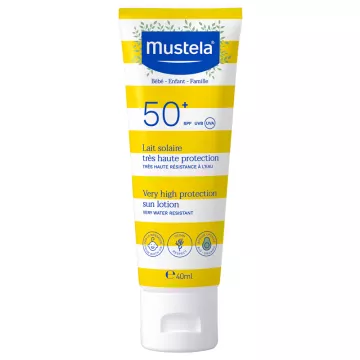
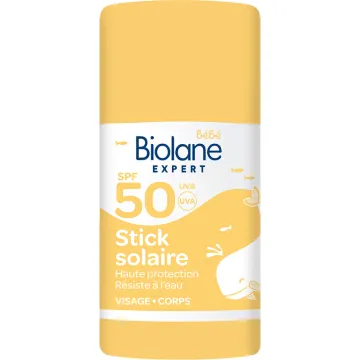
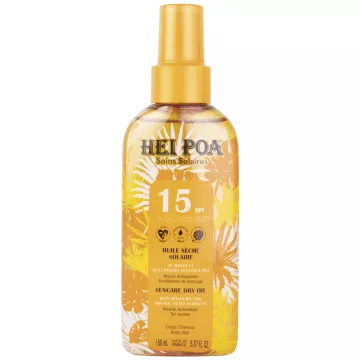
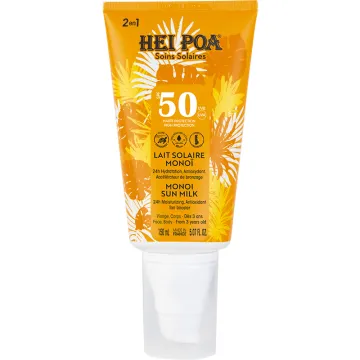
Sun protection is the number one priority for summer health. Ultraviolet rays (UVB and UVA) cause sunburn, premature skin aging, and, in the long term, an increased risk of melanoma. A high sun protection factor (SPF 50+) is essential for children, fair-skinned individuals (phototypes I–II), and when spending time at high altitudes or near water (water amplifies UV radiation by 80–85%). Apply generously (2 mg/cm²) and reapply every two hours and after each swim, even with a water-resistant product.
Sunburn is a superficial thermal and photochemical burn. First steps: immediately move into the shade, apply cool (not ice-cold) water for 10–15 minutes, then apply pure aloe vera gel or a panthenol cream (provitamin B5). An after-sun treatment containing aloe vera, panthenol, or bisabolol soothes inflammation and restores the hydrolipidic film. In cases of extensive sunburn accompanied by fever or severe blistering, medical attention is necessary.
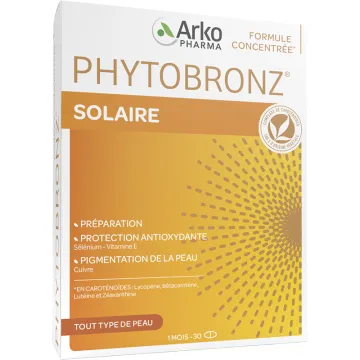
Tanning results from the production of melanin in response to UVB rays—a process that takes 48 to 72 hours to kick in after exposure. Tanning preparation capsules (carotenoids: beta-carotene, lycopene, lutein), taken 4 to 6 weeks before sun exposure, are oral tanning enhancers that deepen your natural tan and boost resistance to photo-induced free radicals. Self-tanning capsules (DHA + carotenoids) color the skin without UV exposure by reacting with the amino acids in keratin—results appear in 3 to 5 days and last 7 to 10 days.
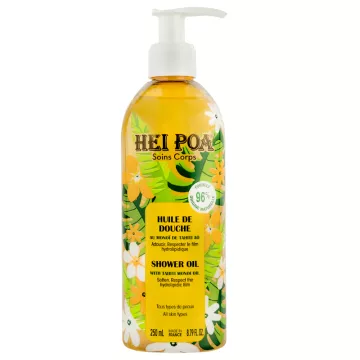
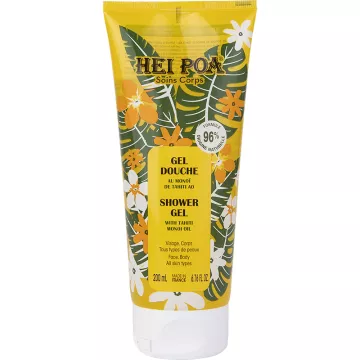
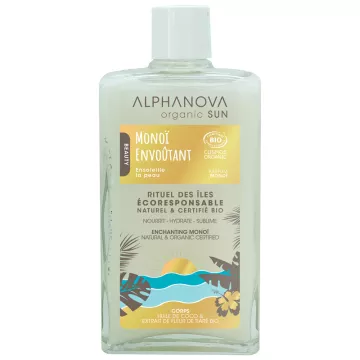
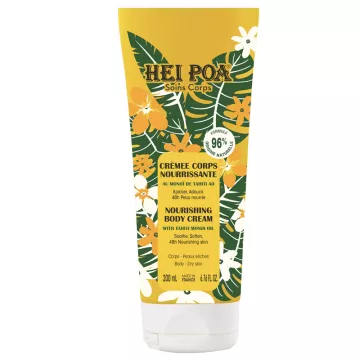
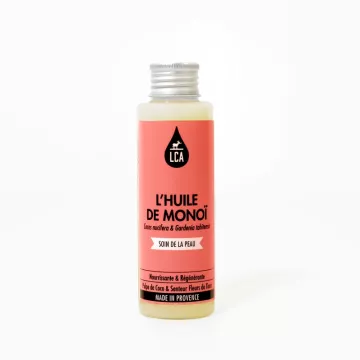
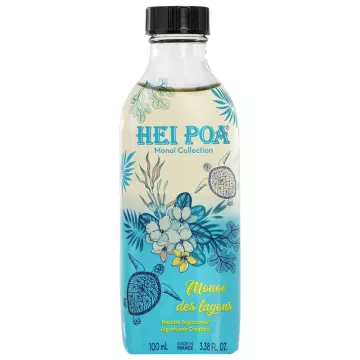
Tahitian monoi (coconut oil infused with tiare flowers, a Polynesian protected designation of origin) is rich in lauric acid (50%) and myristic acid (20%). When applied as an after-sun treatment to damp skin, it restores the hydrolipidic film damaged by the sun, swimming, and sea salt; nourishes the skin; and prolongs the tan by deeply hydrating the stratum corneum. Its SPF is less than 5—it does not replace sunscreen during active sun exposure.
Repellents containing DEET (20–30%), icaridin (20%), or IR3535 are the most well-documented for protection against disease-carrying mosquitoes—their duration of effectiveness varies depending on concentration and ambient temperature. Natural mosquito repellents (essential oils of citronella, lemon eucalyptus, and bourbon geranium) offer shorter-lasting protection (1–2 hours) but without the toxicological concerns associated with synthetic compounds—they should be reapplied frequently and are preferred for children under 12.
Dehydration is the most common and most underestimated risk: a loss of 1–2% of body weight in water reduces physical and cognitive performance by 10–20%. Drink 2 to 2.5 L of water per day, and up to 4–5 L during intense physical activity. Summer foodborne illnesses (Salmonella, Staphylococcus aureus) are more likely to occur when the cold chain is broken—never leave cooked food at room temperature for more than 2 hours. Swimmer’s ear (Pseudomonas aeruginosa) can be prevented by thoroughly drying your ears after every swim. For a tan without sun exposure, oral self-tanners are an option to start taking 3 weeks before your vacation.