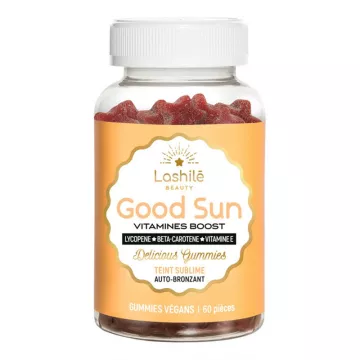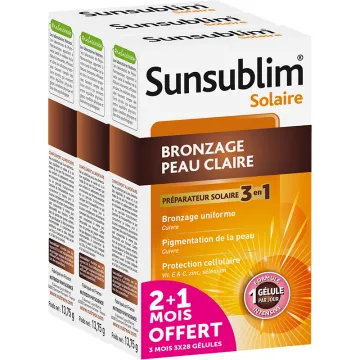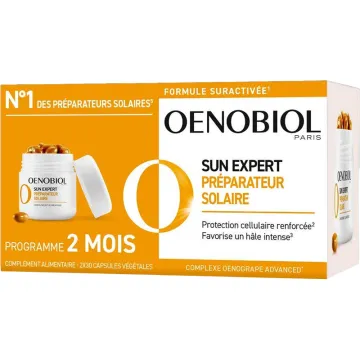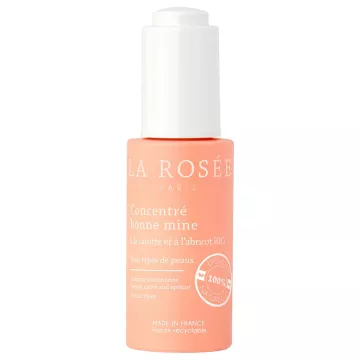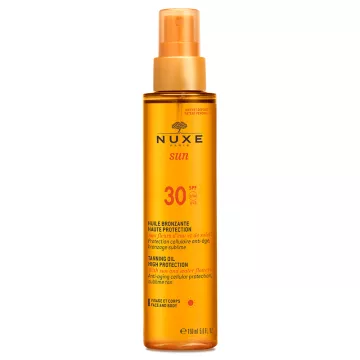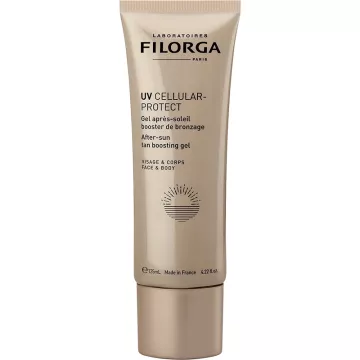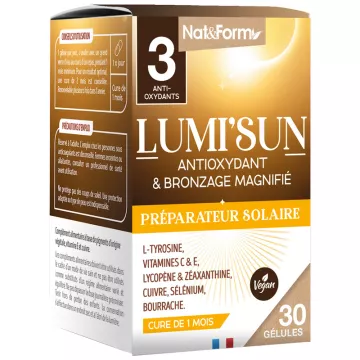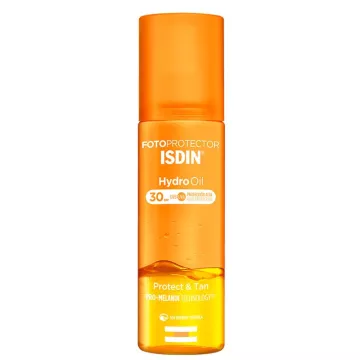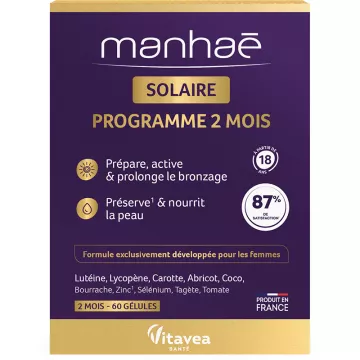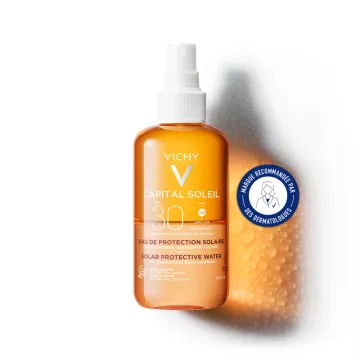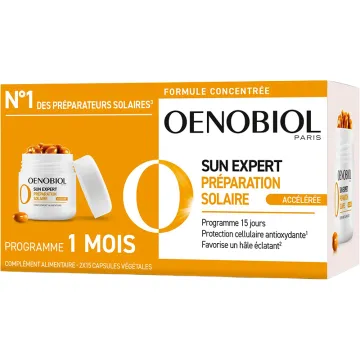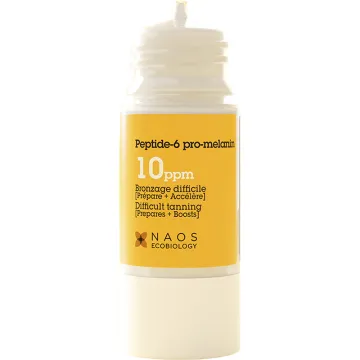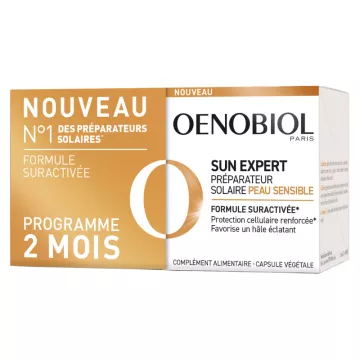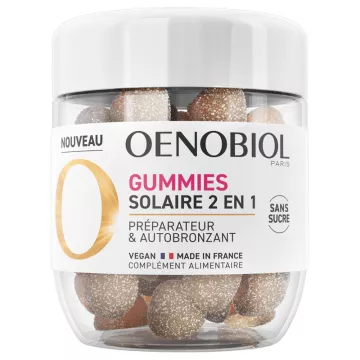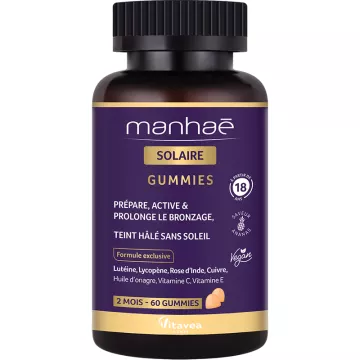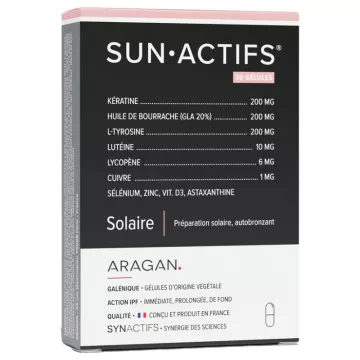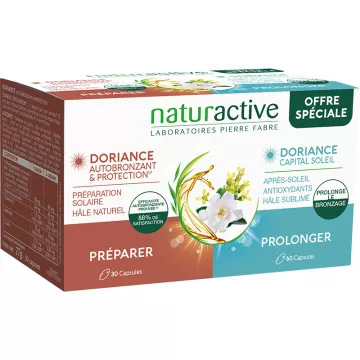
A tanning activator is a cosmetic product designed to stimulate the natural production of melanin, the pigment that gives the skin its color when exposed to the sun.
It works by stimulating melanocytes—the cells responsible for pigmentation—to accelerate and even out the tan.
These formulas are typically enriched with moisturizing and nourishing agents that protect the skin from dryness caused by sun exposure.
Note: A tanning activator is never a substitute for sunscreen and does not exempt you from following basic rules for safe sun exposure.
The choice of a tanning activator depends directly on your skin type and phototype.
Those with fair or sensitive skin should opt for gentler formulas, ideally enriched with built-in UV protection to minimize risks.
Check for antioxidants like vitamin E, which neutralize free radicals produced by sun exposure.
Aloe vera, shea butter, and certain nourishing plant oils are useful additions to the formula to help maintain skin hydration.
For optimal application of your tanning booster, first exfoliate your skin to remove dead skin cells and promote even absorption.
Then apply the product all over your body in a thin, even layer before sun exposure.
Reapply after each swim or if you sweat heavily to maintain its effectiveness over time.
After sun exposure, moisturize your skin generously to prolong the radiance of your tan and soothe any skin tightness.
It is possible to use a tanning booster on the face, provided you choose a formula specifically designed for this sensitive area.
Opt for non-comedogenic products that won’t clog pores or aggravate existing skin imperfections.
Always check for built-in sun protection; if it’s not included, be sure to follow up with a facial sunscreen suited to your skin type.
Apply your tanning activator about 30 minutes before sun exposure so that it can properly penetrate the skin.
This allows the product to act on the melanocytes and begin stimulating melanin production before UV exposure.
Applying it too late would significantly reduce its effectiveness, especially for skin types that tan with difficulty.
Most tanning activators do not contain sufficient UV protection to prevent skin damage.
Always apply sunscreen with an SPF appropriate for your skin type that protects against both UVA and UVB rays.
Unprotected exposure to UV rays significantly increases the risk of sunburn, premature aging, and skin cancer in the long term (WHO and INCa consensus).
For very fair skin or intense sun exposure, opt for high SPF 50 protection.
When used correctly, a tanning activator poses no particular risk to the skin.
The real danger does not come from the product itself, but fromthe excessive sun exposure it may indirectly encourage.
Follow the basic rules: avoid the hottest hours of the day (noon to 4 p.m.), reapply sunscreen every two hours, and limit your sun exposure time based on your skin type.
Watch for any changes in your skin (a new mole, a lesion that won’t heal) and consult a dermatologist if in doubt.
Most tanning enhancers are formulated for a wide variety of skin types.
However, those with very fair or sensitive skin should exercise caution due to an increased risk of allergic reactions or skinirritation.
Always perform a patch test on a small area (inside the elbow) 48 hours before your first full application.
Opt for hypoallergenic and dermatologically tested formulas, especially for children and teenagers.
Tanning activators remain effective on already tanned or naturally dark skin.
They helpintensify and prolong your existingtan, and maintain a radiant complexion between sun exposures.
Sunscreen remains essential even on tanned skin: melanin offers only partial protection, equivalent to approximately SPF 3–4 according to dermatological studies.
The duration of a tanning activator’s effectiveness varies depending on several individual and environmental factors.
Skin type, the intensity and frequency of sun exposure, and how regularly the product is applied all directly influence how long the tan lasts.
On average, the effect lasts from a few days to about a week after sun exposure.
A daily moisturizing routine and regular use of an after-sun treatment visibly prolong the duration of the tan.
A tanning activator generally integrates well into a comprehensive skincare routine.
However, check ingredient compatibility to avoid skin reactions caused by inappropriate combinations.
Avoid using chemical exfoliants (AHAs, BHAs), retinoids, or photosensitizing active ingredients at the same time, as they significantly increase the skin’s sensitivity to the sun.
If you have any doubts about combining products, ask your pharmacist for advice.
For users looking fornatural alternatives, there are activators formulated with plant-based ingredients.
Carrot oil (rich in beta-carotene), coconut oil, aloe vera, and shea butter are among the most commonly used active ingredients.
Certain sunscreen supplements containing beta-carotene, selenium, or vitamin E also help prepare the skin for the sun from the inside out.
These natural approaches in no way replace the need to apply appropriate sunscreen.
A tanning activator can be used beyond the summer months to maintain a radiant complexion all year round.
In winter, it visibly revitalizes dull skin and provides a natural, subtle “healthy glow.”
However, be sure to apply daily sunscreen to your face and exposed areas, even on cloudy days, as UVA rays penetrate clouds year-round.
Prolonged use of a tanning activator is generally safe when standard precautions are followed.
As with any cosmetic product, individual reactions may occur: redness, itching, a tingling sensation, or localized rashes.
Stop using the product immediately if a reaction occurs, and consult your pharmacist or a dermatologist if symptoms persist.
Rotating products and paying attention to ingredients helps limit the risk of cumulative sensitization.
Those with acne-prone or blemish-prone skin should choose their activator with particular care.
Look for the labels “non-comedogenic,” “oil-free,” and “dermatologically tested” on the packaging, as these reduce the risk of clogged pores.
Some antibacterial ingredients can paradoxically worseninflammation when exposed to the sun; consult a dermatologist before introducing any new product.
Maintaining a proper cleansing routine remains essential, especially during the summer when sweating can lead to breakouts.
Using a tan enhancer and a self-tanner together is generally possible and can even be complementary.
The activator prepares the skin and improvesthe evenness of the self-tanner, particularly on drier areas such as the elbows, knees, and ankles.
First apply the self-tanner and wait for it to be fully absorbed (usually 4 to 6 hours) before applying the tanning activator on top.
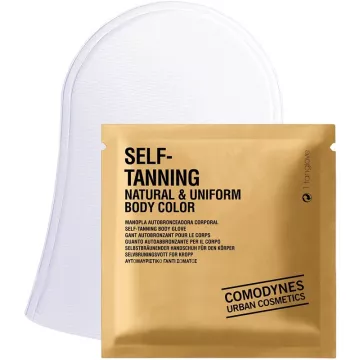
To explore our selection, browse our self-tanning and sun prep section.
Tanning activators are designed to enhance the natural tan produced by sun exposure.
Without UV exposure, they produce no visible pigmentation: their mechanism relies entirely on the stimulation of melanocytes when exposed to sunlight.
To achieve a tanned complexion without sun exposure, opt instead for DHA-based (dihydroxyacetone) self-tanners or a professional spray tanning session.