Boosting the microbiome isn’t just about taking a probiotic supplement—it’s a holistic approach that involves diet, physical activity, sleep, and stress management. Recent research shows that certain strategies have a documented and measurable impact on microbial diversity within a few weeks. Discover our probiotics and prebiotics to support these changes.
Diet and the Microbiome: Practical Strategies?
Diet is the fastest and most powerful way to reshape the microbiome—the effects are measurable within 48 to 72 hours.
- 30 different plant foods per week: a goal documented by the British Gut Project—each plant species feeds distinct bacteria, and dietary diversity creates microbial diversity
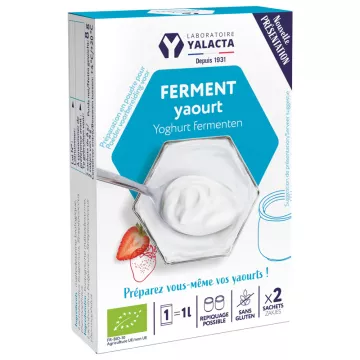
- Daily fermented foods: yogurt, kefir, kimchi, raw sauerkraut—a 2021 Stanford study shows that 6 servings per day of fermented foods for 10 weeks increase microbial diversity more effectively than a high-fiber diet alone
- Polyphenols: green tea, berries, dark cocoa, red wine, coffee—selective prebiotic substrates for Akkermansia muciniphila and Faecalibacterium prausnitzii (butyrate producer)—see polyphenols
- Reduce consumption of ultra-processed red meat and excessive alcohol — documented disruptors of microbial diversity
Intermittent fasting and the microbiome?
Eating patterns—not just diet composition—influence the composition of the microbiome.
- Intermittent fasting (16:8 or 5:2) alters the composition of the microbiota in favor of butyrate-producing bacteria (Roseburia, Lachnospiraceae)
- During fasting periods, the migrating motor complex (MMC) cleanses the small intestine—essential for preventing small intestinal bacterial overgrowth (SIBO)
- Ramadan, animal models, and some human studies: periods of fasting are associated with a temporary increase in microbial diversity
- People with a history of eating disorders: intermittent fasting is contraindicated—a regular and varied diet remains the primary strategy
Physical exercise and the microbiome?
Physical activity stimulates the microbiome independently of diet.
- Studies show that moderate-intensity physical activity (30 min/day, 5 days/week) increases microbial diversity and butyrate production
- Exercise stimulates intestinal motility—accelerating transit and reducing the contact time between potentially harmful metabolites and the mucosa
- Endurance athletes have a more diverse microbiome that is richer in Veillonella —a bacterium that converts muscle lactate into energy-producing propionate (muscle-microbiome axis)
- Excessive exercise and ultra-endurance: may increase intestinal permeability—balance intensity with adequate recovery and glutamine intake
Sleep and the circadian rhythm of the microbiota?
The microbiome has its own circadian rhythm—sleep is an underrecognized regulator of the gut flora.
- The composition of the microbiome fluctuates over a 24-hour period according to its own circadian rhythm—which is disrupted by jet lag, night shifts, and irregular meal times
- Chronic sleep deprivation (< 6 hours/night) reduces microbial diversity and increases intestinal permeability
- Eating in sync with your body clock (not too late at night) allows the microbiome to function according to its own rhythm
- Melatonin: regulates the circadian rhythm—indirectly beneficial for the regularity of the microbiome cycle
Supplements to stimulate the microbiome?
Targeted supplementation enhances dietary and lifestyle strategies.
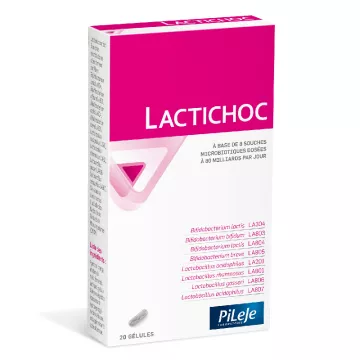
- Multi-strainprobiotics: Lactobacillus + Bifidobacterium + Saccharomyces boulardii — direct seeding and post-distress restoration
- Prebiotics (inulin, FOS, acacia): selectively nourish the bifidobacteria and lactobacilli already present — amplification of the endogenous flora
- Lactic acid bacteria: a gradual and well-tolerated approach, particularly for sensitive intestines
- Glutamine: supports the integrity of the intestinal barrier—a prerequisite for probiotic efficacy
- Vitamin D3: Deficiency is associated with reduced microbial diversity — correct any documented deficiency before starting any microbiota-stimulation protocol