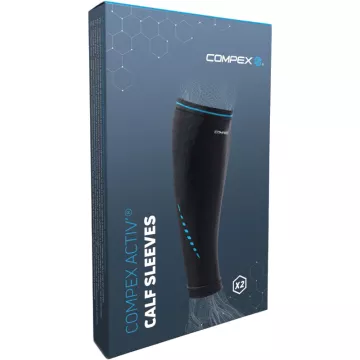
Recovery is just as crucial to progress as training itself. An athlete who neglects this phase will quickly hit a plateau and increase their risk of injury. The most effective techniques:
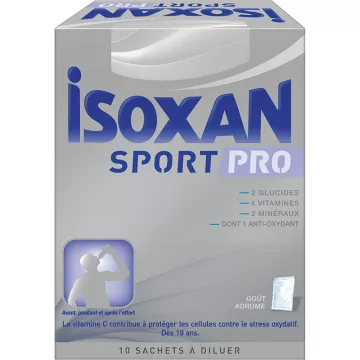
The quality ofhydration before, during, and after exercise directly influences the speed of recovery. Even mild dehydration reduces endurance and increases the perception of exertion.
An athlete’s diet should meet specific needs depending on the training phase:
Avoid ultra-processed foods high in saturated fats and simple sugars, which increase inflammation and slow recovery. The post-workout anabolic window (30 to 60 minutes) is the best time to consume protein and carbohydrates.
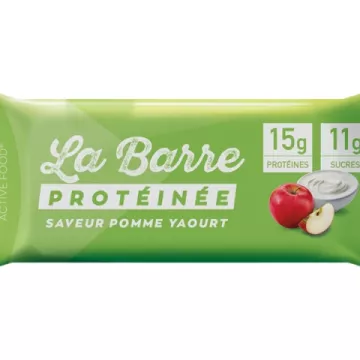
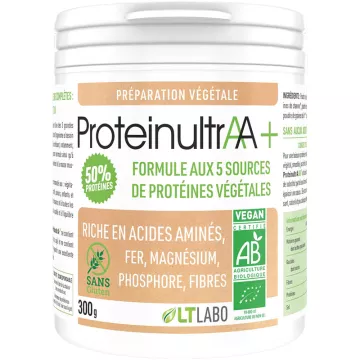
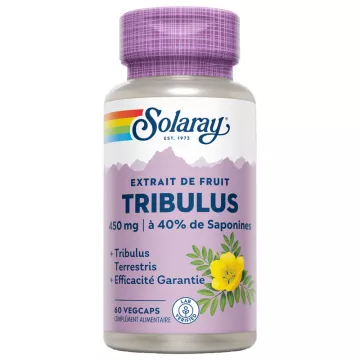
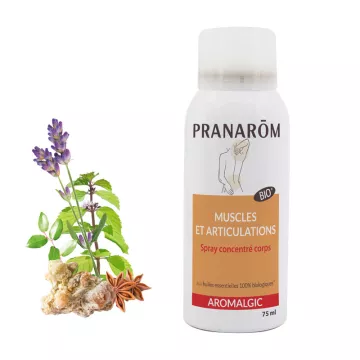
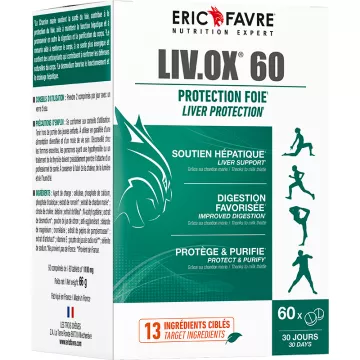
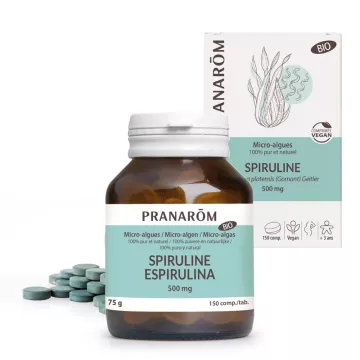
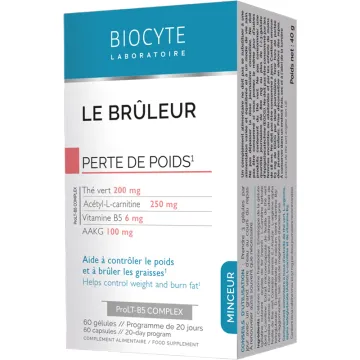
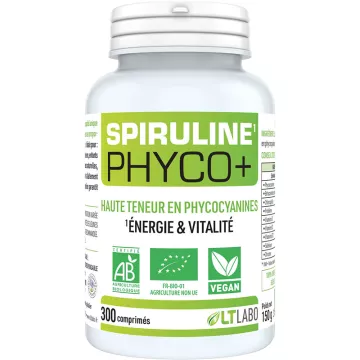
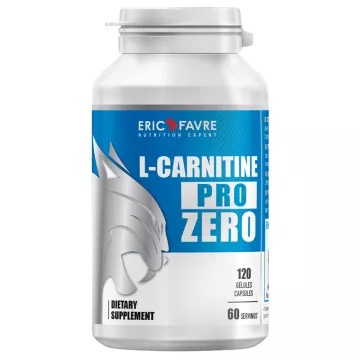
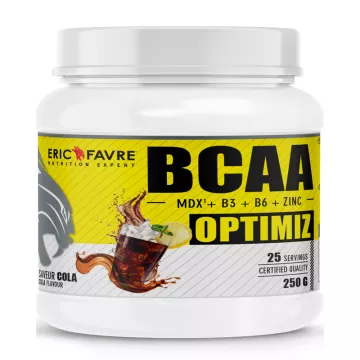
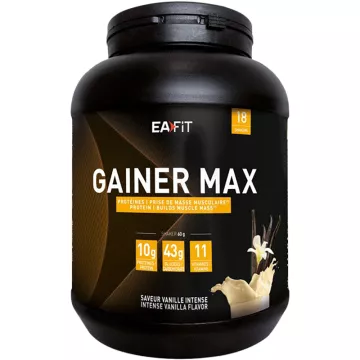
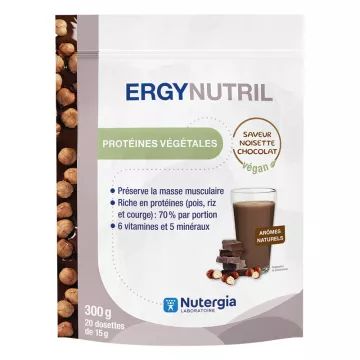
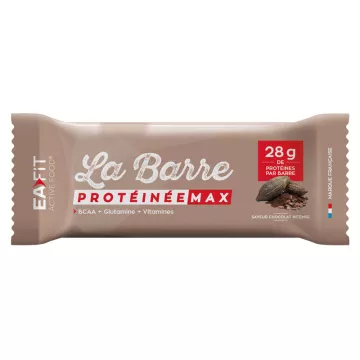
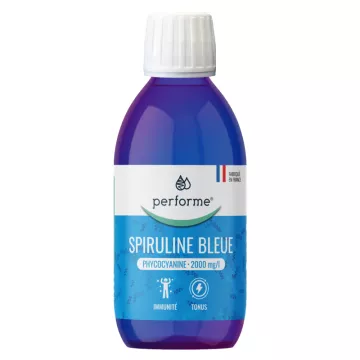
Certain supplements have documented benefits in a sports context:
These supplements should be used to complement a balanced diet, not as a substitute for it. Consulting a sports nutritionist helps identify your actual needs based on your type of activity and fitness level.
Prevention is based on four pillars:
A tailored nutritional plan strengthens tendons and cartilage—collagen, vitamin C, and omega-3s play a well-documented role in their long-term health. Active rest (light walking, gentle swimming) between intense sessions is often more beneficial than complete rest for preventing overuse injuries.
Sleep is the phase during which growth hormone is secreted at peak levels, muscle fibers rebuild, and the nervous system consolidates technical skills. Chronic sleep deprivation reduces endurance, concentration, and responsiveness, and increases the risk of injury. Studies in sports medicine show that one additional hour of sleep significantly improves reaction times and motor precision in athletes. Chronic stress raises cortisol levels, a catabolic hormone that breaks down muscle and disrupts recovery. Meditation, cardiac coherence, and a structured pre-competition routine (warm-up ritual, positive visualization, setting process-oriented goals rather than outcome-oriented ones) are the most effective mental management tools for sustaining performance over the long term.