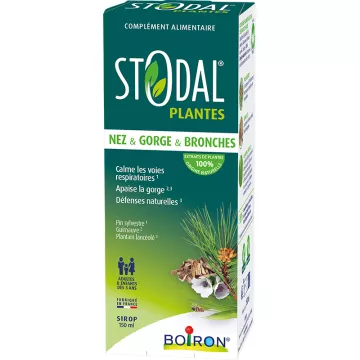
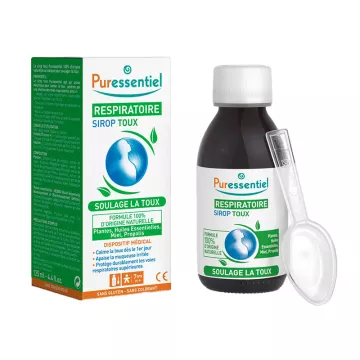
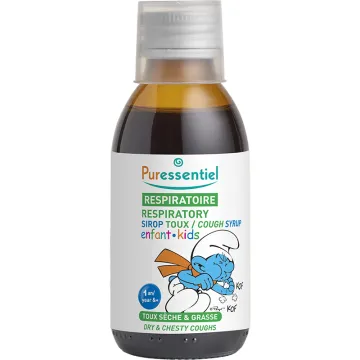
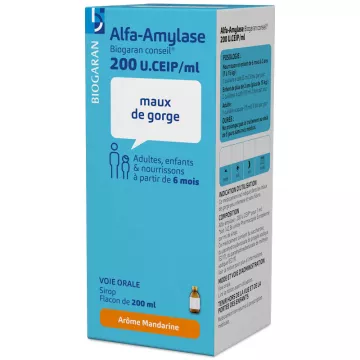
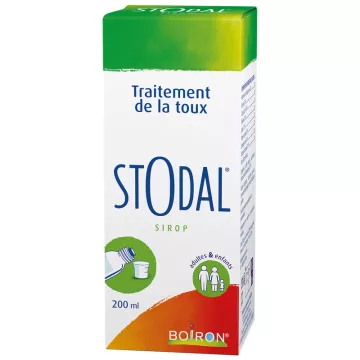
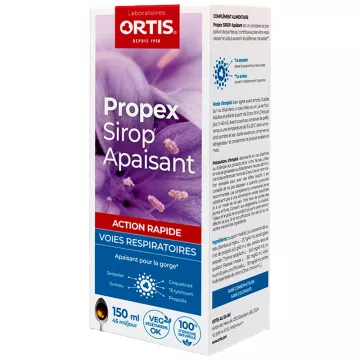
A soothing syrup is a liquid preparation formulated to relieve common symptoms such as coughs, sore throats, or respiratory congestion.
These preparations can be medications in their own right (containing regulated active ingredients) or herbal supplements; some products are available over the counter, while others require a prescription.
Depending on the formula, the syrup may contain cough suppressants, expectorants, herbal extracts (thyme, eucalyptus, honey), or emollients designed to soothe the throat.
For guidance tailored to your situation, ask your pharmacist or doctor for advice.
Depending on its ingredients, a soothing syrup can work through several mechanisms:
It is essential to distinguish between a dry cough (antitussive) and a productive cough (expectorant): never combine these two types of products without medical advice, as this can have counterproductive effects.
Soothing cough syrups may contain a variety of ingredients depending on their intended use:
A soothing cough syrup may be considered in cases of temporary throat irritation, a dry cough, or a clearly identified productive cough.
First, identify the type of cough before choosing an appropriate formula: dry cough → cough suppressant; productive cough → expectorant or mucolytic.
Consult a doctor promptly if the cough lasts more than 7 days, in cases of high fever, blood in the sputum, difficulty breathing, unexplained weight loss, or if symptoms worsen.
Always follow the dosage instructions on the package insert, and do not use a soothing cough syrup as a preventive measure without medical advice.
Like any medication, cough syrups can cause side effects depending on their active ingredients:
If you experience an unexpected side effect, stop taking the medication and consult a healthcare professional.
Self-medication in children is strictly regulated, and certain syrups are strictly contraindicated for certain age groups.
Choose pediatric formulations explicitly tailored to the child’s age, and strictly adhere to the recommended doses (usually based on weight).
Important precautions: honey is prohibited for children under 1 year of age; essential oils of eucalyptus, mint, and niaouli are contraindicated for children under 3 years of age; dextromethorphan is not recommended for children; always consult a pediatrician before first use.
For infants and young children, medical follow-up is essential in the event of a persistent cough or ENT symptoms.
The effect of a soothing cough syrup can vary depending on the active ingredients and the nature of the symptoms.
Subjective relief is often felt within 15 to 30 minutes after taking it (soothing effect on the mucous membranes).
For cough suppressants or expectorants, the pharmacological effect may take anywhere from a few hours to a few days of regular use.
Follow the recommended dosage and never increase the dose without medical advice to avoid any risk of overdose.
Some soothing syrups may interact with other medications, including:
Before taking this medication, read the package insert carefully and inform your pharmacist or doctor of all medications you are currently taking.
Several natural approaches can help soothe the throat or support respiratory comfort:
These approaches are not a substitute for a medical consultation in the event of persistent or concerning symptoms.
During pregnancy or breastfeeding, soothing syrup should not be used without medical advice.
Many active ingredients can cross the placental barrier or pass into breast milk, posing a risk to the fetus or infant depending on the compound.
Certain essential oils (eucalyptus, mint, sage) and herbs (licorice, ivy) are contraindicated during pregnancy.
Always consult your doctor, midwife, or pharmacist before taking any medication or herbal supplement during this time.
The shelf life of a soothing syrup depends on its composition, the preservatives it contains, and storage conditions.
Most syrups can be used for 6 months to 1 year after opening, provided they are stored away from light in a cool, dry place.
Some natural syrups without preservatives have a shorter shelf life (1 to 3 months) and may need to be refrigerated.
Always check the expiration date, shelf life, and storage instructions listed on the packaging.
Stop using a soothing syrup immediately and consult a healthcare professional if you experience:
In the event of a severe reaction (difficulty breathing, swelling), call 15 or 112 immediately.
Cough syrups intended for humans should NEVER be given to pets without veterinary advice.
Many active ingredients and excipients are toxic to animals: acetaminophen (highly toxic to cats, low lethal dose), xylitol (a common sweetener, highly toxic to dogs—severe hypoglycemia, liver damage).
Other ingredients (essential oils, dextromethorphan, salicylates) also pose risks to animals, depending on the species.
If your pet has a cough or irritation, consult a veterinarian for specific veterinary treatment.
Most soothing syrups do not require strict dietary restrictions.
Some can be taken with a small amount of food to help reduce potential nausea, especially if you have a sensitive stomach.
Avoid alcohol for the duration of treatment, especially with syrups containing central cough suppressants (which can cause increased drowsiness).
Check the manufacturer’s specific recommendations on the package insert and ask your pharmacist for advice if you have any questions.
To preserve the effectiveness of a soothing syrup, follow a few simple rules:
If the product’s appearance changes (color, odor, texture, or formation of sediment), stop using it and return it to your pharmacy.