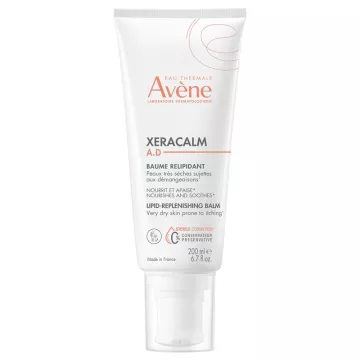
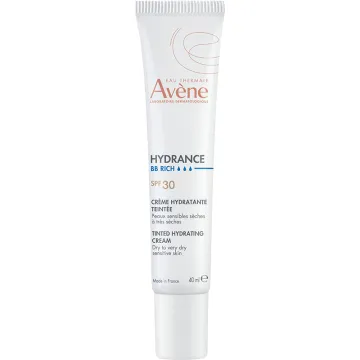
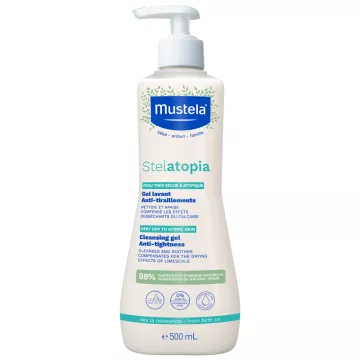
Skin discomfort refers to a range of unpleasant, temporary sensations felt on the skin, without necessarily indicating a specific medical condition. It includes sensations of tightness, warmth, tingling, or a "tingling" sensation, often linked to environmental or lifestyle factors: cold, wind, indoor heating, hard water, harsh personal care products, stress, or hormonal fluctuations. Unlike a diagnosed skin condition, skin discomfort is generally temporary and responds well to soothing daily skincare routines.
Skin discomfort manifests as subjective symptoms, often without redness or visible lesions: a tight feeling after washing, mild warmth when exposed to wind or sun, a tingling sensation after applying a skincare product, or skin that feels rough to the touch. These sensations are generally isolated and short-lived. If they’re accompanied by marked redness, patches, intense itching, or if they persist beyond a few days, it’s best to consult a page dedicated to a more specific symptom to identify the underlying cause.
Several well-documented cosmetic active ingredients support daily skin comfort.Rhealba oats are the go-to soothing ingredient, used in cleansers and moisturizers for sensitive and uncomfortable skin.Allantoin promotes the regeneration of the epidermis’s outermost layer, while ceramides strengthen the skin’s barrier function and reduce water loss. Calendula andaloe vera are useful additions to a soothing routine, in gel or cream form depending on the desired texture.
A simple, consistent routine is usually enough to alleviate temporary skin discomfort:
Certain simple habits can reduce the frequency of skin discomfort: limit the duration and temperature of showers, avoid loofahs and excessive exfoliation, choose a fragrance-free laundry detergent for clothes that come into direct contact with the skin, and maintain adequate hydration by drinking enough water. Excessively dry indoor air, especially during the heating season, often exacerbates feelings of discomfort: a portable humidifier can provide significant relief.
Skin discomfort that persists beyond one to two weeks despite an appropriate skincare routine—and is accompanied by widespread redness, patches, intense itching, or skin lesions—warrants a consultation with a doctor or pharmacist. These signs may indicate a skin condition requiring specific treatment rather than just a routine to alleviate discomfort.