What are the steps in a skin-friendly shaving routine?
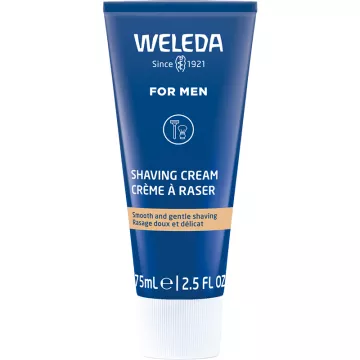
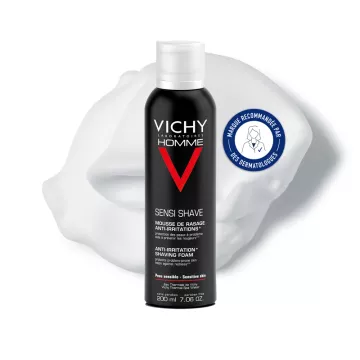
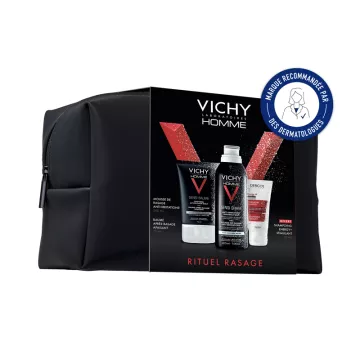
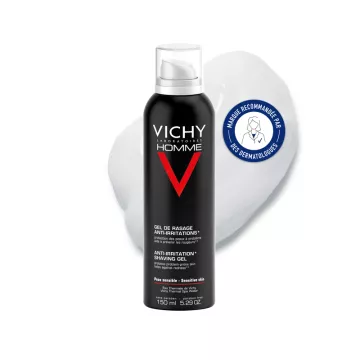
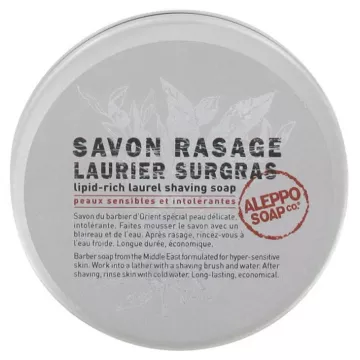
An optimal shaving routine consists of three steps to prevent irritation, ingrown hairs, and post-shave acne:
- Before shaving: soften the hair and open the follicles (warm water for 2 minutes). Apply a pre-shave oil to create a protective barrier between the blade and the skin. Exfoliate 2 to 3 times a week to prevent ingrown hairs.
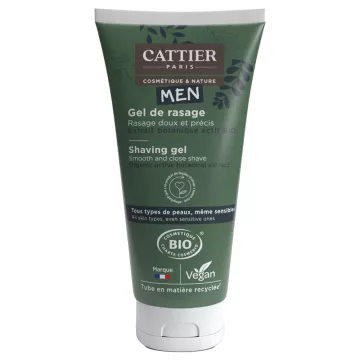
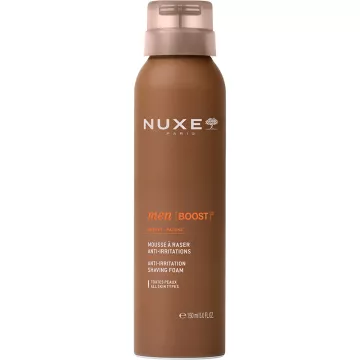
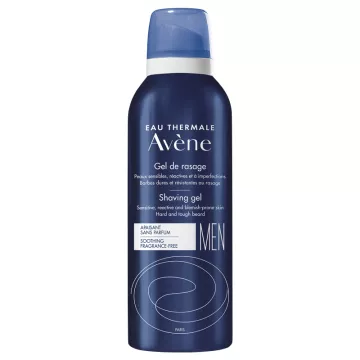
- During shaving: Shave with the grain on the first pass, using a clean blade. Rinse the blade regularly. Never press down—excessive pressure is the main cause of irritation.
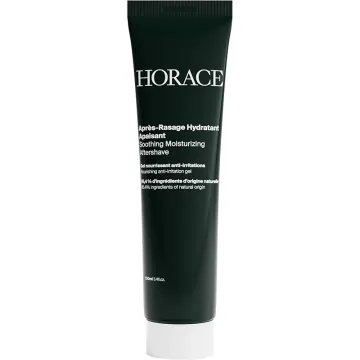
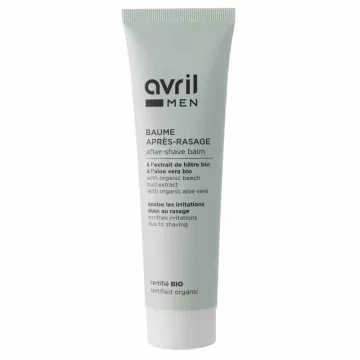
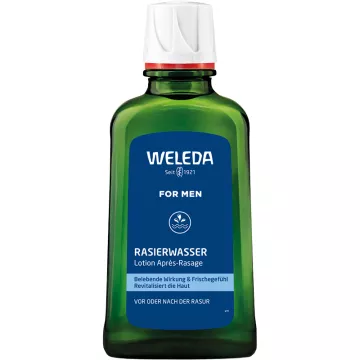
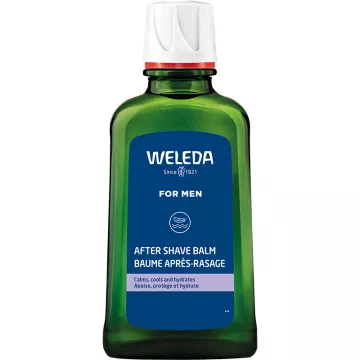
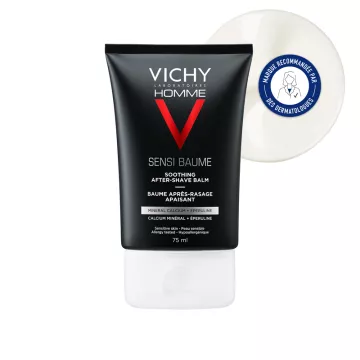
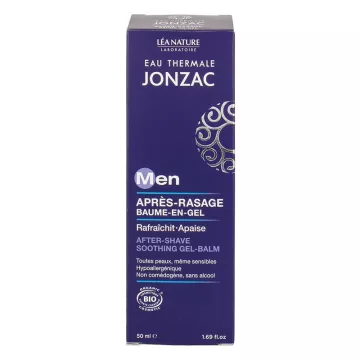
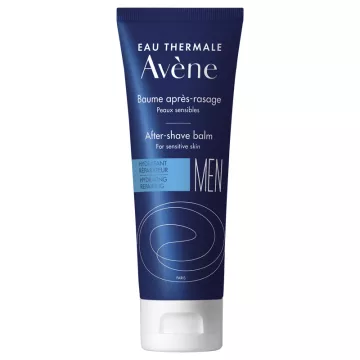
- After shaving: Rinse with cold water, then apply a soothing and moisturizing aftershave. Avoid aftershaves containing pure alcohol—while antiseptic, they are very drying and irritating to the skin barrier.
Is aloe vera the ideal base for pre- and post-shave care?
Versatile for both pre- and post-shave use,aloe vera (cold-stabilized gel) offers three key benefits. Its acemannan forms a hydrogel film that moisturizes and softens the hair before it comes into contact with the blade. After shaving, its anthraquinones reduce skin inflammation, and its polysaccharides accelerate the healing of micro-cuts. Its mild antimicrobial activity—which does not alter the skin’s microbiome—reduces the risk of post-shave folliculitis, a common complication among men with sensitive skin.
Does jojoba protect the skin barrier during shaving?
An ideal base for pre-shave oils, jojoba (Simmondsia chinensis) is technically a liquid wax whose composition, similar to that of skin sebum, allows it to integrate into the lipid barrier without causing occlusion. When applied before shaving, it creates a slippery film that reduces blade friction by 30 to 40 percent, according to tribological studies, while maintaining skin hydration. Its resistance to oxidation makes it a stable base for pre-shave formulas with a long shelf life.
Does tea tree oil prevent ingrown hairs and folliculitis?
A common post-shaving problem, bacterial folliculitis (Staphylococcus epidermidis or aureus) and ingrown hairs can be prevented bytea tree essential oil (Melaleuca alternifolia). Its terpinene-4-ol disrupts the membranes of the bacteria responsible for folliculitis. Randomized clinical trials confirm its effectiveness at a 5% concentration compared to topical antibiotics. When incorporated into an exfoliating gel or aftershave at a concentration of 1–2%, it reduces the incidence of ingrown hairs by keeping the follicle free of bacterial contamination. Always use it diluted—never apply it undiluted to the face.
Bisabolol and Centella: Anti-Irritation Ingredients for Shaving?
Two complementary active ingredients for post-shave skin repair:
- A leading anti-inflammatory for the skin, bisabolol (alpha-bisabolol from chamomile) inhibits NF-kB and COX-1, reducing pro-inflammatory cytokines caused by micro-injuries from shaving. Effective at very low concentrations (0.1 to 0.5%), it also accelerates the healing of micro-cuts by stimulating fibroblasts.
- Centella asiatica, which stimulates collagen and VEGF, repairs the repeated epidermal micro-lesions caused by chronic shaving. Its triterpenes (asiaticoside, madecassoside) strengthen the dermo-epidermal junction, reducing skin sensitivity to mechanical irritation—particularly relevant for men who shave daily.
Does zinc prevent post-shave acne and breakouts?
After shaving, open follicles are vulnerable to colonization by Cutibacterium acnes, triggering post-shave acne. Zinc acts through several mechanisms:
- Regulation of sebum production: It inhibits cutaneous 5α-reductase, reducing the production of sebum that feeds C. acnes.
- Antibacterial activity: Ionic zinc disrupts the membranes of C. acnes and reduces its adhesion to the follicles. Studies confirm the effectiveness of topical zinc gluconate in treating mild to moderate acne.
- Anti-inflammatory: inhibits inflammatory metalloproteinases (MMPs) released by follicular bacteria. Oral supplementation (15 to 25 mg/day of bisglycinate) complements the topical treatment.