What Are Natural Remedies, and How Do You Choose Them?
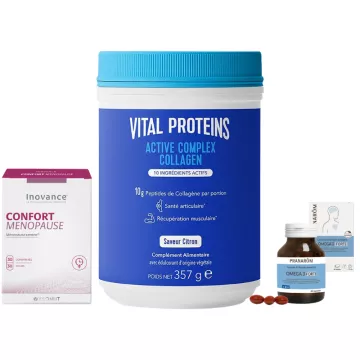
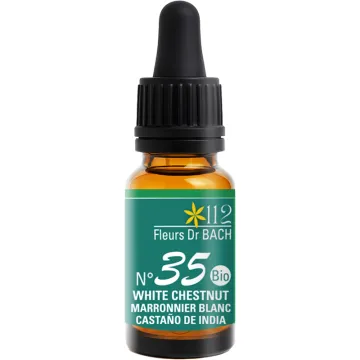
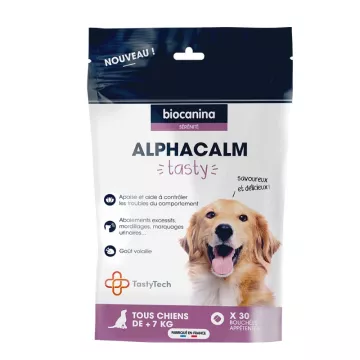
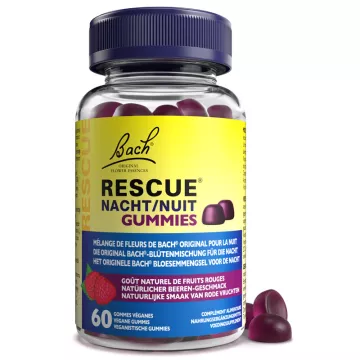
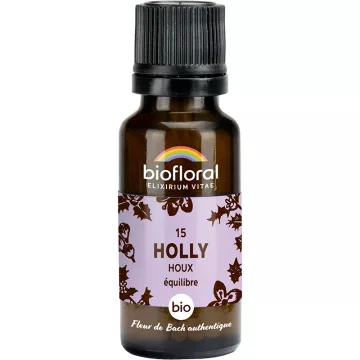
Natural remedies refer to all medicinal plants, dietary supplements, essential oils, and natural therapeutic practices used to support health and well-being. They are not a substitute for prescribed medical treatments but can be effectively used as complementary therapies. Discover our complete range of herbal remedies and health and wellness products, as well as our anti-stress formulas—all selected for their quality and traceability.
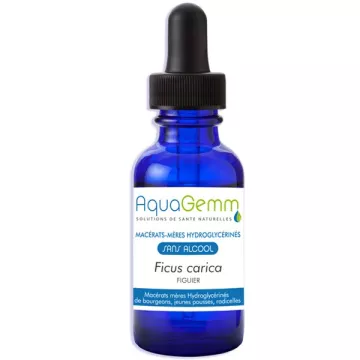
- Medicinal plants (herbal medicine): standardized extracts of active ingredients—capsules, mother tinctures, herbal teas—effectiveness varies depending on the plant, the part used, and the dosage form—choose products that specify the active ingredient content (e.g., curcumin 95%, silymarin 80%)
- Dietary supplements: vitamins, minerals, fatty acids, probiotics, amino acids — regulated by the DGCCRF in France — cannot claim therapeutic effects — choose brands that are transparent about origin, dosage, and bioavailable forms
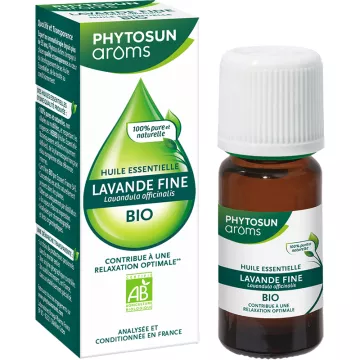
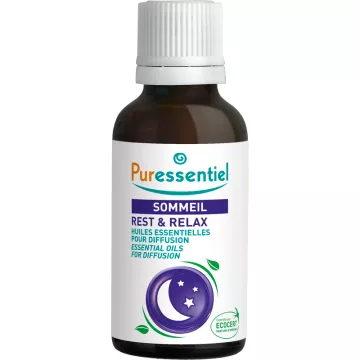
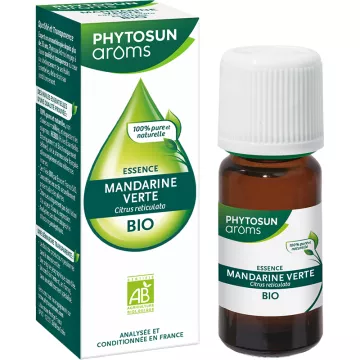
- Essential oils (aromatherapy): highly active plant concentrates — never take orally without consulting a qualified aromatherapist — always dilute before applying to the skin — choose chemotyped (CT) oils that are 100% pure and natural, certified organic
- Quality labels to look for: AB (Organic Agriculture)—ECOCERT—NF (French standard)—ISO 22000 for food safety—products sold in pharmacies that guarantee a rigorous quality control chain
- Essential precaution: Some natural remedies interact with medications—St. John’s wort reduces the effectiveness of oral contraceptives, anticoagulants, and antiretrovirals—always inform your doctor and pharmacist if you are taking any supplements or herbal remedies
Natural Remedies for Stress, Sleep, and Anxiety
- Magnesium: the best-documented anti-stress supplement—a cofactor in the synthesis of serotonin and GABA, and a regulator of nerve excitability—deficiency (70% of the population) → irritability, anxiety, muscle tension, insomnia — bisglycinate or glycerophosphate 300–400 mg/night
- Ashwagandha (Withania somnifera): an adaptogen that reduces cortisol by 27–30% (KSM-66 extract 300–600 mg/evening) — positive studies on stress, anxiety, and sleep quality — take in the evening; has a mild sedative effect
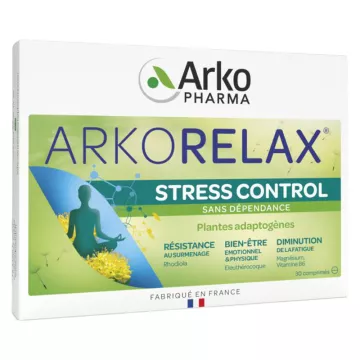
- Rhodiola rosea: an adaptogen for mental fatigue caused by overwork — inhibits the breakdown of serotonin and dopamine — 200–400 mg in the morning (mildly stimulating)
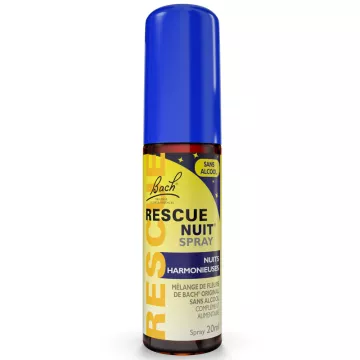
- Valerian + passionflower + lemon balm: herbal trio for sleep and nervous system relaxation — GABA-A + antispasmodic + nighttime rumination — as a herbal tea or in capsules 30 minutes before bedtime
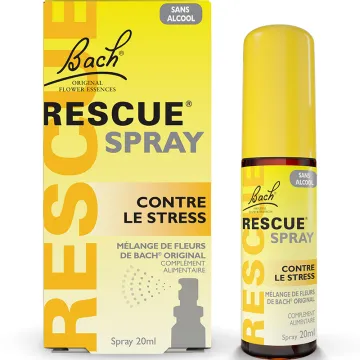
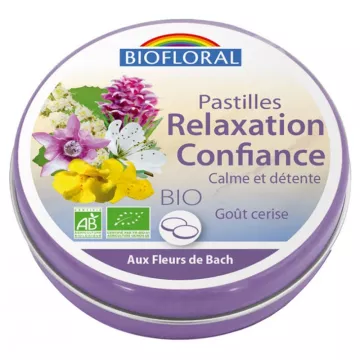
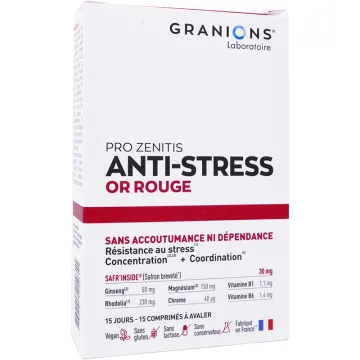
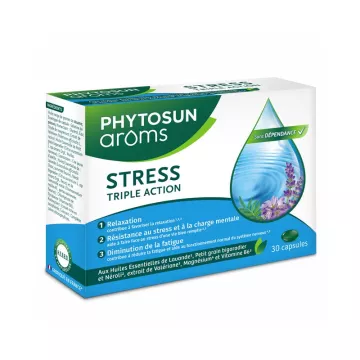
- L-theanine (green tea): an amino acid that increases alpha brain waves (awake relaxation without drowsiness) — 100–200 mg combined with magnesium for daytime relaxation — find our formulas in our anti-stress line
Natural Remedies for Immunity and Infections
- Echinacea (Echinacea purpurea): stimulates the production and activity of white blood cells (macrophages, NK cells) — positive meta-analyses on the prevention and reduction of the duration of respiratory infections — take as a short course (8–10 days max) for prevention or treatment — contraindicated in autoimmune diseases
- Zinc: a key trace element for immunity — a cofactor for over 300 enzymes — deficiency → immunosuppression, slow wound healing, recurrent infections — gluconate or bisglycinate 10–15 mg/day — see our dedicated page for forms and dosages
- Propolis: hive resin with antimicrobial, antiviral, and anti-inflammatory properties—rich in flavonoids—available as an oral spray (for sore throats, ENT infections) or in capsules (for general immunity)—choose French propolis with a guaranteed polyphenol content
- Vitamin C: a powerful antioxidant that supports cellular and humoral immunity—increased needs in smokers and during periods of infection—acerola (natural vitamin C with bioflavonoids) or synthetic ascorbic acid (equal efficacy)—check out our immune support supplements
- Fermented black garlic: rich in S-allylcysteine (a stable form of allicin)—antimicrobial, antioxidant, and cardioprotective properties—mild flavor without the lingering odor of raw garlic
Natural remedies for joints, inflammation, and overall well-being
- Turmeric and curcumin: powerful natural anti-inflammatory — inhibits NF-κB and cyclooxygenases (COX-1, COX-2) — effective for mild to moderate joint pain — very low bioavailability (1%) → choose a formula with piperine + curcumin or micronized curcumin (phytosomes) — find our turmeric formulas at your local pharmacy
- Omega-3 EPA and DHA: anti-inflammatory fatty acids — EPA inhibits the synthesis of pro-inflammatory prostaglandins — effective for joint pain (polyarthritis, mild osteoarthritis) and neuroinflammation — 2–4 g EPA+DHA/day for joint relief
- Boswellia serrata: Ayurvedic anti-inflammatory resin — inhibits leukotrienes (5-lipoxygenase) — effects complementary to turmeric — effective for osteoarthritis, IBD, and chronic back pain—standardized extract containing 30–65% AKBA (boswellic acid)
- Ginger (Zingiber officinale): anti-inflammatory and anti-nausea — gingerols and shogaols inhibit COX-2 and prostaglandins — helpful for nausea (pregnancy, chemotherapy, motion sickness) + muscle pain + mild osteoarthritis
- Meditation and natural remedies: mind-body practices (meditation, cardiac coherence, yoga) are “natural remedies” in their own right — reduce cortisol, chronic inflammation, and pain perception — should always be combined with supplements for maximum synergistic effect