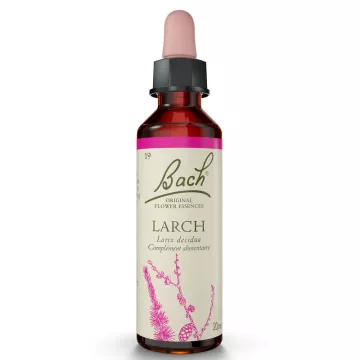
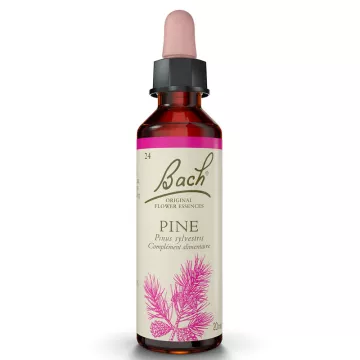
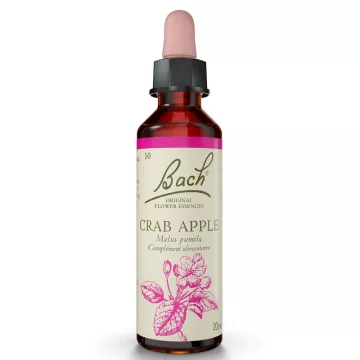
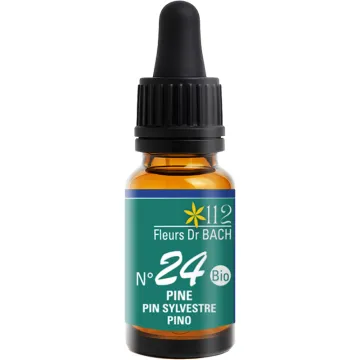
In Dr. Edward Bach’s philosophy, authenticself-esteem emerges naturally when emotional blockages linked to the fear of failure, a lack of confidence, and dependence on others’ approval are dissolved. Bach identified several emotional states that silently erode self-esteem: a deep-seated belief that one is not good enough even before trying, a tendency to put oneself last to please others at the expense of one’s own needs, or excessive shame and guilt in the face of mistakes. Bach Flower Remedies associated with self-esteem do not seek to artificially inflate confidence but rather to dispel the fears and limiting beliefs that prevent each person from recognizing their own worth. These flower essences, which contain no biochemical active ingredients, do not interact with medications and are suitable for all ages.
Several Bach Flower Remedies target the emotional states that undermine self-esteem:
Bach Flower Remedies are taken at a dose of 4 drops under the tongue 4 times a day, between meals, as a 3- to 4-week course that can be repeated—up to 7 flowers combined in a personalized blend. Work on self-esteem also benefits from neurochemical support: low self-esteem is often associated with an overactive stress response (elevated cortisol) and a serotonin deficiency. Griffonia (5-HTP—a serotonin precursor) supports mood balance and reduces socialanxiety, which fuels limiting beliefs—absolutely contraindicated with SSRIs, SNRIs, tramadol, and St. John’s wort. Magnesium bisglycinate (300 mg/day) reduces stress hyperreactivity and self-irritability. Rhodiola (an adaptogen) improves emotional resilience and confidence in one’s ability to cope with challenges. Meditation and relaxation develop self-awareness and help create distance from self-critical thoughts. In cases of severe or persistent low self-esteem associated with deep sadness, consult a doctor or psychologist—these approaches complement but do not replace therapeutic care.