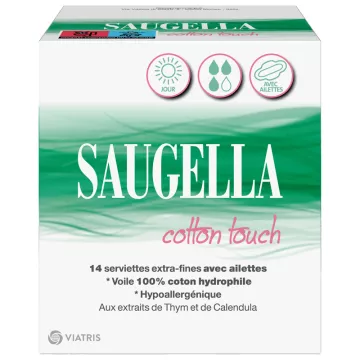
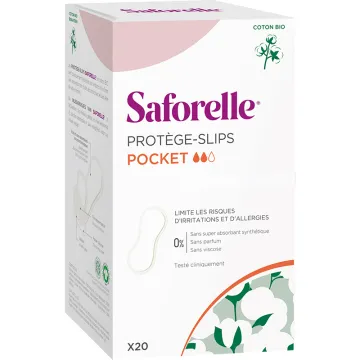
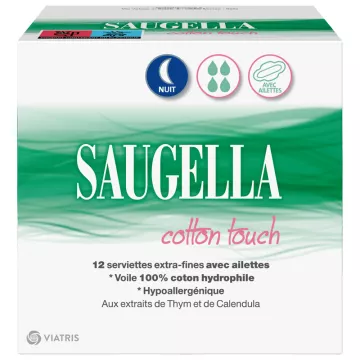
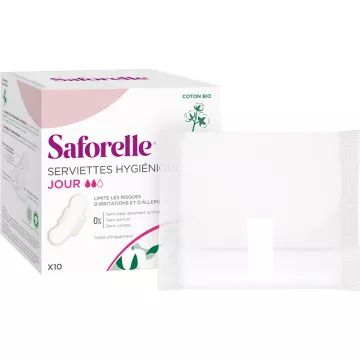
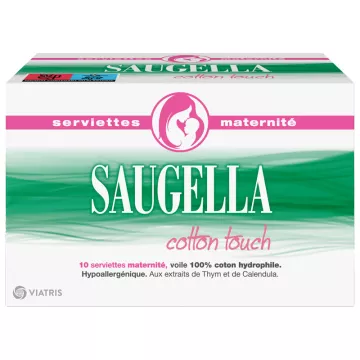
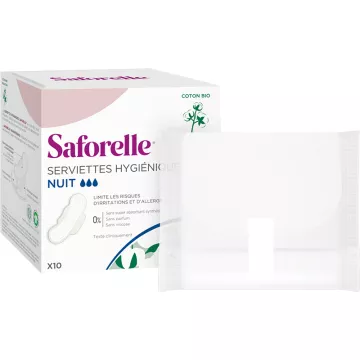
Sanitary pads come in several sizes to suit the intensity of your flow and different times of the day. Here are some guidelines to help you choose:
Wings play a practical role: they tuck under your underwear and help prevent side leakage, especially when you’re on the move. For sensitive skin, opt for organic cotton pads that are free of fragrances and artificial dyes.
Organic cotton pads address several concerns at once:
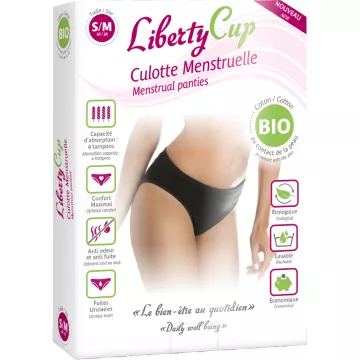
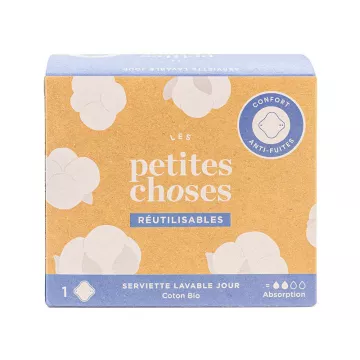
Conventional wipes may contain chlorine residues (from bleaching), synthetic fragrances, or chemical superabsorbents, which may be tolerated differently by the vagina depending on the individual. If you have any doubts about the composition, check for certifications: the GOTS label for organic cotton, “OK Compost,” or FSC for biodegradability. To take your eco-friendly approach a step further, biodegradable diaper wipes and reusable pads are alternatives worth exploring.
Fragrances added to sanitary pads disrupt the natural pH balance of the intimate area and can cause irritation or allergic reactions. The vulvar area is particularly susceptible to chemical substances. Synthetic fragrances are among the most common contact allergens in dermatology. Other additives, such as residual dioxins from chlorine bleaching or certain superabsorbent polymers, raise questions about their long-term safety, although no conclusive data has yet been established under normal conditions of use. If you experience redness, a skin allergic reaction, or itching after use, stop using the product immediately and switch to a fragrance-free alternative. If symptoms persist, consult a healthcare professional.
Proper use minimizes irritation and maintains optimal hygiene:
At night, a maxi pad or overnight pad—which is longer—provides protection suited to lying down. Even with a light flow, changing pads regularly prevents itching caused by prolonged moisture.
The choice depends on personal preferences and the situation:
Sanitary pads remain the go-to option for first periods, overnight use, and for women who prefer to avoid any insertion. The two products can be used together depending on the stage of your cycle. Regardless of the protection you choose, avoid scented products and change them regularly to maintain the balance of your intimate area and prevent irritation and infections.