Sadness is a fundamental and universal emotion—a natural and adaptive response to loss, disappointment, or a painful situation. It is distinct from depression—a pathological condition characterized by persistent sadness (> 2 weeks), a loss of interest in usual activities, severe fatigue, sleep and appetite disturbances, and intrusive negative thoughts. Normal sadness is temporary, linked to a specific event, and subsides with time and support. Neurochemically, it involves a reduction in serotonin, dopamine, and BDNF (brain-derived neurotrophic factor). Mindfulness meditation helps one navigate sadness without being overwhelmed by it by cultivating a stance of compassionate observation. Consult a doctor or psychologist if sadness lasts longer than 2 weeks, intensifies, or is accompanied by suicidal thoughts—these natural approaches are not a substitute for medical treatment in cases of clinical depression.
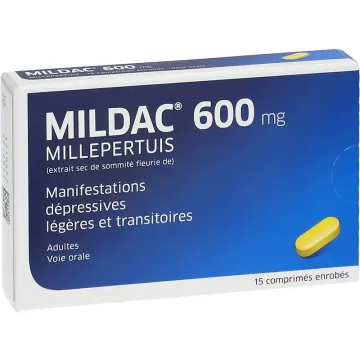
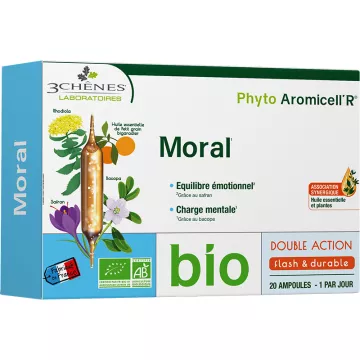
Griffonia (5-HTP—a direct precursor to serotonin) is the most well-documented natural active ingredient for supporting mood and alleviating reactive sadness—strict contraindications with SSRIs, SNRIs, tramadol, and St. John’s wort. St. John’s wort (Hypericum perforatum standardized for hypericin) is indicated for mild to moderate depressive states—it has numerous drug interactions (anticoagulants, contraceptives, antiretrovirals, SSRIs) and is photosensitizing—medical advice is required. Saffron (standardized extract of safranal and crocin) has positive clinical data on mood support comparable to St. John’s wort, with fewer drug interactions—contraindicated during pregnancy. Vitamin D3 (at least 1,000–2,000 IU/day) is particularly important for winter seasonal sadness (seasonal affective disorder—SAD): a deficiency is associated with decreased serotonin production and worsening depressive symptoms in the fall and winter. Light therapy (10,000-lux lamp, 20 to 30 minutes in the morning) effectively complements vitamin D3 in SAD. Omega-3 EPA-DHA (1 to 3 g/day) has a documented effect on mood regulation by modulating neurological inflammation.
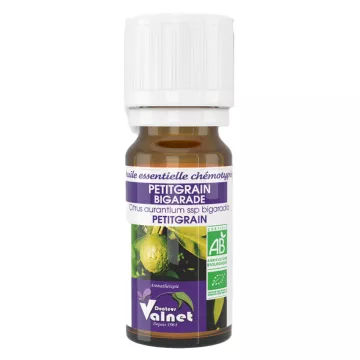
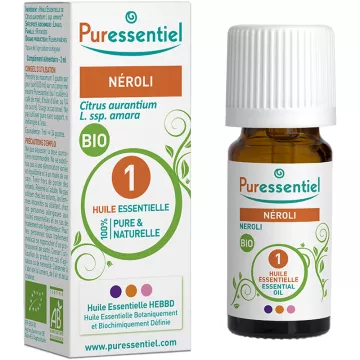
In aromatherapy, true lavender (linalool — a mild anxiolytic and nervous system tonic) and bergamot (linalool and linalyl acetate — a mood tonic, slightly photosensitizing and best avoided before sun exposure) are the most commonly used essential oils to support mood and help get through periods of sadness. When diffused into the air (10 to 15 minutes in a well-ventilated room) or inhaled directly, they act quickly on the limbic system. In terms of practical interventions, physical exercise (30 minutes of brisk walking or aerobic activity) is the most effective and best-documented intervention for increasing endorphins and BDNF—its antidepressant effect is documented as early as the first session. Practicing gratitude (writing down three positive things each day before bed) and maintaining social connections—even when motivation is low—are important behavioral strategies for preventing sadness from escalating into a depressive state.