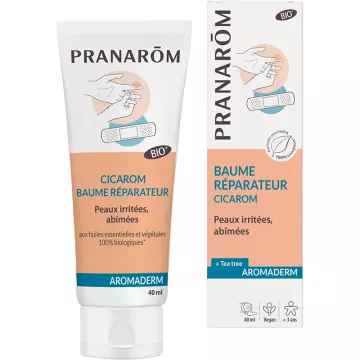
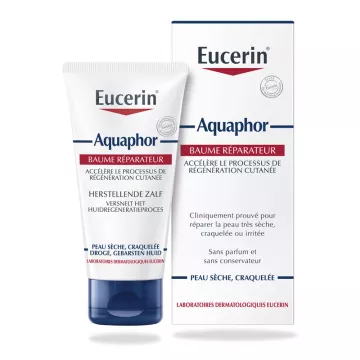
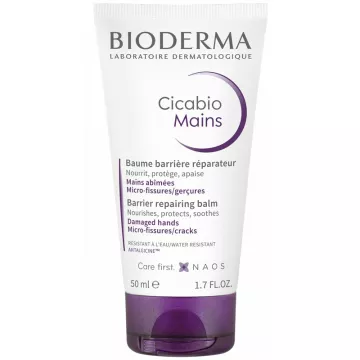
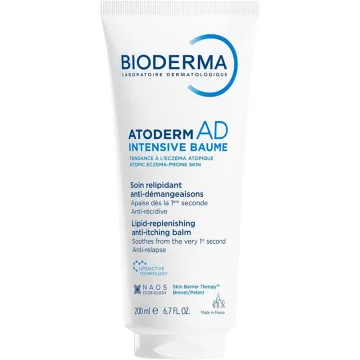
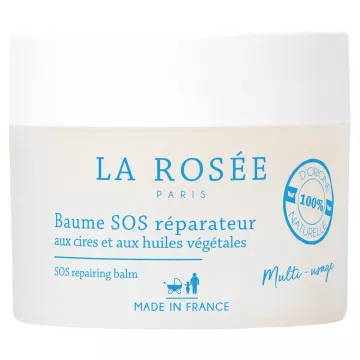
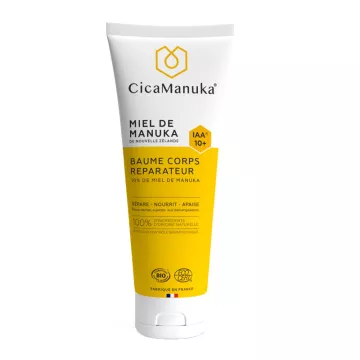
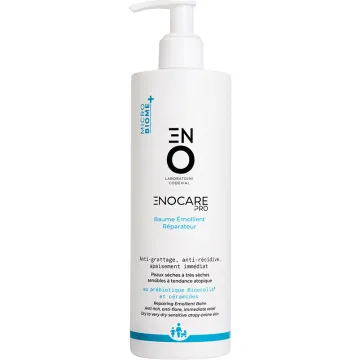
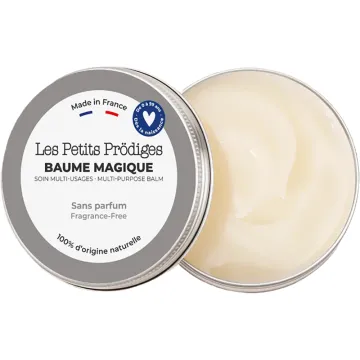
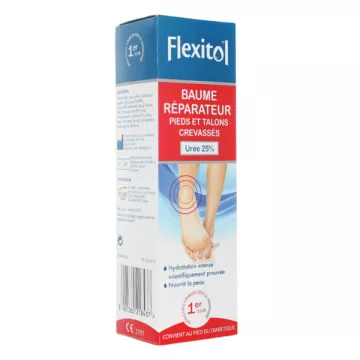
A reparative balm is an intensive skincare product formulated to nourish, moisturize, and soothe dry or irritated skin.
Its texture, rich in moisturizing agents, lipids, and sometimes soothing active ingredients, makes it a popular cosmetic supplement for dry, irritated, or atopic-prone skin (as part of dermatological treatment for eczema, psoriasis, or other chronic skin conditions).
Common ingredients include: shea butter, argan oil, coconut oil, panthenol (vitamin B5), aloe vera, calendula, and vitamin E.
A reparative balm is still a cosmetic product: it should never be used as a substitute for medical treatment on skin affected by a diagnosed condition.
To get the most out of a reparative balm, apply a small amount to the area needing moisture after gently cleansing and drying the skin.
Gently massage in circular motions until fully absorbed; on very dry areas (elbows, knees, heels), applying a slightly thicker layer as an overnight occlusive treatment enhances the nourishing effect.
For very dry or damaged skin, applying the balm morning and night is generally recommended.
Common areas of use: hands, feet, elbows, knees, legs, and lips. Never apply to open, oozing, or infected wounds without prior medical advice.
The repairing balm offers several cosmetic benefits:
Most repair balm formulas are designed to suit a wide range of skin types, including sensitive skin.
If you have allergic or highly reactive skin, carefully read the INCI list to identify any potential allergens (fragrances, preservatives, essential oils, certain preservatives).
Perform a patch test on the inside of your elbow 48 hours before first use.
For oily or acne-prone skin, choose non-comedogenic, lightweight balms (such as those containing jojoba oil or squalane) to avoid clogging pores.
The results of a reparative balm may vary depending on skin type and the initial condition of the skin.
An immediate sense of relief, comfort, and hydration is generally felt upon the first application.
For visible improvements in skin quality (suppleness, softness, reduction of roughness), regular use for 2 to 4 weeks is generally recommended.
If dryness, irritation, or skin discomfort persists, consult a dermatologist to rule out an underlying condition.
The repairing balm can be used on the face, particularly on areas that are very dry, tight, or uncomfortable.
Given its rich formula, a small amount is sufficient; apply it preferably in the evening to allow for prolonged absorption overnight.
For combination or acne-prone skin, look for the label “non-comedogenic” and avoid balms made with pure coconut oil or cocoa butter on the T-zone (forehead, nose, and chin).
If redness or persistent discomfort occurs after several applications, discontinue use and consult a dermatologist.
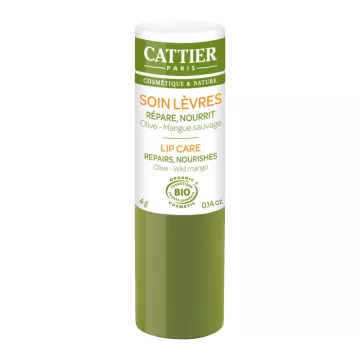
Yes, the repairing balm is particularly suitable for chapped, dry, or damaged lips.
Its formula, rich in lipids and moisturizing agents, visibly nourishes the lips and helps protect the lip contour against harsh weather conditions (cold, wind, sun).
Choose formulas that are fragrance-free and free of mint or cinnamon (which can be irritating), and that are suitable for use on the lips (without ingredients not recommended for use in the mouth).
If chapped lips persist for more than 2 weeks despite regular application, or if they are accompanied by deep cracks, consult a doctor or dermatologist.
Since children’s skin is thinner and more sensitive, there are repair balms specifically formulated for them.
These pediatric formulas are generally gentler, fragrance-free, alcohol-free, and free of known allergens, containing simple soothing active ingredients (shea butter, calendula, panthenol).
Infants under 3 months: Consult a pediatrician before applying any cosmetic product on a regular basis; for a baby’s skin, choose formulas certified for pediatric use.
If your child has persistent patches, widespread redness, severe itching, or suspected eczema, consult a pediatrician or dermatologist.
To choose a suitable repair balm, consider the following criteria:
Read the full INCI list and check the PAO (period after opening) indicated on the packaging.
The repairing balm easily fits into a complete skincare routine.
Recommended application: After cleansing, apply a hydrating serum (such as hyaluronic acid), then finish with the reparative balm to lock in moisture.
It is particularly beneficial as a nighttime occlusive treatment on very dry areas; apply a thicker layer before bed for a prolonged nourishing effect.
On the face or when applied lightly, you can apply foundation or sunscreen over it in the morning, after allowing a few minutes for absorption. Avoid layering too many products, as this could weigh down the skin and clog pores.