What is remineralization, and why is it essential?
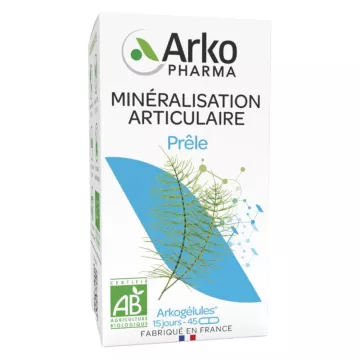
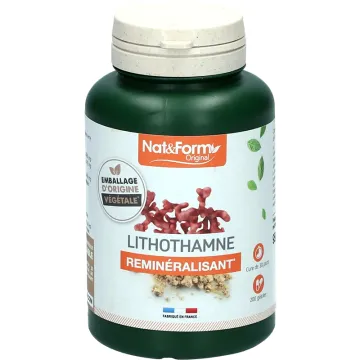
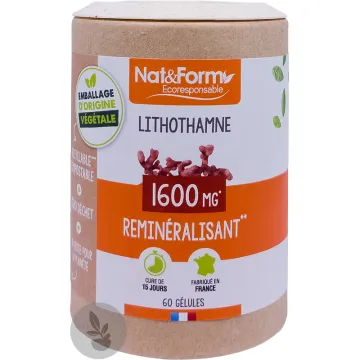
Remineralization is the biological process by which minerals are reintegrated into calcified tissues—bones and teeth—after they have been partially lost (demineralization). It is in a constant balance with demineralization: when the balance tips toward mineral loss, this leads toosteoporosis in bones or erosion and cavities in teeth. Supplements to support bone and dental health are available in the store’s bone remineralization and vitamin D product lines.
- Bone remineralization: deposition of hydroxyapatite crystals (Ca₁₀(PO₄)₆(OH)₂) onto the collagen matrix—a continuous process carried out by osteoblasts (formation) in balance with osteoclasts (resorption)—osteoporosis results from an imbalance favoring resorption—bone mineral density (BMD) measured by dual-energy X-ray absorptiometry (DXA)
- Dental remineralization: restoration of enamel following acid attack (bacterial or dietary) — enamel contains no living cells (ameloblasts become inactive after eruption) → remineralization occurs via salivary fluids (calcium, phosphate, fluorides) — fluoride accelerates the formation of hydroxyapatite that is more resistant to acids (fluoroapatite)
- Periods at risk for demineralization: rapid growth (childhood, adolescence) — pregnancy and breastfeeding — menopause (drop in estrogen → activation of osteoclasts) — aging — intestinal malabsorption (celiac disease, IBD) — prolonged corticosteroid treatment
Which nutrients are essential for remineralization?
- Calcium: the primary mineral in hydroxyapatite — 99% of the body’s calcium is found in the bones — adult requirements: 900–1,200 mg/day (EFSA) — dairy products, whole sardines, tofu, almonds, green vegetables — EFSA claim regarding bone and dental health
- Phosphorus: a cofactor for calcium in hydroxyapatite — intake is generally sufficient with a balanced diet (animal and plant proteins)
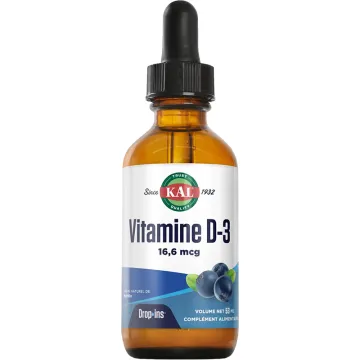
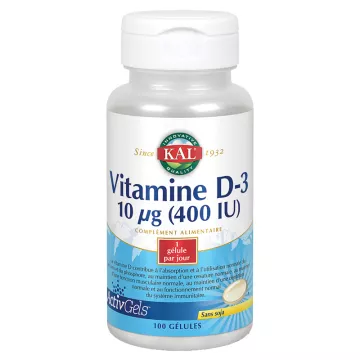
- Vitamin D3: essential for the intestinal absorption of calcium and phosphorus — deficiency → hypocalcemia → demineralization (rickets in children, osteomalacia in adults) — 1,000 to 2,000 IU/day — EFSA claim regarding calcium and bone health
- Magnesium: a cofactor for osteoblast activity — activates vitamin D — regulates calcium transport — 300 to 400 mg/day of bisglycinate
- Vitamin K2 (menaquinone MK-7): activates osteocalcin (a protein that binds calcium in the bone matrix) and inhibits arterial calcification — growing body of evidence regarding bone density — 90 µg/day (EFSA) — use with caution in patients taking vitamin K antagonists
- Fluoride: incorporated into hydroxyapatite → resulting in fluoroapatite that is more resistant to acids — local action on tooth enamel (fluoridated toothpaste 1,000–1,450 ppm) — EFSA claim regarding dental mineralization
- Zinc: cofactor for alkaline phosphatase (a key enzyme in bone mineralization) — 10 to 15 mg/day
Signs of demineralization and a remineralizing diet
- Warning signs of insufficient remineralization: bone fragility — fractures from minor trauma — diffuse bone pain — sensitive teeth and frequent cavities — muscle cramps (hypocalcemia) — brittle and fragile nails — recommended medical evaluation (serum calcium, 25-OH-vitamin D, BMD if > 50 years old)
- Remineralizing diet: whole dairy products or yogurt (calcium + phosphorus) — sardines and salmon (calcium + vitamin D) — leafy green vegetables (calcium + magnesium) — almonds and walnuts (calcium + magnesium) — egg yolks (vitamin D + K2) — limit substances that deplete minerals: alcohol, tobacco, excessive coffee, sugary carbonated beverages (phosphoric acid), excessively high-protein diets
- Consult a doctor before starting calcium supplementation in patients with a history of calcium kidney stones — medical consultation required for postmenopausal women (bone densitometry before supplementation)