What is fluoride, and how does it affect teeth and bones?
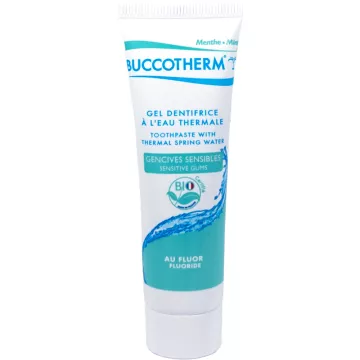
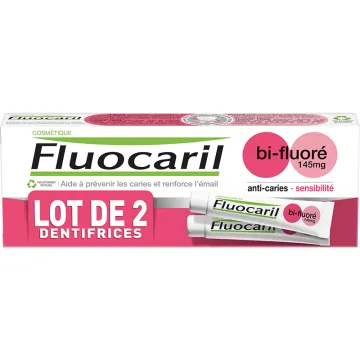
Fluoride (F⁻, fluoride ion) is a trace element found naturally in water, soil, and certain foods—the only one whose beneficial effects are almost exclusively on teeth and bones. It works by incorporating itself into the hydroxyapatite of teeth and bones to form fluorapatite [Ca₁₀(PO₄)₆F₂], which is 10 times more resistant to acid attacks than normal hydroxyapatite [Ca₁₀(PO₄)₆(OH)₂]. Discover our oral care product lines and our fluoride toothpastes, Elgydium and Fluocaril.
- Mechanism of dental protection: Fluoride (F⁻) replaces hydroxyl groups (OH⁻) in the hydroxyapatite of tooth enamel → formation of fluorapatite → resistance to dissolution by bacterial acids (critical pH of fluorapatite = 4.5 vs. 5.5 for hydroxyapatite) → fewer cavities
- Remineralization: Fluoride promotes the reprecipitation of minerals in areas of enamel partially demineralized by acids—this process is only possible before cavitation occurs → early and regular topical application
- Antibacterial activity: Fluoride inhibits the enolase enzyme of Streptococcus mutans (the primary cariogenic bacterium) → reduced production of lactic acid by dental plaque → dual effect (structural + antimicrobial)
- Bone and fluoride: Fluoride is also incorporated into bone hydroxyapatite—but its role in bone is secondary to that of calcium, phosphorus, and vitamin D3 —paradoxically, high doses of fluoride weaken bone (skeletal fluorosis)
- Fluorine vs. fluoride: Fluorine is the chemical element F₂ (a highly toxic gas)—fluoride (F⁻) is the ion used in dental health (sodium fluoride NaF, monofluorophosphate MFP)—toothpastes and supplements contain fluorides, never elemental fluorine
Dental and skeletal fluorosis: risks of excess
- Dental fluorosis: excessive exposure to fluorine during enamel formation (ages 0–7) → impaired mineralization → opaque white or brownish spots on permanent teeth — Dean’s stages (very mild → mild → moderate → severe with pitting) — main cause: accidental ingestion of toothpaste by young children
- Skeletal fluorosis: accumulation of > 10–20 mg/day of fluoride over many years → denser but more brittle bones + ligament calcifications + osteoarthropathy — observed in areas with naturally high fluoride levels (India, Ethiopia, geothermal areas) — extremely rare in France with normal fluoride intake
- Acute toxicity: accidental ingestion of large amounts of toothpaste by a child — toxic oral dose: 5–8 mg F/kg of body weight — symptoms: nausea + vomiting + excessive salivation + abdominal pain — call the poison control center in case of significant ingestion
- Narrow therapeutic window: between deficiency (tooth decay) and excess (fluorosis) — optimal range for water: 0.5–1 mg/L of fluoride — water naturally containing > 1.5 mg/L → not recommended (WHO)
- Water fluoridation (debate): practiced in the United States, Canada, Australia, and the United Kingdom — documented reduction in tooth decay + scientific concerns about long-term neurological effects — not practiced in France (source of fluoride: toothpaste considered sufficient)
Fluoride and Toothpaste: Practical Recommendations
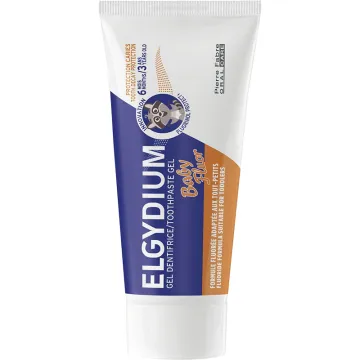
- Infants (0–2 years): fluoride-free toothpaste or up to 500 ppm — amount: a trace (a grain of rice) — infants cannot spit out toothpaste → risk of ingestion and fluorosis
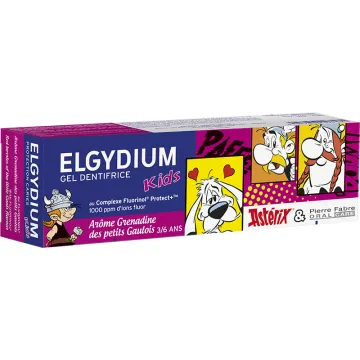
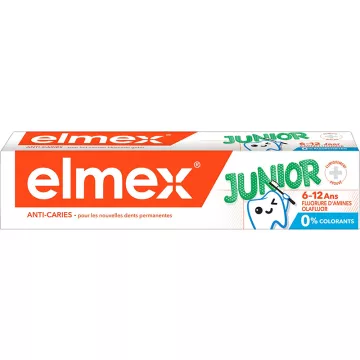
- Children (2–6 years): toothpaste 500–1,000 ppm — amount: pea-sized (0.5 cm) — gradually teach them to spit it out — avoid toothpastes with attractive fruity flavors (risk of intentional swallowing)
- Children over 6 years and adults: toothpaste 1,000–1,500 ppm — amount: 1–2 cm on the brush — brush 2 × 2 min/day — do not rinse thoroughly after brushing (would remove the fluoride)
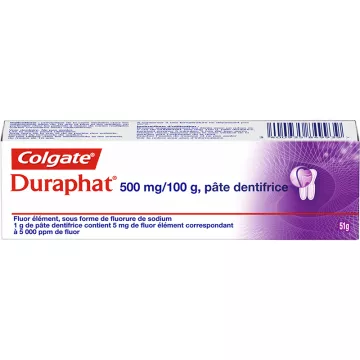
- High risk of cavities (adults): high-concentration toothpaste 5,000 ppm (Duraphat, available by dental prescription) — fluoride mouthwashes 225 ppm (Fluocaril, mouthwash) — fluoride varnishes applied by the dentist (22,500 ppm)
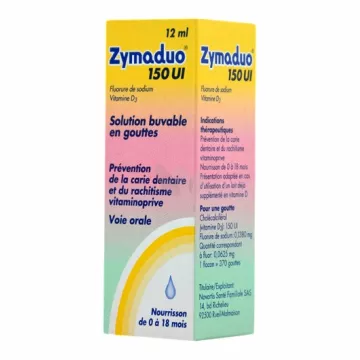
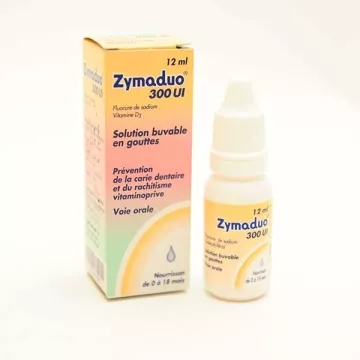
- Recommendations from the SFP (French Society of Pediatrics): no more routine prescriptions for fluoride tablets since 2002 — fluoride supplements only if drinking water < 0.3 mg/L AND the child is at high risk for tooth decay — consultation with a pediatrician and pediatric dentist
Dietary sources, RDA, and precautions
- Natural sources: black and green tea (1–2 mg/L per cup) — canned fish with bones (sardines, salmon) — seafood — tap water (0.05–0.5 mg/L in France, depending on the region) — mineral waters: Vichy Célestins (8 mg/L), Badoit (0.4 mg/L)
- RDA for fluoride (EFSA): infants 0–6 months: 0.01 mg/kg/day — children 1–3 years: 0.5 mg/day — children 4–8 years: 1 mg/day — adolescents and adults: 3.4 mg/day (men) / 3.1 mg/day (women) — tolerable upper intake level for adults: 7 mg/day
- Average intake in France: 1–2 mg/day — primarily through toothpaste and diet — supplementation with tablets is rarely necessary except in documented high-risk situations for tooth decay
- The combination of calcium, phosphorus, and fluoride: the fundamental triad of dental mineralization — prenatal supplements often combine calcium, vitamin D3, and fluoride to promote the remineralization of fetal and infant teeth
- Precautions: renal insufficiency (reduced fluoride excretion—risk of accumulation)—areas with naturally fluoridated water > 0.5 mg/L → avoid all fluoride supplements—pregnant women: no fluoride supplementation without analysis of drinking water