Why should you incorporate a protective skincare product into your beauty routine?
A protective skincare product is essential for preserving the skin’s barrier and defending it against external aggressors: pollution, UV rays, cold, wind, and weather changes.
It helps maintain the skin’s hydration, suppleness, and radiance, and helps visually minimize the signs of aging, redness, and feelings of discomfort.
Whether for the face, lips, hands, or hair, a protective skincare product acts as a shield against daily aggressors while visually supporting the skin’s natural resilience.
What are the main benefits of a protective skincare product?
Using a protective skincare product offers several cosmetic benefits:
- Long-lasting hydration: locks moisture into the outer layers of the skin, reducing dryness and dehydration.
- Visible support for the skin barrier: a temporary occlusive layer that limits transepidermal water loss.
- Support against skin aging: antioxidants that limit cellular oxidation, visually reducing the appearance of wrinkles and dark spots.
- Protection against UV rays and pollution: some protective skincare products contain antioxidants and sun filters (minimum SPF 30 recommended).
- Soothing effect: reduces feelings of tightness, particularly in winter or after sun exposure.
What types of protective skincare products are available for the face?
There are several protective skincare products for the face, depending on your needs:
- Protective moisturizer: formulated with hyaluronic acid and glycerin, it helps maintain the skin’s moisture balance.
- SPF sunscreen: essential for helping to prevent photoaging and hyperpigmentation (see our sun protection tips).
- Antioxidant serum: containing vitamin C, vitamin E, niacinamide, polyphenols, or resveratrol to combat free radicals.
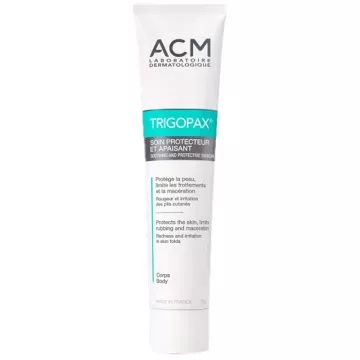
- Barrier balm: Suitable for sensitive and reactive skin, it creates a protective film and promotes skin comfort.
Ideally, choose a protective skincare product suited to your skin type and environment (polluted urban areas, harsh weather conditions, frequent shifts between heating and air conditioning).
Why protect the skin from external aggressors?
The skin is exposed daily to numerous aggressors that can alter its appearance:
- UV rays: the leading cause of photoaging (up to 80% of visible aging, according to dermatological studies), wrinkles, and age spots.
- Pollution: Fine particles, heavy metals, and tropospheric ozone accelerate cellular oxidation and visibly weaken the skin barrier.
- Climate changes: dry cold, wind, central heating, air conditioning, and travel to high altitudes can cause significant dryness.
- Stress, lack of sleep, and an unbalanced diet: factors that influence the production of free radicals and the skin’s appearance.
- Secondhand smoke: a recognized factor in premature skin aging.
A protective skincare product helps maintain the skin’s balance and minimize the visible effects of these factors.
Which ingredients should you look for in a protective skincare product?
A good protective skincare product generally contains several recognized active ingredients:
- Hyaluronic acid: a key moisturizer that supports skin suppleness.
- Ceramides and lipids: visibly support the skin barrier and limit transepidermal water loss.
- Vitamin C and vitamin E: antioxidants that combat oxidative stress and pollution. Vitamin C: may cause photosensitivity; store away from light.
- Niacinamide: soothes feelings of discomfort and visibly reduces redness and dark spots.
- Broad-spectrum UVA + UVBsunscreens, compliant with Regulation (EC) No. 1223/2009 (maximum SPF on EU labeling: SPF 50+).
- Shea butter and plant oils (jojoba, argan, sweet almond): nourish the skin and protect against the cold.
How to properly apply a protective skincare product?
For optimal effectiveness, follow these steps:
- Cleanse your skin with a gentle cleanser suited to your skin type.
- Apply an antioxidant serum (such as vitamin C in the morning) to boost protection against environmental stressors.
- Use a protective moisturizer to nourish and visibly support the skin barrier.
- Apply sunscreen with an SPF of at least 30 every morning (SPF 50 is recommended for prolonged sun exposure or for skin prone to dark spots), even in winter and even on cloudy days.
- Reapply sunscreen every 2 hours when outdoors, and after swimming or sweating.
Photosensitizing medications and cosmetics (cyclines, NSAIDs, amiodarone, retinoids, AHAs, BHAs, citrus fruits) require enhanced sun protection. Consult your doctor or pharmacist if you are currently undergoing treatment.
Why use a protective hair care product?
Like the skin, hair is exposed to environmental stressors that weaken the hair shaft. A protective hair care product helps preserve the health and shine of your hair against several factors:
- UV rays: oxidation of keratin, fading of colored hair, weakening of the hair shaft.
- Heat from styling tools (hair dryers, flat irons, curling irons): Limit temperature to a maximum of 180–210°C, and space out uses.
- Pollution: dullness and weakening of the hair shaft.
- Salt and chlorine (ocean, swimming pool): dryness, breakage, and loss of suppleness.
- Repeatedfriction (pillows, accessories): weakened ends.
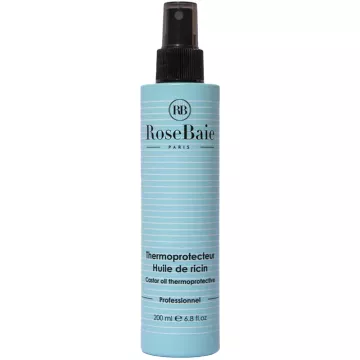
Protective hair care products come in the form of heat-protective sprays, oils, serums, or masks. Apply them before any exposure to harsh factors (before blow-drying, before swimming, etc.).
What protective products should you use for your hands and lips?
Hands and lips are particularly vulnerable to harsh weather conditions and frequent washing:
- Hand cream enriched with ceramides, shea butter, glycerin, and plant oils to maintain suppleness and prevent chapping. Apply after each hand-washing and before any exposure to cold weather or manual labor.
- Lip balm with shea butter, beeswax, vitamin E, or panthenol to protect the lip area from cold and wind.
- Cotton or lined leather gloves for extreme cold or repetitive manual labor.
Persistent chapped lips, red patches, or scabs: consult a dermatologist to rule out cheilitis, a contact allergy, or another condition. Avoid scented balms if you have sensitive skin.
Why is protective care essential?
Protective care is a cornerstone of a consistent skincare routine: it supports the visible health of the skin, hair, and lips against daily aggressors.
It plays an essential role in visibly maintaining the skin’s hydration, radiance, and suppleness, while helping to minimize the visible signs of aging.
By incorporating a protective skincare product tailored to your skin type, environment, and specific concerns, you can help minimize many skin issues and maintain comfortable, radiant skin all year round.