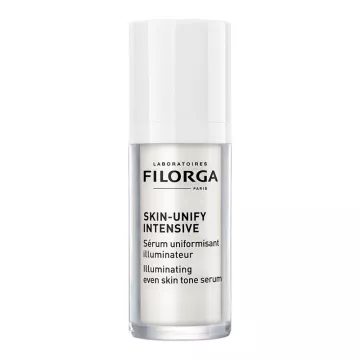
A pigmentary disorder refers to any localized variation in skin color compared to the surrounding skin, whether due to an excess or a deficiency of melanin. This term encompasses a wide range of conditions, from the most common brown spots to areas that are lighter than normal skin, each with its own specific mechanism and treatment approach—it is important to distinguish between them clearly before considering a targeted treatment. This page provides a general guide to help direct your search to the page best suited to each situation.
Hyperpigmentation refers to a localized excess of melanin, resulting in areas that are darker than the surrounding skin. Hypopigmentation, on the other hand, results from insufficient production or destruction of melanocytes, leading to lighter or even depigmented areas, as seen in vitiligo. These two opposing conditions require radically different cosmetic and medical approaches, making it essential to correctly identify the type of pigmentation defect before beginning any treatment.
The causes vary depending on the type of defect observed. On the side of excess pigmentation, hormonally-induced melasma andpost-inflammatory hyperpigmentation following a skin lesion are among the most well-documented mechanisms. Repeated sun exposure remains a common aggravating factor for most pigmentary disorders, whether they are hormonal, inflammatory, or age-related.
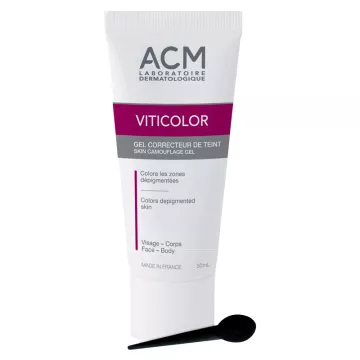
Vitiligo differs from other pigmentary disorders in its autoimmune origin: the immune system progressively destroys melanocytes, resulting in well-defined depigmented patches that are generally stable or progress in episodes. Another example of localized depigmentation, with a different cause, is pityriasis versicolor, a benign fungal skin infection that leaves lighter or darker patches after treatment; it should not be confused with a primary pigmentary disorder.
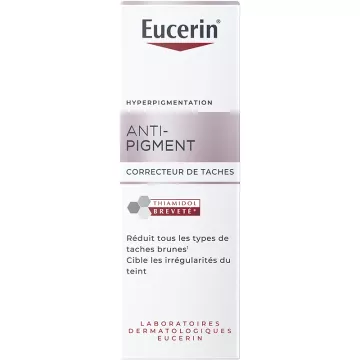
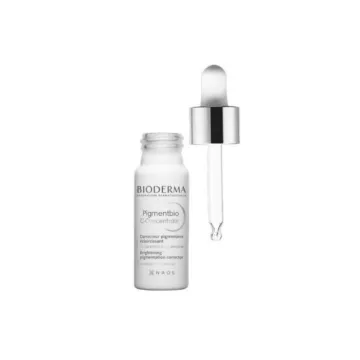
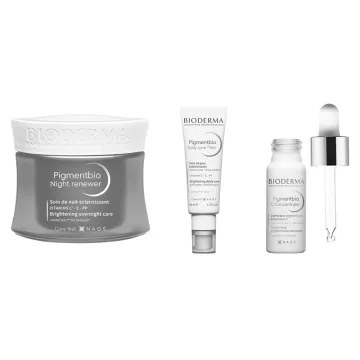
For imperfections caused by excess melanin, certain cosmetic active ingredients help visually even out the complexion: vitamin C works by inhibiting tyrosinase, the key enzyme in melanogenesis, while also providing additional antioxidant benefits. Regular and prolonged use is generally necessary before visible results can be observed. However, these active ingredients have no effect on pigmentation issues caused by a lack of melanin, which require a separate dermatological treatment.
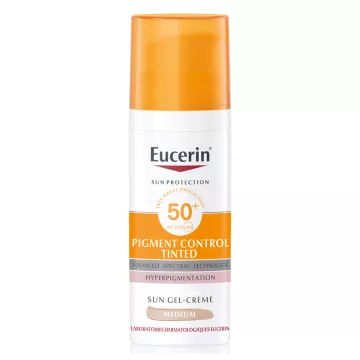
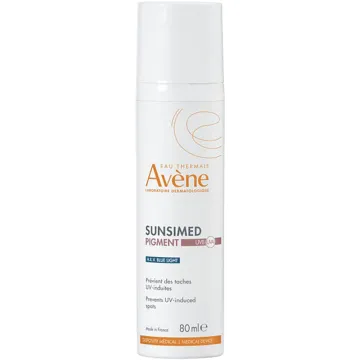
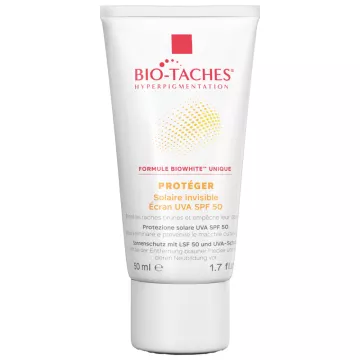
A dermatological consultation is recommended for any spot that appears rapidly, changes in shape, color, or size, or is accompanied by associated symptoms (itching, bleeding). Daily sun protection remains the standard preventive measure for all pigmentary disorders—whether they are already present or need to be prevented—by limiting their worsening due to UV radiation.