Physical exhaustion is a state of profound physical weariness that does not respond to ordinary rest—unlike simple fatigue, which generally resolves after a good night’s sleep or a weekend of rest, exhaustion persists despite rest and is accompanied by a range of associated symptoms. This distinction is clinically important: fatigue that does not improve after several days of adequate rest signals a deeper form of exhaustion requiring specific treatment. Typical physical manifestations include:
Physical exhaustion almost always results from a prolonged imbalance between energy expenditure (physical and mental exertion, stress) and the body’s ability to recover. Several physiological mechanisms underlie this condition:
A medical consultation is recommended if exhaustion persists despite several weeks of adequate rest, or if it is accompanied by alarming symptoms—chest pain, unusual shortness of breath with minimal exertion, unexplained weight loss—in order to rule out an underlying organic cause (anemia, thyroid disorder, heart disease).
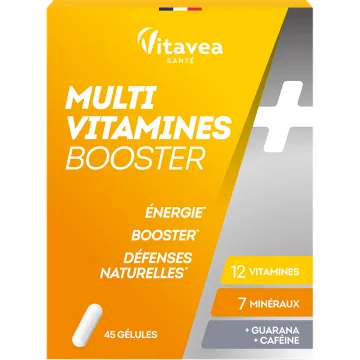
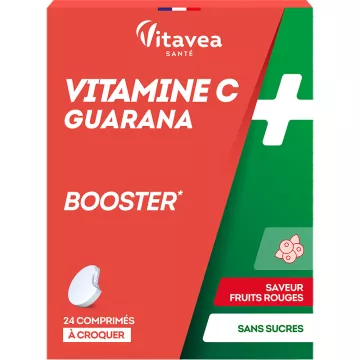
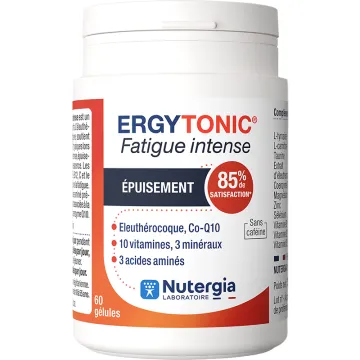
Iron (bisglycinate, which is better tolerated by the digestive system than ferrous sulfate) should be considered in cases of physical fatigue associated with shortness of breath on exertion, particularly in women of childbearing age—a blood ferritin test can confirm a deficiency before starting supplementation. Vitamin B12 and the B-complex vitamins are essential for cellular energy metabolism and red blood cell formation. Coenzyme Q10 is an essential cofactor in the mitochondrial respiratory chain—its synthesis decreases with age and oxidative stress, and supplementation supports cellular energy production, which is particularly useful in cases of persistent physical exhaustion or statin use (which reduce its endogenous synthesis).
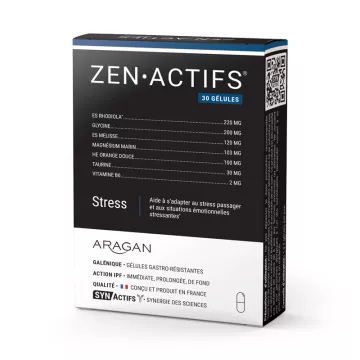
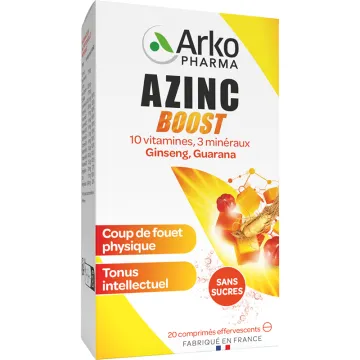
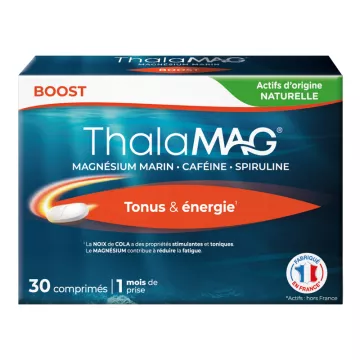
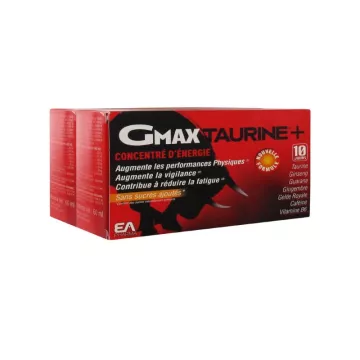
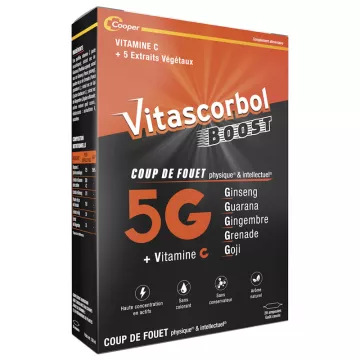
Magnesium bisglycinate (300 mg/day) is involved in more than 300 enzymatic reactions related to energy production and reduces muscle cramps and tension associated with exhaustion. Ginseng (Panax ginseng—standardized ginsenosides) supports physical endurance during periods of overexertion—contraindicated in cases of uncontrolled hypertension or severe insomnia. Rhodiola (an adaptogen) reduces physical and mental fatigue by improving the body’s overall resistance to stress—take in the morning; contraindicated in cases of bipolar disorder. Vitamins C and D3 support the adrenal glands, which are under strain from chronic stress. On a practical level, taking regular 5- to 10-minute breaks every hour and engaging in gentle physical activity (walking, swimming)—never intense during periods of exhaustion—promotes gradual recovery without further overloading the body.