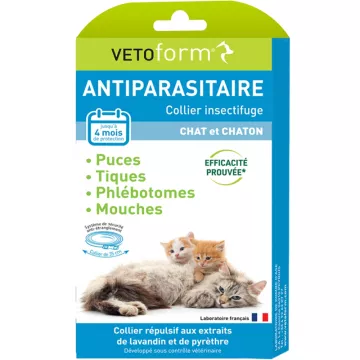
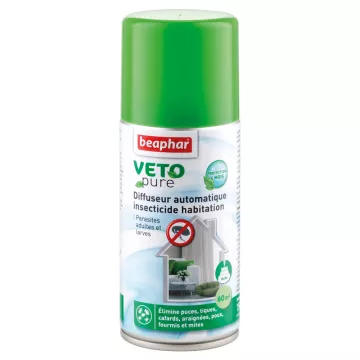
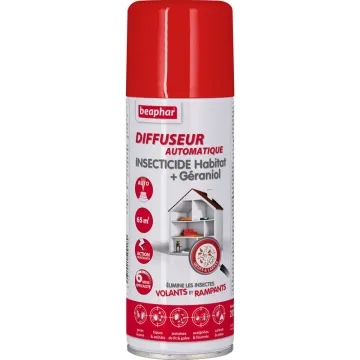
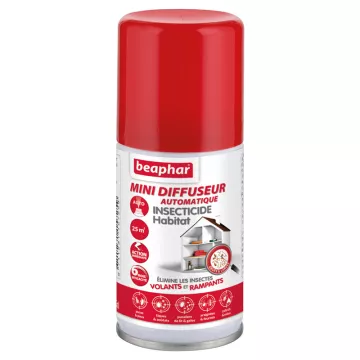
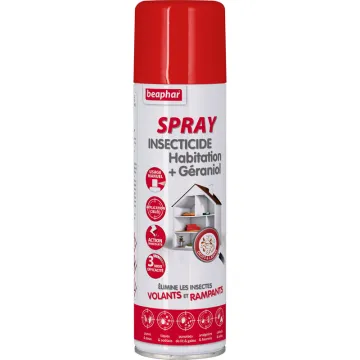
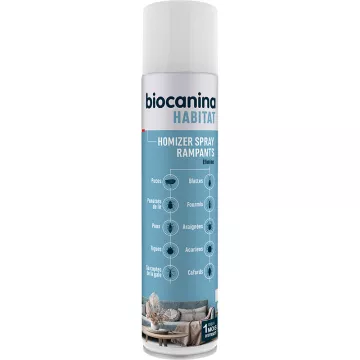
A household insecticide controls unwanted insects inside the home or in the immediate surroundings: mosquitoes, fleas, cockroaches, ants, and gnats. Sprays, diffusers, tablets, or powdered insecticides—each form is designed for a specific insect and situation. Check out our complete selection of mosquito and pest control products.
What is a household insecticide?
A household insecticide is a biocidal product designed to eliminate or repel pests inside the home or in the immediate vicinity. It differs from agricultural insecticides in its formulation, which is adapted for indoor use; its concentrations, which are regulated to ensure the safety of occupants; and its specific marketing authorization (MA). The main classes of active ingredients include pyrethroids, permethrin, and tetramethrin—as well as their natural alternatives.
Which household insecticides are effective against which insects?
Each target insect calls for a specific formulation or active ingredient.
- Mosquitoes: aerosol sprays or electric diffusers with plates or liquid for indoor use
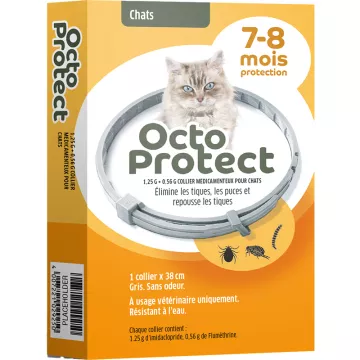
- Fleas (dog and catfleas ): fast-acting household sprays with residual effects; treatment of bedding and carpets is mandatory
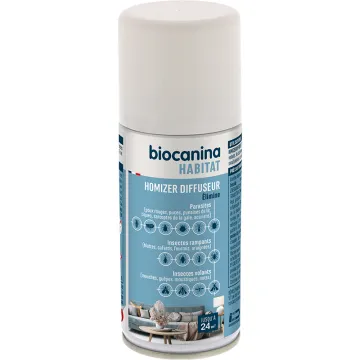
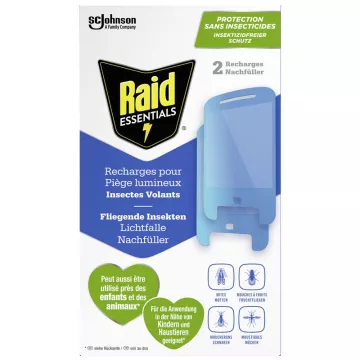
- Flying insects (variousflying insects ): electric diffusers, coil repellents, adhesive strips
- Crawling insects (cockroaches, ants): targeted bait gels, insecticide powders applied along edges
How do you use an insecticide indoors?
Indoor use requires strict precautions to ensure the safety of occupants.
- Leave the room during and after treatment (follow the recommended re-entry time)
- Remove pets and cover aquariums before application
- Do not treat near unprotected food preparation surfaces
- Ventilate thoroughly before re-entering the treated room
Natural insecticides: what are the alternatives?
Natural alternatives exist for environments with children or pets.
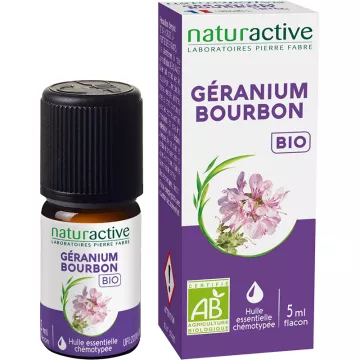
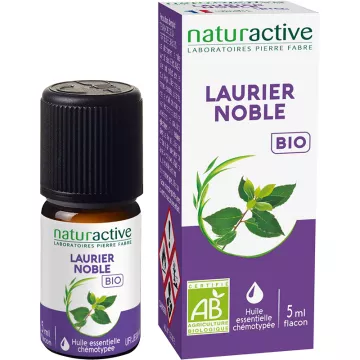
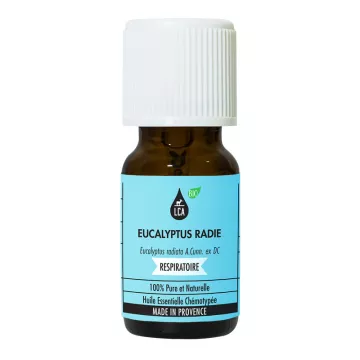
- Essential oils against insects: citronella, geraniol, lemon eucalyptus—diffuse or apply as a repellent
- Plant-based pyrethrum: a natural insecticide extracted from chrysanthemums, effective against many insects
- Diatomaceous earth: an inert, abrasive powder effective against hard-shelled crawling insects
- These alternatives have a shorter duration of action and require frequent reapplication
What precautions should be taken with household insecticides?
Household insecticides are regulated biocides subject to strict conditions of use.
- Wear gloves and avoid direct inhalation when spraying
- Never use in the presence of young children or infants without consulting a professional
- Strictly follow the dosages and application frequencies indicated on the label
- Do not mix different insecticides without professional advice
- Store out of the reach of children and away from heat
How do you treat your home against insects?
Treating your home involves a comprehensive protocol to prevent reinfestations.
- Treat both the pet and the home simultaneously for flea infestations (otherwise, reinfestation is certain)
- Use a residual insecticide on high-traffic areas
- Repeat the treatment after 2 to 3 weeks to eliminate any hatched eggs
- Treat insect bites with a soothing gel if exposure occurs before the full treatment is complete