What physiological effects does overeating cause?
An occasional overeating episode puts a strain on several systems:
- The digestive tract: The distended stomach empties more slowly, digestive enzymes are overwhelmed, and gas produced by intestinal fermentation increases. The result: a heavy feeling after eating, bloating, flatulence, and abdominal discomfort.
- The liver and gallbladder: A high-fat meal triggers intense gallbladder contractions. An excess of saturated fats over a short period overloads the hepatobiliary tract.
- The pancreas: A massive influx of carbohydrates and fats stimulates the secretion of insulin and pancreatic enzymes far beyond normal requirements.
- The cardiovascular system: postprandial hypertriglyceridemia temporarily increases blood viscosity and the production of oxidized LDL particles.
How can you improve digestion after overeating?
To improve digestion after overeating, the first few hours are the most important:
- A digestive walk (20 to 30 minutes): accelerates intestinal peristalsis and gastric emptying, and reduces bloating and postprandial blood glucose levels by 10 to 15 percent, according to studies.
- Avoid lying down within 2 hours of a heavy meal: lying down promotes gastroesophageal reflux and slows gastric emptying.
- Fennel (Foeniculum vulgare) tea: Its anethole relaxes the smooth muscles of the intestines, reducing flatulence and digestive spasms. It is most effective when consumed as a tea 20 minutes after a meal.
- Peppermint essential oil or tea: Menthol reduces bloating and the feeling of heaviness. Contraindicated in cases of active gastroesophageal reflux and in children under 30 months of age.
Which hepatobiliary herbs support the liver after overindulgence?
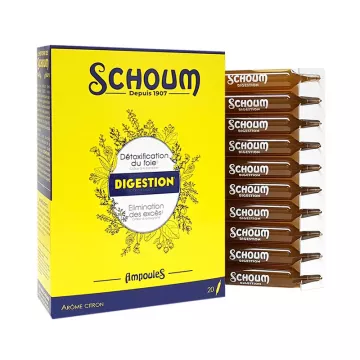
Several “cholagogue” herbs (which stimulate bile secretion) help the liver process excess fat:
- Milk thistle (Silybum marianum): Silymarin protects liver cells from oxidative stress and promotes their regeneration. It is the most clinically well-documented hepatoprotective supplement. Take as a 4- to 6-week course after a period of overindulgence.
- Artichoke (Cynara scolymus): Its caffeoylquinic acids stimulate bile production and flow, accelerating fat digestion and reducing postprandial liver heaviness.
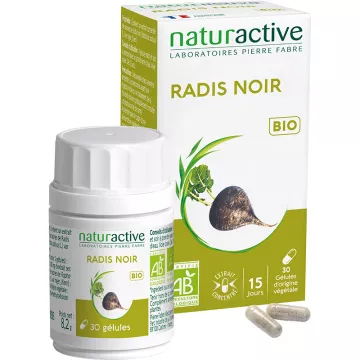
- Black radish (Raphanus sativus niger): stimulates bile secretion and promotes the liver’s detoxification of excess lipophilic compounds.
- Turmeric (curcuminoids): acts as a cholagogue and has anti-inflammatory effects on the liver. It improves bile flow and reduces hepatocyte inflammation associated with repeated lipid excess.
How do probiotics help the body recover from overeating?
Overeating temporarily alters the gut microbiota: bacteria that ferment excess carbohydrates and proteins produce more gas and pro-inflammatory metabolites. Probiotics (Lactobacillus acidophilus, Bifidobacterium lactis) strengthen the gut barrier and modulate fermentation to reduce gas production. Taken as a preventive measure before the holidays, they reduce digestive discomfort following overeating. When combined with prebiotics, they help restore a balanced microbiome within 48 to 72 hours.
Stomach Aches After Overeating: How to Relieve Them?
The most common post-overeating stomach symptoms are epigastric heaviness, nausea, heartburn, and acid reflux. Natural approaches to relieving stomach pain:
- Baking soda (1/2 teaspoon in a glass of water): temporarily neutralizes stomach acid. Not recommended for people with high blood pressure or on a salt-restricted diet.
- Montmorillonite green clay: a natural gastric coating that adsorbs excess hydrochloric acid. Take at least 2 hours apart from any medication.
- Ginger (Zingiber officinale): a proven antiemetic and prokinetic. As an infusion or extract, it reduces postprandial nausea within 30 to 60 minutes.
How can you prevent the effects of overeating during the holidays?
Prevention remains the most effective strategy during the holiday season:
- Don’t sit down to eat when you’re extremely hungry: a light snack (protein + fiber) 1 to 2 hours beforehand reduces the amount you eat.
- Eat slowly (at least 20 minutes per meal): the central satiety signal takes 15 to 20 minutes to kick in. Eating too quickly consistently leads to overeating.
- Take a preventive course of hepatobiliary herbs (milk thistle, artichoke, black radish) in the 2 weeks leading up to a period of overindulgence.
- Support bowel regularity through adequate hydration and fiber intake to facilitate the elimination of food waste.