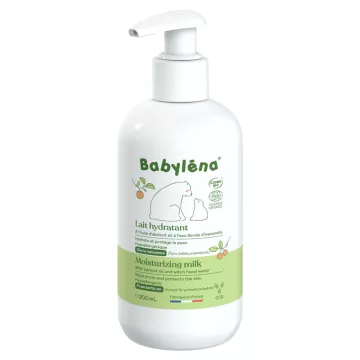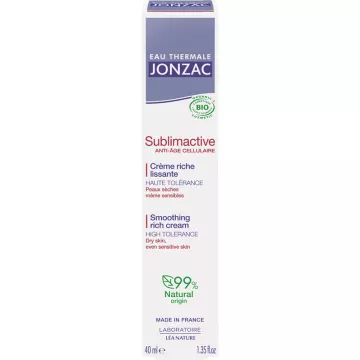
An organic skincare product refers to any cosmetic formulated using ingredients derived from organic farming, in accordance with strict specifications.
These products exclude synthetic chemicals such as pesticides and herbicides, and prioritize natural ingredients with a reduced ecological footprint.
The main goal of organic skincare is to offer an alternative that is gentler on the skin and the environment, without compromising on cosmetic effectiveness.
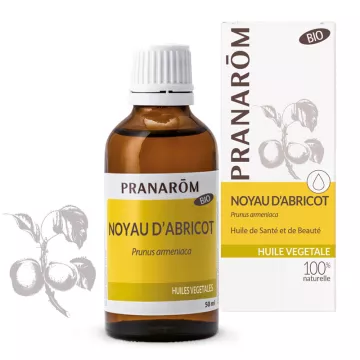
Discover our selection of organic plant oils, which form the basis of many natural skincare products available at pharmacies.
Organic skincare products offer several distinct advantages over conventional skincare:
To identify an authentic organic skincare product, always check the labels and certifications printed on the product’s packaging.
Three labels are recognized in the European organic cosmetics industry:
Yes, organic skincare is suitable for all skin types, including sensitive and reactive skin.
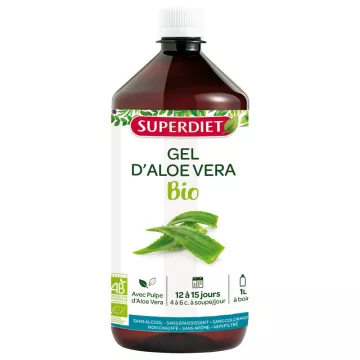
They rely on gentle, nourishing active ingredients such as aloe vera, jojoba oil, and shea butter, which address most skin needs.
Always check the ingredient list and perform a patch test on the inside of your elbow before first use, especially if you have a history of allergies.
Organic skincare products generally cost a little more than conventional products due to higher production costs.
This difference stems from the requirements of organic farming, certification processes, and enhanced ingredient traceability.
Many consumers consider this additional cost justified by the quality of the active ingredients and the long-term benefits for the skin and the environment.
Organic skincare products are now widely available through several distribution channels:
Organic skincare products are generally considered safer for children because they do not contain synthetic chemicals.
Be sure to choose products specifically formulated for children or babies, with ingredients that respect the particular sensitivity of their skin.
Consult a pharmacist or pediatrician before introducing a new product into a child’s routine, especially if it contains essential oils, which are not recommended for use before a certain age.
Yes, you can definitely make your own organic skincare products at home using ingredients available at pharmacies or specialty stores.
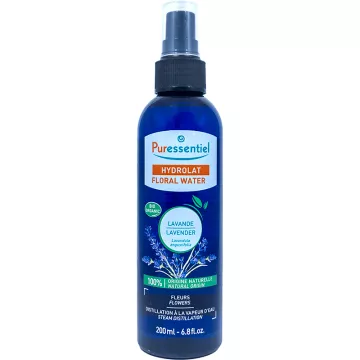
Vegetable oils, natural butters, essential oils, and aromatic hydrosols serve as the base for a wide variety of customizable recipes.
It is essential to follow reliable recipes and the specified measurements to avoid any risk of skin irritation, allergies, or improper preservation of the final product.
Several brands are leaders in the world of organic skincare thanks to the quality of their formulations and the integrity of their approach:
Among the most valuable active ingredients in organic skincare, four cosmetic stars stand out for their versatility:
Organic skincare products often contain preservatives, but these are generally of natural origin or authorized by organic standards.
Common ingredients include benzyl alcohol, dehydroacetic acid, or grapefruit seed extract, which ensure the product’s microbiological stability.
These natural preservatives ensure safe use without relying on parabens or controversial synthetic preservatives.
Most organic skincare brands adhere to strict animal welfare standards and do not conduct any animal testing.
Look for Cruelty-Free or Leaping Bunny certifications, which guarantee that no animal testing is conducted at any stage of production.
Since 2013, European regulations have also banned animal testing for cosmetics sold in the European Union.
Yes, there are organic skincare products specifically formulated for problem skin, blemished skin, or skin prone to acne.
Tea tree essential oil is known for its antibacterial and anti-inflammatory properties on acne-prone skin.
Green clay purifies the skin and regulates excess sebum, making it particularly useful for combination to oily skin prone to blackheads.
Always choose products suited to your skin type and concerns, and consult your pharmacist if you havemoderate to severe acne that requires medical advice.
Organic skincare products contribute to environmental sustainability at several stages of their life cycle:
There are a few limitations to using organic skincare products that are worth knowing before making the switch: