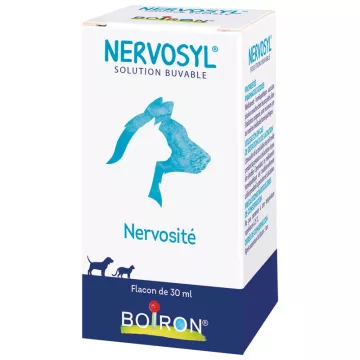
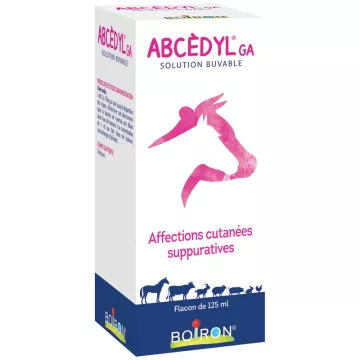
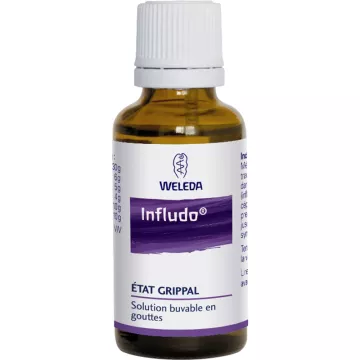
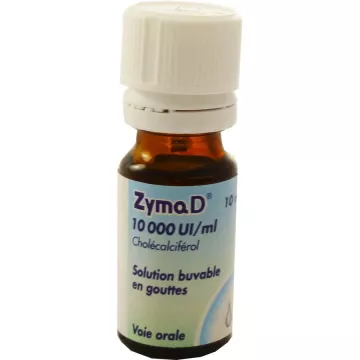
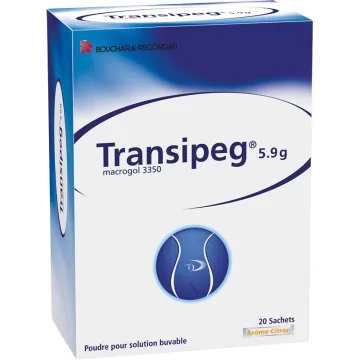
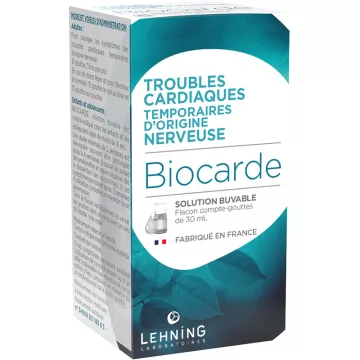
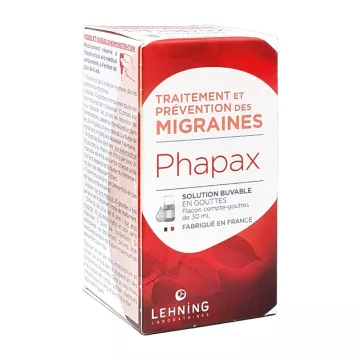
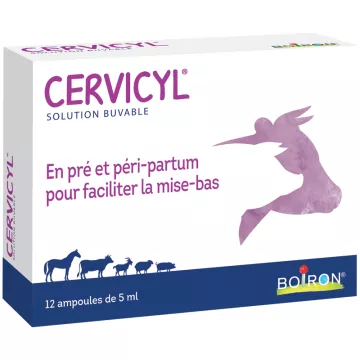
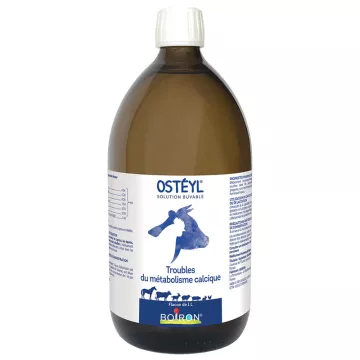
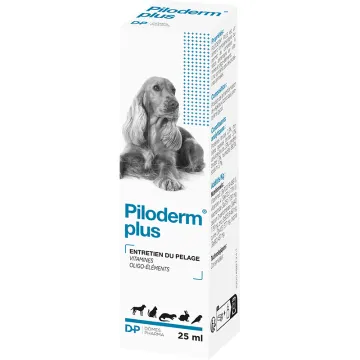
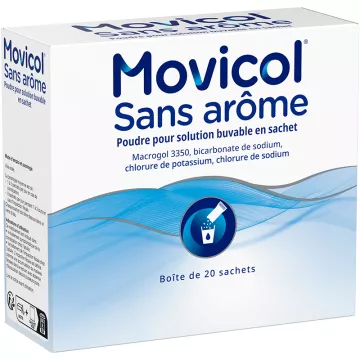
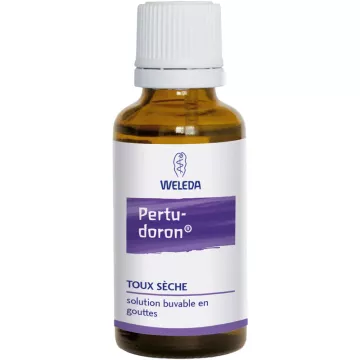
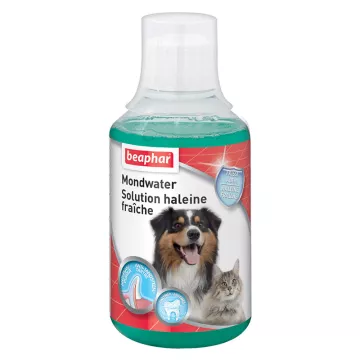
Oral solutions refer to liquid dosage forms intended for oral administration: oral ampoules, syrups, drops, solutions, and suspensions. In the over-the-counter (OTC) sector, they include OTC medications, liquid dietary supplements, and pediatric formulations. Their generally faster absorption and precise dosing make them essential for certain active ingredients and patient populations. Explore our oral ampoules and syrups for children.
What is an oral solution?
An oral solution is a liquid pharmaceutical or nutraceutical preparation intended for oral administration. It differs from solid forms (tablets, capsules) in that it is generally absorbed more quickly —the active ingredient is already in solution, eliminating the need for prior dissolution in the stomach. In pharmacies and drugstores, liquid forms include: solutions proper (active ingredient in true solution), suspensions (particles in suspension—shake before use), syrups (sweetened solutions), oral ampoules, and drops. Each form has its own characteristics regarding stability, shelf life, and dosage.
What are the advantages of oral solutions?
Liquid forms offer specific advantages over solid forms in certain situations.
- Rapid absorption: The active ingredient, already dissolved, is directly available for gastrointestinal absorption—shorter onset of action for rapidly absorbed molecules
- Flexible dosing: dose adjustment in milliliters based on weight or age—ideal for pediatrics and geriatrics
- Ease of administration: for people who have difficulty swallowing solid forms (dysphagia, young children, seniors)
- Liquid dietary supplements: certain active ingredients, such as marine magnesium, vitamin C, or melatonin in sublingual spray form, have improved bioavailability in liquid form
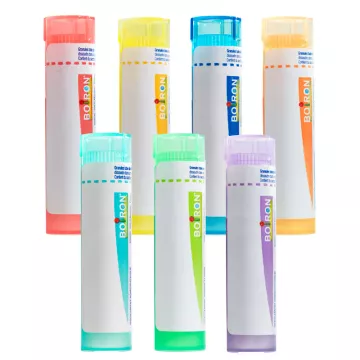
- Homeopathic ampoules in oral solution form are available in our product line
Oral solutions in pediatrics?
The liquid form is the standard dosage form in pediatrics —it allows for precise dose adjustment based on the child’s weight.
- Always use the measuring device provided with the medication (oral syringe, graduated measuring spoon)—household spoons are not accurate
- Express the dose in milliliters or milligrams based on weight—never in unmarked spoons
- Graduated oral syringe: insert into the cheek (not the throat) and administer gently
- Pediatric syrups for coughs, fever, or digestive problems: see our line of children’s syrups
- Ingredients to be aware of for children: alcohol (not recommended for children under 3), colorants E102/E110, aspartame (phenylketonuria)—read the package insert
Dietary supplements in oral solution form?
Several nutraceutical active ingredients are particularly well-suited to oral forms due to their convenience or bioavailability.
- Vitamin D3 drops: precise dosing by drop, absorbed with the fats in a meal—the most convenient form for infants and seniors
- Probiotics in ampoules or vials: live cultures in solution—some formulations offer better survival through the gastrointestinal tract
- Oralnutritional supplements (ONS): high-protein solutions for malnourished individuals or those recovering from illness
- Melatonin sublingual spray: absorbed through the oral mucosa, with a faster onset of action than tablets
- Herbal medicine in solution (liquid plant extracts): mother tinctures, fluid extracts, whole fresh plant suspensions (SIPF)
Storage and Precautions for Oral Solutions?
Liquid formulations are more sensitive than solid ones— storage conditions are critical.
- Check the storage temperature on the packaging: at room temperature (15–25°C) or in the refrigerator (2–8°C), depending on the formulation
- Suspensions and emulsions: Shake well before use—the phases may separate when left to stand
- After opening: Check the use-by date (date by which the product should be used after opening) indicated on the bottle—often 1 to 4 weeks
- Store in the original bottle, tightly closed, protected from light
- Interactions: Some solutions are unstable when mixed with other medications—administer separately if multiple solutions are prescribed
Precautions for use and interactions?
Oral solutions require special attention to certain excipients and interactions.
- Alcohol: present in certain mother tinctures and herbal solutions—not recommended during pregnancy, for children, or when taking MAOIs
- Sugars and sweeteners: important for people with diabetes and those on a diet—check the sugar or sorbitol content (has a laxative effect at high doses)
- Colorants and preservatives (sodium benzoate, E200): may cause allergic reactions in sensitive individuals
- Drug interactions are the same as for solid forms—inform your doctor or pharmacist of any oral solutions you are taking
- Consult your pharmacist before combining multiple oral solutions or mixing them with food