
A senior cat over 10 years old (equivalent to about 56 human years) has physiological vulnerabilities that require monitoring and appropriate care. The most common health conditions in senior cats are:
Chronic fatigue, appetite disturbances, and reduced social interaction are often the first signs to investigate.
Aging is accompanied by an increase in oxidative stress and a decrease in endogenous antioxidant defenses. Vitamin E, vitamin C, and selenium make up the basic antioxidant trio. Quercetin (a flavonoid that inhibits lipoxygenase and cyclooxygenase) reduces inflammation associated with osteoarthritis, periodontal disease, and chronic kidney disease. Resolvins and protectins (derived from the omega-3 fatty acids EPA and DHA) constitute an anti-inflammatory pathway of active resolution and are increasingly being incorporated into feline joint supplements.
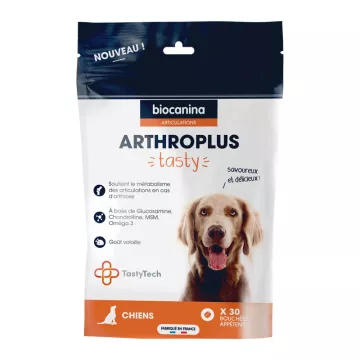
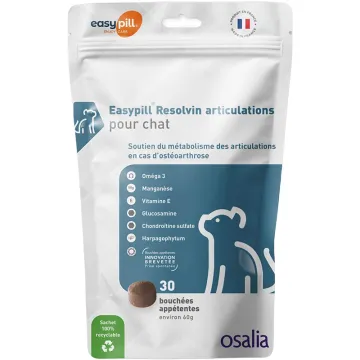
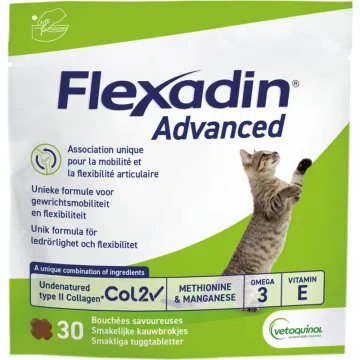
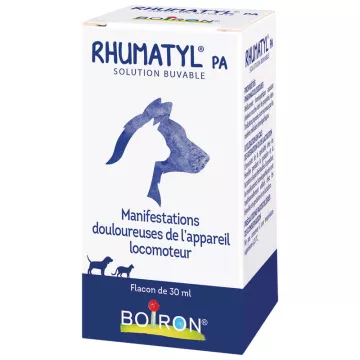
Feline osteoarthritis is very difficult to detect clinically—the signs are subtle: difficulty jumping onto furniture, incomplete grooming of the back and tail, and reluctance to use a litter box with high sides. Feline joint supplements (type II collagen, glucosamine, chondroitin, MSM, hyaluronic acid) in palatable pellets make it easier to ensure compliance in cats that are difficult to medicate. Coenzyme Q10 (ubiquinol) is a mitochondrial antioxidant essential for cellular energy production—its levels decline with age, with a particular impact on joint and heart cells. The added quercetin enhances the natural anti-inflammatory effect of the entire treatment regimen.
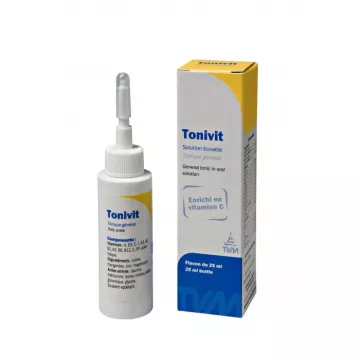
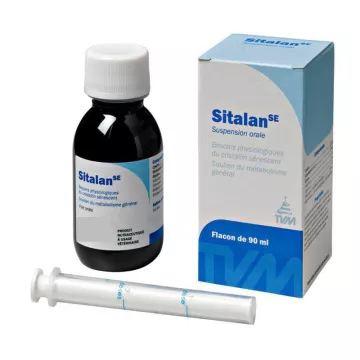
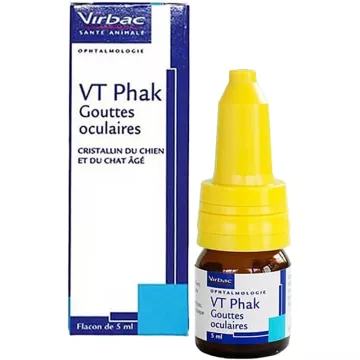
Eye conditions progress with age: secondary cataracts (linked to hypertension, common in cats with hyperthyroidism or kidney failure), retinal degeneration linked to taurine deficiency, and ocular hypertension. Lutein (an antioxidant carotenoid concentrated in the retina) protects photoreceptors from light-induced oxidative stress—preliminary studies suggest a beneficial effect on macular degeneration in older carnivores. A multi-vitamin supplement (A, B, D, E + trace minerals) in an oral solution is suitable for senior cats whose digestive efficiency declines with age.
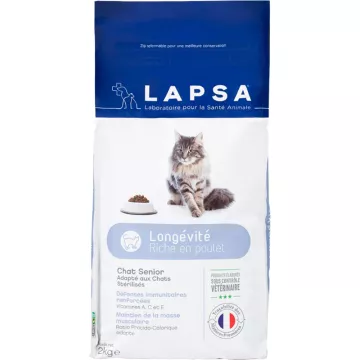
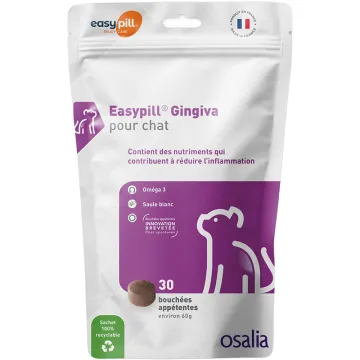
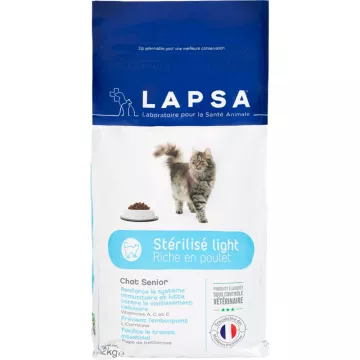
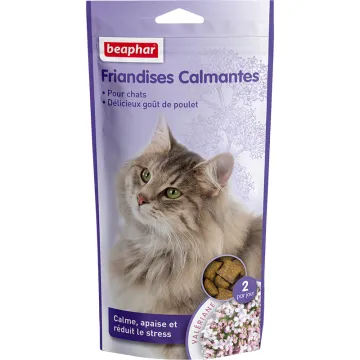
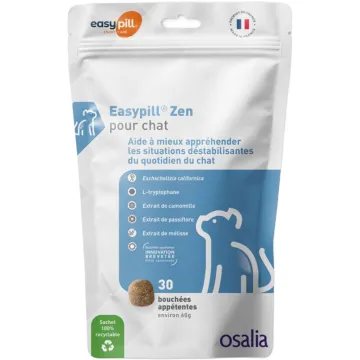
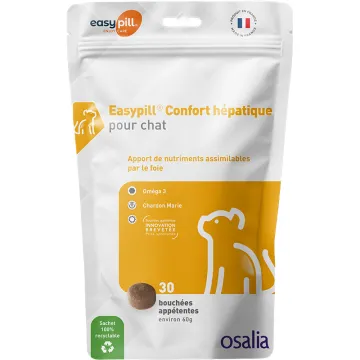
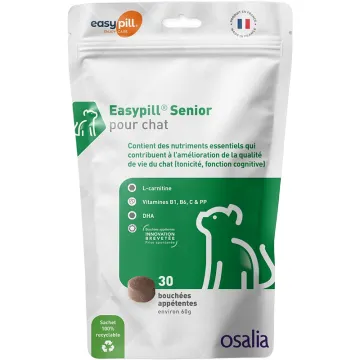
The diet should be adjusted starting at 7–8 years of age. Senior dry food reduces phosphorus intake (which is nephrotoxic in excess) without reducing protein—contrary to popular belief, older cats have maintained or even increased protein requirements. For cats with confirmed chronic kidney disease (CKD), phosphorus restriction is a priority and must be combined with phosphorus binders prescribed by a veterinarian. Medical-grade kibble or soft treats make it easier for cats with limited dentition to accept supplements. Sleep disturbances and nighttime disorientation in an older cat may indicate cognitive dysfunction syndrome, which should be evaluated by a veterinarian.