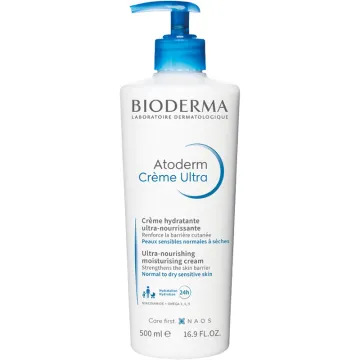
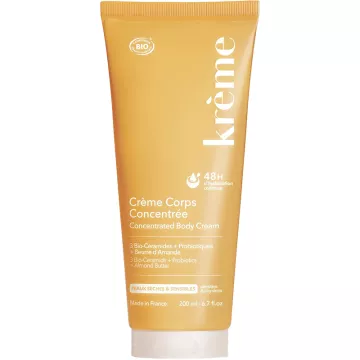
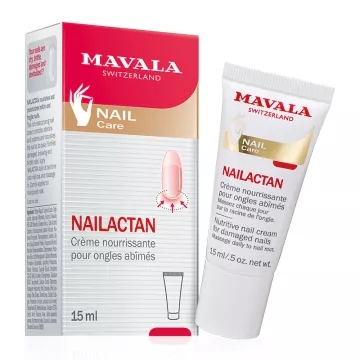
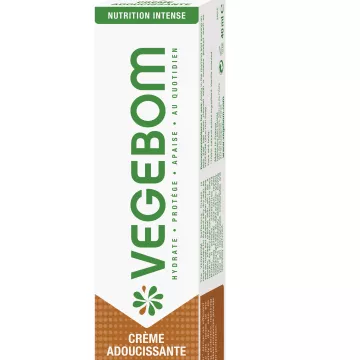
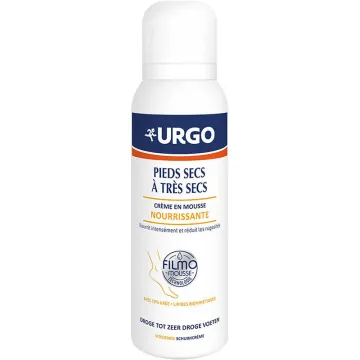
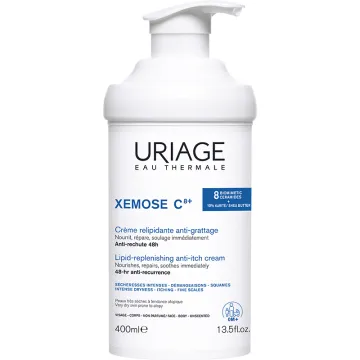
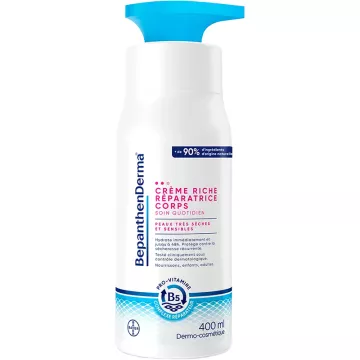
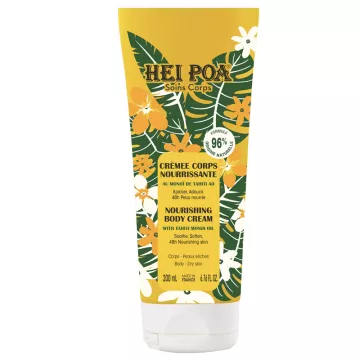
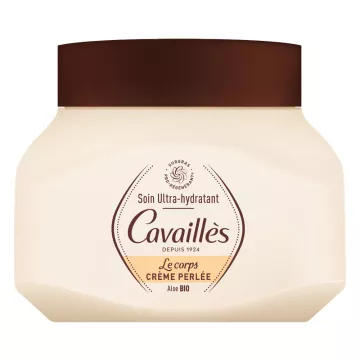
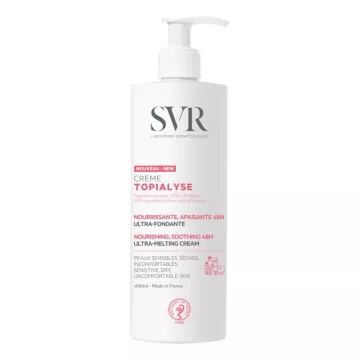
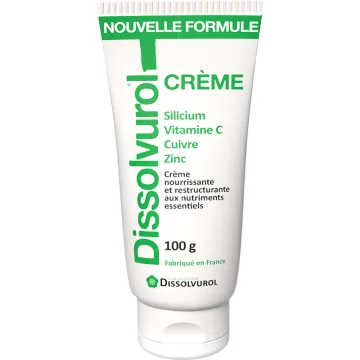
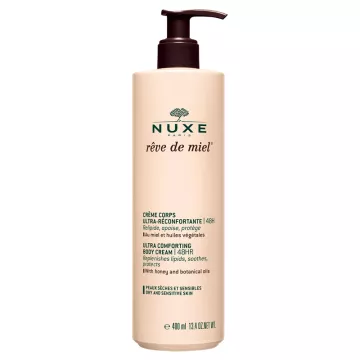
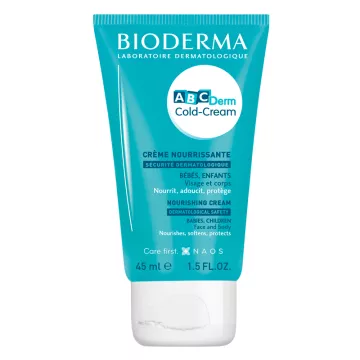
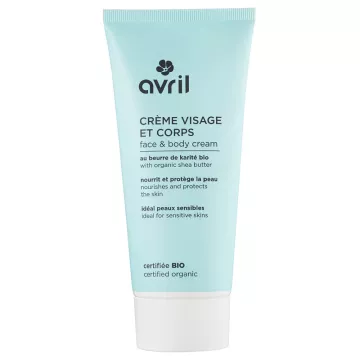
A nourishing cream is a cosmetic product formulated to hydrate, nourish, and strengthen the deep layers of the epidermis.
Rich in active ingredients (vitamins, essential fatty acids, antioxidants), it restores the skin’s hydrolipid balance, supports the skin barrier, and helps reduce the signs of aging.
It is particularly recommended for dry, sensitive, or mature skin, providing intense hydration and protection against external aggressors.
It stands out for its richer texture compared to a traditional moisturizer, designed to replenish the skin’s lipids.
The essential ingredients in an effective nourishing cream combine several families of complementary active ingredients:
Shea butter provides intense nourishment thanks to its high content of fatty acids and vitamins A, E, and F.
Argan oil, rich in vitamin E, nourishes the skin while protecting it from free radicals responsible for skin aging.
Aloe vera soothes and hydrates, collagen supports skin elasticity and firmness, while ceramides strengthen the skin barrier and preserve natural moisture.
To maximize the benefits of a nourishing cream, apply it to clean, dry skin, ideally after your evening cleansing routine.
This is the best time to apply it because the skin actively regenerates overnight, allowing the active ingredients to work deeply while you sleep.
A small amount is all you need: warm it between your hands before applying to release the active ingredients, then massage in upward, circular motions to stimulate microcirculation.
Focus on the driest areas (cheeks, around the mouth, neck) without overloading the more delicate areas.
Mature and dry skin types benefit particularly from a specially formulated nourishing cream.
It provides deep, long-lasting hydration, which is essential for combating persistent dryness, wrinkles, and age-related loss of elasticity.
It helps restore the skin’s hydrolipidic film and strengthen the skin’s resilience against environmental aggressors (cold, wind, pollution).
To complete your routine, browse our anti-aging skincare section in our online pharmacy.
A nourishing cream fits perfectly into a comprehensive and well-organized skincare routine.
Morning application order: cleansing, hydrating or anti-aging serum, nourishing cream, then sunscreen with at least SPF 30 as the final step.
In the evening, after cleansing and applying a targeted serum if desired, apply the nourishing cream as the final layer to lock in moisture and support nighttime regeneration.
Check the compatibility of the combined active ingredients (for example, use caution with retinol and exfoliating acids) and ask your pharmacist for advice if you’re combining multiple active skincare products.
The distinction between a moisturizer and a nourishing cream lies in their composition and specific function.
A moisturizer primarily delivers water to the outer layers of the epidermis through humectants such as glycerin or hyaluronic acid.
It is suitable for most skin types, particularly normal, oily, or combination skin that does not require a significant amount of lipids.
A nourishing cream, which is richer, restores essential lipids and provides deep protection, making it ideal for dry, mature, dehydrated, or sensitive skin.
Choosing a nourishing cream depends on your skin type, your specific needs, and the weather conditions.
For dry skin, opt for formulas rich in plant oils and plant butters (shea, cocoa, mango); explore our dry skin section.
For oily skin that needs light nourishment, opt for non-comedogenic formulas containing hyaluronic acid or aloe vera.
For sensitive or reactive skin, choose products that are fragrance-free, alcohol-free, and enriched with soothing active ingredients such as bisabolol, allantoin, or thermal water.
Any nourishing cream can potentially cause a skin reaction if its ingredients aren’t suitable for your skin type.
The most common reactions include rashes, redness, tingling, or the appearance of blackheads on acne-prone or combination skin.
Always perform a skin test on the inside of your elbow 48 hours before using the product extensively for the first time, especially if you have a known history of allergies.
Choose non-comedogenic products that are free of ingredients known to cause irritation (concentrated fragrances, denatured alcohol, certain essential oils); if a reaction persists, consult your pharmacist.
A moisturizing cream can serve as an ideal base under makeup, particularly on dry or dehydrated skin.
It prepares the skin, softens it, and provides a smooth surface that makes it easier to apply foundation for a more natural and long-lasting finish.
Be sure to let the cream fully absorb (5 to 10 minutes) before applying your makeup to prevent pigments from sliding or settling into fine lines.
For oily or combination skin, opt for a lighter texture in the morning to prevent shine and ensure your makeup stays in place throughout the day.
Using a nourishing cream can be beneficial year-round, with particular relevance depending on the season.
It’s especially useful during the winter, when cold weather, wind, and indoor heating severely dehydrate the skin and weaken the skin barrier.
In the summer, depending on your skin type, opt for a lighter formula during the day and use a nourishing cream as part of your nighttime routine to maintain optimal hydration.
Also adapt your routine to local weather conditions: the dry mountain air or northern climates call for more frequent use year-round.