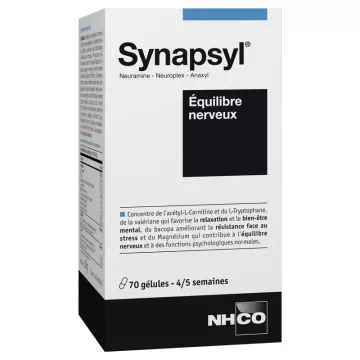
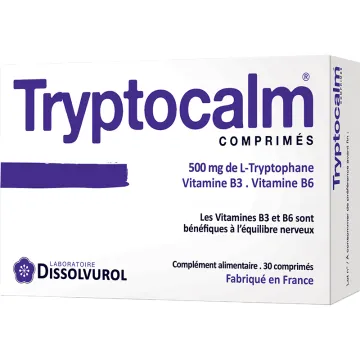
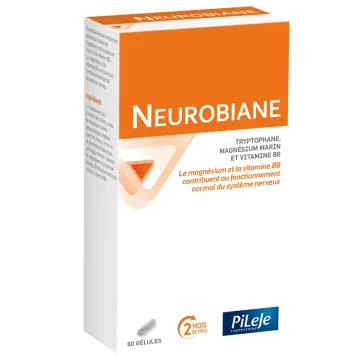
Nervous system balance refers to the state of optimal regulation of the autonomic nervous system (ANS), which constantly orchestrates involuntary vital functions—heart rate, digestion, immunity, and body temperature—between two opposing branches: the sympathetic nervous system (SNS—the “emergency/stress” mode) and the parasympathetic nervous system (PNS—the “rest/recovery” mode). Daily health and well-being depend on the harmonious alternation between these two modes. When chronic stress keeps the SNS in a constant state of activation, the body remains on high alert without being able to switch to recovery mode: cortisol and adrenaline build up, sleep quality deteriorates,anxiety sets in, and the digestive and immune systems become disrupted. Restoring nervous system balance is therefore a matter of overall health, not just psychological well-being. Supplements to support nervous system balance are available in the anti-stress line.
Nervous system imbalance manifests as a set of symptoms affecting multiple systems simultaneously—this multisystemic nature is characteristic:
The main causes are chronic stress (work-related, relationship-related, environmental), deficiencies in magnesium and B vitamins (cofactors for neurotransmitter synthesis), lack of sleep, a sedentary lifestyle, and a pro-inflammatory diet. In cases of severe or persistent symptoms, a medical consultation is essential to rule out an organic condition.
Relaxation and cardiac coherence (5 breaths per minute, 5 minutes, 3 times a day) are the most effective and immediate tools for shifting the nervous system from the sympathetic to the parasympathetic mode. Regular meditation restructures prefrontal cortex activity and reduces amygdala reactivity over the long term. In terms of micronutrients, magnesium (bisglycinate or malate—300 mg/day) is the primary nutrient to address: as a cofactor in GABA synthesis (the primary inhibitory neurotransmitter), it regulates neuronal excitability and reduces stress-induced hyperreactivity. B vitamins—particularly B12 —are essential for the synthesis of neurotransmitters (serotonin, dopamine, norepinephrine) and for the myelination of nerve fibers. Omega-3 EPA-DHA (1 to 3 g/day) reduce neurological inflammation and improve synaptic membrane fluidity. Griffonia (5-HTP—a serotonin precursor) supports mood and emotional balance—contraindications: SSRIs, IRSNs, tramadol, St. John’s wort. Valerian (EMA: well-established use) soothes nervous tension and promotes sleep. Rhodiola (adaptogen) boosts resilience to stress and reduces mental fatigue—take in the morning; contraindicated in bipolar disorder.