For safer tanning, choose times when UV intensity is lower: before 11 a.m. or after 4 p.m. in the summer.
Avoid direct sun exposure between noon and 4 p.m., when UV rays are at their strongest and the risks of sunburn, photoaging, and skin cancer increase significantly.
Adjust your sun exposure based on your skin type, altitude, latitude, and the day’s UV index (available on weather apps).
Opt for gradual, moderate sun exposure rather than prolonged exposure, which carries greater risks in both the short and long term.
Choosing the right sunscreen is essential for tanning while minimizing skin damage.
Opt for an SPF of at least 30, or ideally SPF 50 for fair skin, children, or prolonged exposure; check for the circled UVA logo (broad-spectrum protection).
For sensitive skin, choose fragrance-free, hypoallergenic formulas that are suitable for the specific area (face, body).
Reapply sunscreen every 2 hours, and always after swimming, heavy sweating, or drying off with a towel.
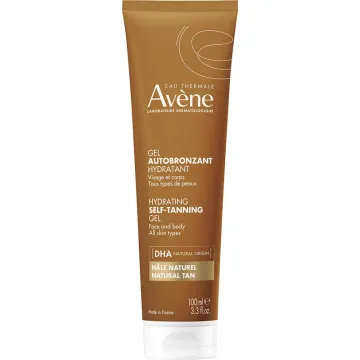
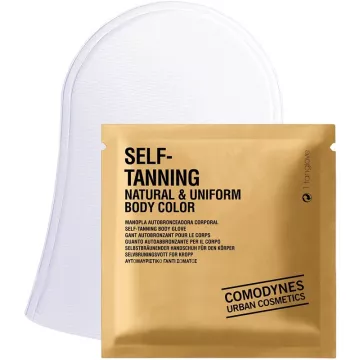
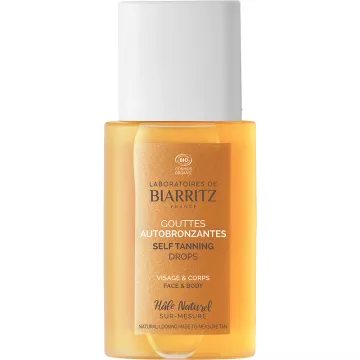
Self-tanning remains the safest way to achieve a tanned complexion without UV exposure.
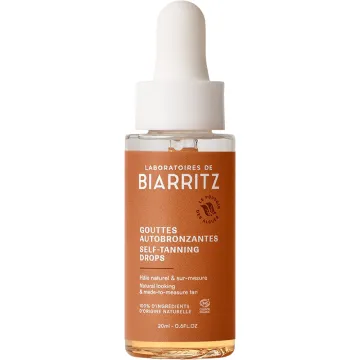
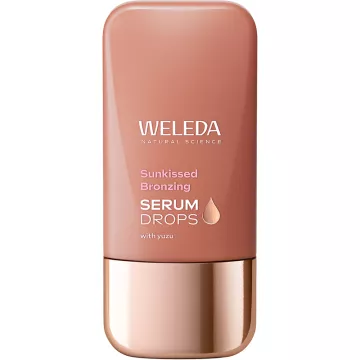
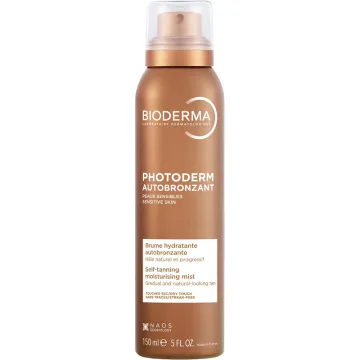
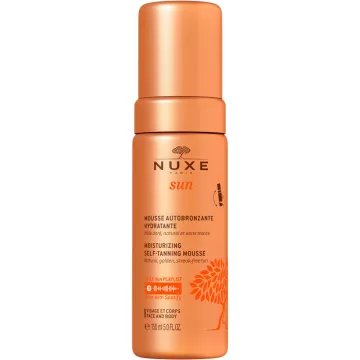
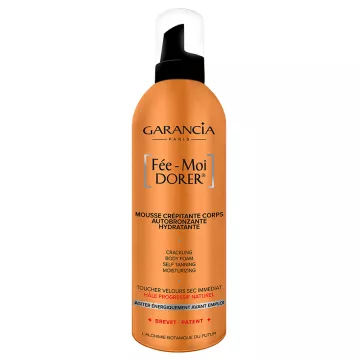
Available as lotions, foams, sprays, serums, or drops to mix, these products generally contain DHA (dihydroxyacetone), which temporarily tints the skin’s outer layer.
For an even result: exfoliate your skin before application, apply in thin layers, use sparingly on dry areas (knees, elbows, ankles), and wash your hands immediately afterward.
The tan usually lasts 5 to 7 days and fades as the skin naturally renews itself.
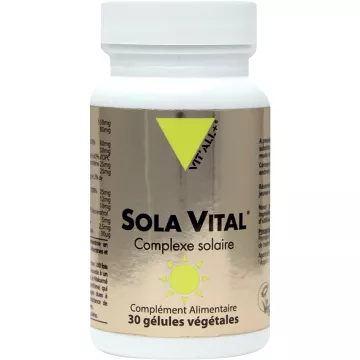
Several vitamins visibly support a healthy complexion:
Retinol (the cosmetic form of vitamin A) is photosensitizing: apply only at night and use at least SPF 30 the next day.
Several common mistakes can compromise the radiance of a natural tan and skin health:
To achieve a high-quality tan, several complementary approaches:
Reminder: Tanning is the skin’s defense mechanism against UV rays—not a sign of good health in itself.
Maintaining a tan in the fall and winter is possible with a consistent approach.
Use gradual self-tanning lotions or creams once or twice a week to maintain your tan.
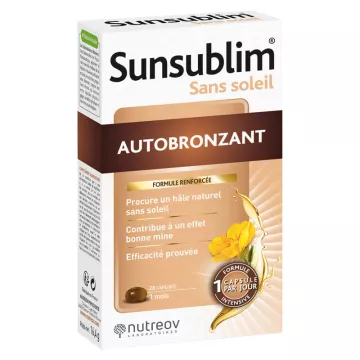
Adopt a diet rich in carotenoids—such as carrots, sweet potatoes, spinach, mangoes, apricots, and melon—which can give your skin a subtle tint and enhance its natural radiance.
Hydration is essential: drink plenty of water daily, use moisturizers for your face and body, and gently exfoliate once a week to maintain an even complexion.
Tanning beds, also known as “artificial tanning,” expose the skin to intense UV radiation (primarily UVB) that is often stronger than that of natural sunlight.
The International Agency for Research on Cancer (IARC, WHO) classifies UV radiation from tanning beds as a definite human carcinogen (Group 1), on par with tobacco and asbestos.
French health authorities (ANSM, INCa) strongly advise against their use, particularly for people under 30 and those with fair skin, due to the documented increase in melanoma risk.
For a safe tan, opt for cosmetic self-tanners (DHA) or a gradual, protected tan outdoors.
Several natural approaches can help achieve a tanned complexion, provided they are properly incorporated into a safe routine.
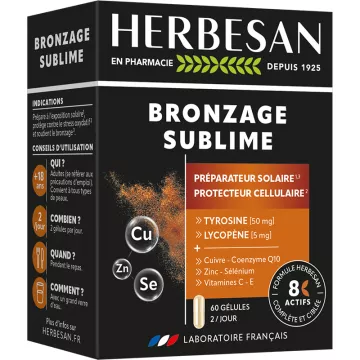
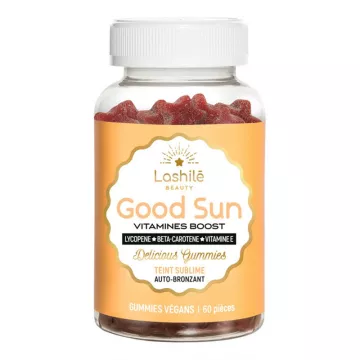
Diet: Foods rich in beta-carotene (carrots, sweet potatoes, apricots) and lycopene (tomatoes, watermelon), consumed about ten days before sun exposure, can give the skin a slight tint.
NEVER apply vegetable oils (coconut, carrot, traditional monoi without SPF) directly before or during sun exposure: this can cause a magnifying effect, photosensitization, and more severe sunburn.
Vegetable oils can, however, be used after sun exposure as a restorative treatment to nourish and soothe the skin.
Skin protection is the top priority for healthy, long-lasting tanning.
Always apply broad-spectrum sunscreen (SPF 30 or higher), wear a wide-brimmed hat, UV 400 sunglasses, and protective clothing during the hottest hours of the day.
For children: pediatric SPF 50 sunscreen and UV-protective clothing. For infants under 6 months: no direct sun exposure.
After sun exposure, nourish your skin with a moisturizing after-sun lotion containing aloe vera or shea butter; regular dermatological screenings are recommended if you have fair skin, a family history of skin cancer, or numerous moles.