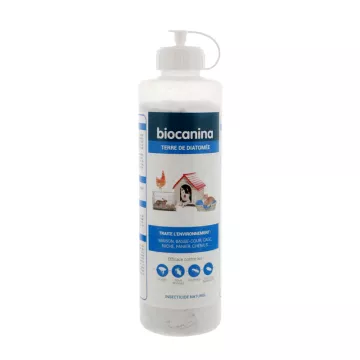
Natural insecticides offer an alternative to synthetic chemicals for repelling or eliminating unwanted insects in the home, on the skin, or around pets. Essential oils, botanical pyrethrum, diatomaceous earth, and geraniol: these active ingredients are available at pharmacies in approved and regulated forms. Check out our selection of essential oils for repelling insects.
What is a natural insecticide?
A natural insecticide is a product of plant, mineral, or microbial origin that repels or eliminates insects. Unlike synthetic chemical insecticides, it is generally less persistent in the environment. It is effective but often has a shorter duration of action, requiring regular reapplication. Natural insecticides are still biocides: they must be used with the same basic precautions as chemical products.
What natural insecticides are available for the home?
Several natural active ingredients are available at drugstores for treating the home.
- Plant-based pyrethrum: extracted from chrysanthemums, acts quickly on flying and crawling insects, breaks down rapidly without leaving persistent residues
- Geraniol: a repellent derived from geranium and palmarosa, effective against mosquitoes and certain biting insects
- Diatomaceous earth: an abrasive mineral powder that dehydrates insects with hard exoskeletons (fleas, cockroaches, ants)
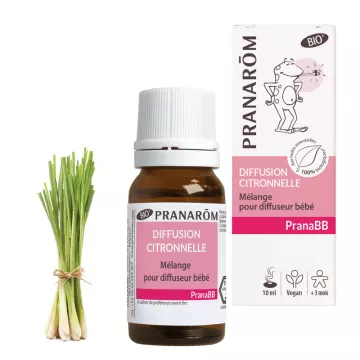
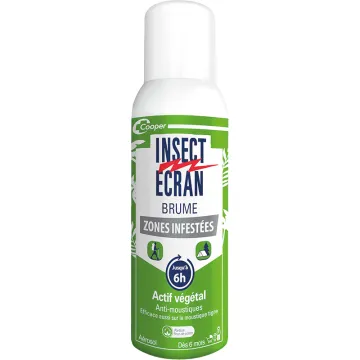
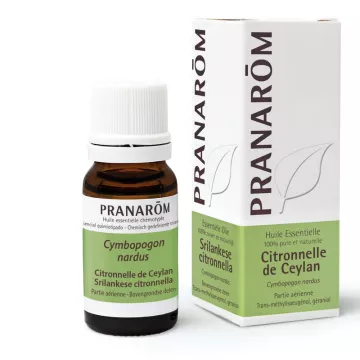
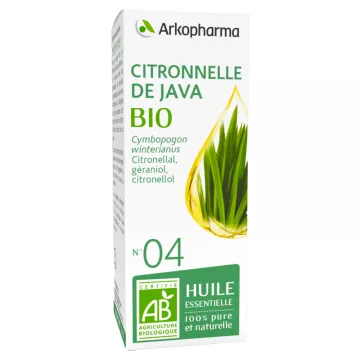
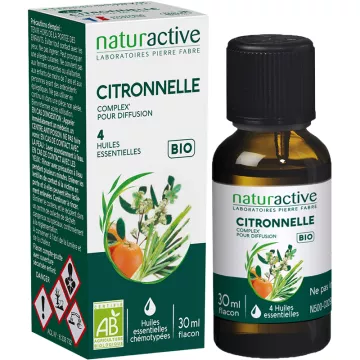
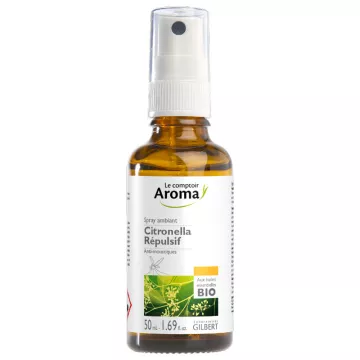
- Citronella: used as a diffuser or spray, a recognized repellent against mosquitoes indoors
Insecticidal Essential Oils: Which Ones to Choose?
Essential oils with repellent properties are the most commonly used in natural formulations for the skin and for diffusing.
- Lemon eucalyptus (Corymbia citriodora): one of the few essential oils validated by the WHO as a mosquito repellent
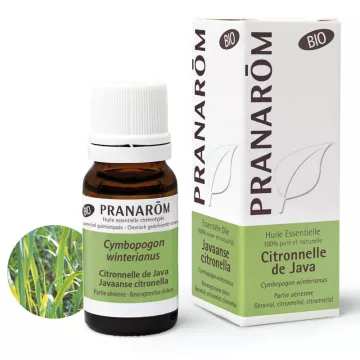
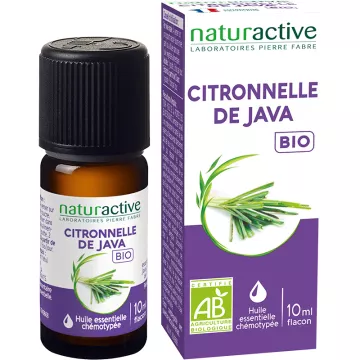
- Java citronella: effective when diffused and in personal protection products
- Lavandin or lavender: a mild repellent against mosquitoes and moths, suitable for diffusion
- Always dilute essential oils before applying to the skin—never use them undiluted on the skin; not recommended for pregnant women or children without professional advice
Are natural insecticides just as effective?
Their effectiveness is documented but depends on the context.
- In low-risk temperate zones: comparable effectiveness for everyday household use
- Short duration of action: 1 to 3 hours for essential oils used as skin repellents; reapply after swimming or sweating
- Insufficient on their own for areas at risk for malaria or dengue: an approved repellent (DEET, icaridin) remains the standard in these contexts
- Diatomaceous earth: reliable mechanical effectiveness against fleas but slow-acting (48 to 72 hours)
How to Use a Natural Insecticide Indoors?
Indoor application must follow the same basic precautions as for conventional insecticides.
- Diffuse insecticidal essential oils when no one is in the room for an extended period (then ventilate)
- Apply diatomaceous earth in a thin layer in high-traffic areas (baseboards, under furniture)
- Do not inhale the powder; wear a mask during application
- Treat insect bites with a soothing gel if exposed before the treatment is complete
Natural Insecticides: Are They Safe for Children and Pets?
Natural insecticides are not risk-free for sensitive individuals.
- Essential oils (EOs): Do not apply undiluted; not recommended for children under 3 years of age without medical advice; not recommended for cats (liver toxicity from several EOs)
- Plant-based pyrethrum: toxic to cats and fish—do not use near aquariums or on cat litter
- Diatomaceous earth: safe once dry, but irritating if inhaled—avoid rooms where pets or children might inhale the powder
- Always read the label and follow the recommended minimum age