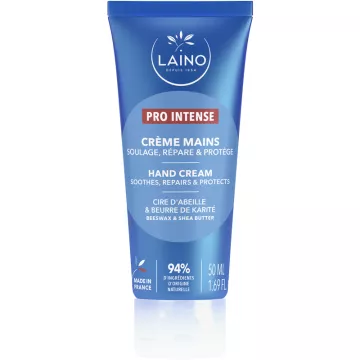
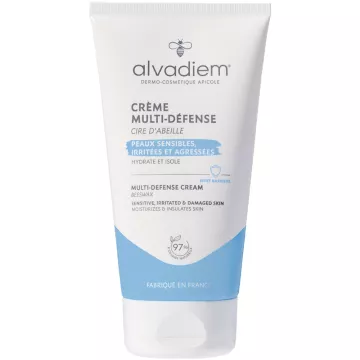
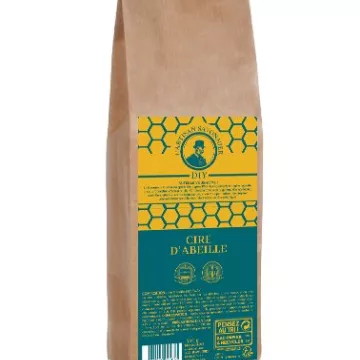
Natural beeswax refers to unrefined, unbleached wax that retains its original golden-yellow color and characteristic honey-like scent. It differs from industrial white wax (Cera alba), which has undergone a chemical bleaching process to meet the requirements of certain industrial applications. For a comprehensive overview of this bee-derived ingredient, visit the page dedicated to beeswax. Natural beeswax fits particularly well within an ecological and ethical approach: it values the product of the bees’ labor without any chemical processing. It belongs to the same family of bee products as honey, propolis, pollen, and royal jelly.
Traceability is a key criterion for truly natural beeswax:
Beeswax from local French or European beekeepers generally offers more rigorous traceability than wax imported from intensive beekeeping operations.
Several certifications indicate that the beeswax comes from a reliable source and adheres to ethical standards. The Bio AB label (French Organic Agriculture) and the Bio Europe label guarantee beekeeping in areas far from chemically treated conventional crops, as well as the absence of synthetic treatments on the colonies. The Nature & Progrès label imposes even stricter standards regarding animal welfare and sustainable beekeeping practices. Demeter certification (biodynamic) adds a requirement regarding the overall quality of the beekeeping environment. For cosmetic uses, the Cosmos Organic and Ecocert labels include beeswax in their natural specifications. The Apicultivons label (France) certifies particularly exemplary beekeeping practices. Brands distributed through specialized health and beauty stores (Pranarôm, Aroma-Zone, Centifolia, Florame) generally specify the origin and harvesting method of their beeswax.
Natural beeswax has many sustainable uses:
These uses help significantly reduce plastic waste and dependence on petrochemical-based products in everyday household life.
Making beewraps is easy and serves as an excellent introduction to beeswax. For 4 medium-sized beewraps, you’ll need 30 g of natural beeswax in pellets, 4 squares of organic cotton fabric (20 x 20 cm), parchment paper, and an oven preheated to 80 °C. Prepare each fabric square by placing it on parchment paper on a baking sheet. Sprinkle the wax pellets evenly over the fabric (about 7 to 8 g per beewrap). Bake for 4 to 5 minutes until the wax has completely melted and the fabric is visibly saturated. Remove from the oven and use a food-safe brush to spread the melted wax over any areas that aren’t fully saturated. Let cool on a wire rack for a few minutes. To care for your beewraps, wash them in cold or lukewarm water with mild soap; never use hot water, as this will melt the wax. Reapply the wax coating approximately every 6 to 12 months, depending on usage. Protect your skin’s natural barrier by wearing gloves if you have sensitive skin.
Pure beeswax candles give off a warm glow and a natural scent without releasing any petrochemicals. To make your own candles, you’ll need natural beeswax pellets, untreated waxed cotton wicks, thick glass containers or silicone molds, and a kitchen thermometer. Melt the wax in a double boiler, maintaining a temperature between 65 and 70 °C—never exceeding 80 °C—to preserve the quality and honey-like scent. Preheat the containers with hot water to prevent thermal shock during pouring. Place the wick in the center of the container and secure it with a clothespin held across it. Gently pour the melted wax, leaving 1 cm of space at the top. Let it cool slowly at room temperature for 24 hours before first use. For a scented candle, you can add a few drops of essential oil suitable for diffusion through heat just before the final pour.
Choosing natural wax is a way to support ethical beekeeping and help maintain bee populations, which are essential pollinators for biodiversity. Honeybees and wild bees are experiencing an alarming decline in Europe, linked to several converging factors: neonicotinoid pesticides, the Asian hornet (Vespa velutina), varroa mites, intensive monocultures, and climate change. Buying beeswax fromlocal beekeepers at farmers’ markets, through direct-to-consumer channels, or from specialized cooperatives helps ensure the long-term survival of sustainable beekeeping operations. AMAPs (Associations for the Preservation of Small-Scale Farming) sometimes offer beekeeping baskets that provide a direct connection to the producer. Beyond purchasing honey products, planting nectar-producing flowers in your garden or on your balcony (lavender, rosemary, borage, phacelia, sunflowers) provides additional support for bee biodiversity. Shared hives or hive sponsorship also allow you to actively participate in the preservation of bee colonies.
Beeswax can be recycled indefinitely, provided you follow a few precautions. For beewraps that have reached the end of their useful life after 12 to 18 months of use, you can gently scrape off the remaining wax with a knife, then remelt the recovered wax in a designated saucepan. Strain the melted wax through a cotton muslin cloth to remove any accumulated food impurities. Pour it into silicone molds or metal jars to let it solidify again and create reusable wax nuggets. For pure wax candles that are nearly burned out, collect the remaining wax at the bottom (5 to 10% of the original volume), remelt it, and pour it into a new container with a new wick. Residues from balm production (in the event of errors in proportions or texture) can also be remelted and reformulated. Never reuse wax that has been in direct contact with raw foods posing a health risk (such as fish or raw meat) for cosmetic purposes. This ability to be reused indefinitely makes natural beeswax a particularly sustainable and cost-effective material in the long term.