Post-exercise muscle soreness —scientifically known as DOMS (delayed onset muscle soreness)—is muscle pain that occurs 12 to 72 hours after unusual or intense physical exertion. It results from mechanical micro-injuries to muscle fibers and the surrounding connective tissue, which are particularly pronounced during eccentric contractions (the lowering phase of a squat, running downhill, or lowering a weight during strength training). The resulting local inflammatory response releases prostaglandins and bradykinins, which sensitize muscle nociceptors and account for the characteristic pain.
Muscle soreness generally peaks in intensity between 24 and 48 hours after exercise, then subsides spontaneously within 3 to 7 days. It is a sign of unusual mechanical stress but does not necessarily reflect the effectiveness of the workout. It is important to distinguish between mild muscle soreness:
Several natural active ingredients have strong evidence supporting their ability to reduce muscle soreness:
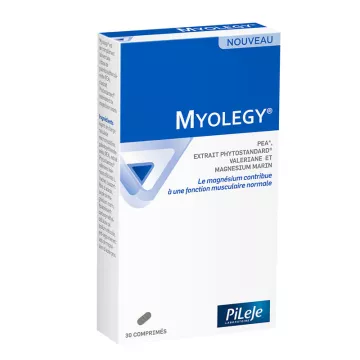
Magnesium contributes to normal muscle function and reduces fatigue—a recognized health claim. A deficiency, common among athletes due to sweat loss, increases neuromuscular sensitivity and can exacerbate the intensity of muscle soreness. Supplementing with highly bioavailable magnesium (bisglycinate, malate) helps correct this deficiency and supports muscle contraction and relaxation. In cases of cramps associated with muscle soreness, magnesium and electrolyte intake is particularly recommended.
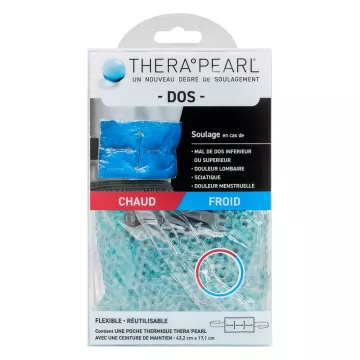
Paradoxically, complete rest is not the best strategy for dealing with muscle soreness. Active recovery—light walking, low-resistance cycling, gentle swimming, yoga—improves local blood circulation, promotes oxygen delivery to damaged muscle fibers, and accelerates the elimination of metabolic waste products. Studies show that 20 to 30 minutes of light activity reduces the intensity of DOMS without aggravating the underlying injuries. Massages, cryotherapy (cold baths within the first 24 hours), and elastic compression complement these non-pharmacological measures.
Preventing muscle soreness relies on a gradual approach and a nutritional strategy: