What Is Muscle Function and How Can You Optimize It?
Muscle function encompasses the muscles’ ability to produce strength, power, endurance, and stability—distinct qualities that require different nutritional and training approaches. Our muscle-building line and our sports wellness selection address these various needs.
- Maximal strength: the ability to generate maximum force in a single repetition—depends on muscle cross-sectional area and neuromuscular activation—enhanced by heavy weight training (1–5 repetitions)
- Explosive power: force × speed—crucial in team sports and combat sports—developed through plyometric exercises and ballistic movements
- Muscular endurance: the ability to maintain submaximal force over time—improved by long sets (15–30 repetitions) and endurance sports
- Thermogenesis: Muscles account for 20–30% of heat production at rest and up to 90% during exercise—muscle mass directly influences basal metabolism
What supplements support muscle function?
Muscle supplements work through different mechanisms depending on the goal—strength, endurance, or recovery. Find the right formulas in our muscle comfort line.
- Creatine monohydrate: the most extensively studied supplement in strength training—replenishes phosphocreatine stores (rapid ATP)—improves performance during short, intense efforts (< 30 seconds) and promotes muscle mass gain—3–5 g/day, no loading phase required
- Whey protein: rapidly absorbed whey protein—peak amino acid levels in 60–90 minutes—ideal for the post-workout anabolic window (30 minutes)—20–40 g per serving depending on body weight
- BCAAs (leucine, isoleucine, valine): reduce protein breakdown during exercise and stimulate protein synthesis (leucine = mTOR signal) — useful for workouts on an empty stomach or prolonged exercise
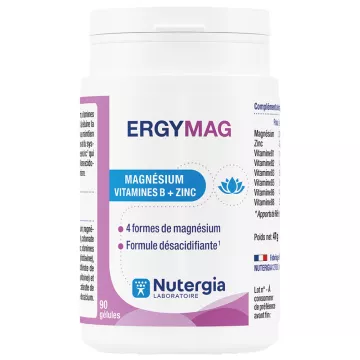
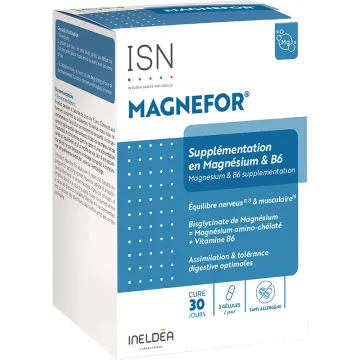
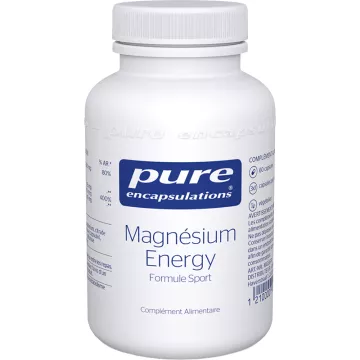
- Magnesium: a cofactor in over 300 enzymatic reactions, including ATP synthesis — essential for optimal muscle function — 300–400 mg/day
- Omega-3 (EPA/DHA): reduce post-workout inflammation and muscle soreness — benefit muscle anabolic sensitivity as we age (anti-sarcopenia)
How does training periodization optimize muscle function?
Periodization is the key to making progress without overtraining—structured cycle-based planning prevents plateaus and maintains long-term muscle health.
- Hypertrophy phase (4–6 weeks): 3–4 sets of 8–12 repetitions, slow tempo, 60–90-second rest — goal: to increase muscle cross-sectional area
- Strength phase (3–4 weeks): 4–6 sets of 3–6 repetitions, heavy loads, 3–5-minute rest—goal: to optimize neuromuscular recruitment
- Power phase (2–3 weeks): explosive exercises, moderate loads (50–70% of 1RM), maximum execution speed — goal: to improve functional power
- Deletion week (1 week every 4–6 weeks): 40–50% reduction in volume — allows for supercompensation and prevents overtraining
How does nutrition support muscle function during exercise and recovery?
- Before exercise: complex carbohydrates 2–3 hours beforehand (pasta, rice, oats) to replenish glycogen stores — light protein to support protein synthesis — avoid excess fat (slows gastric emptying)
- During prolonged exercise (> 90 min): 30–60 g of carbohydrates per hour (gels, isotonic drinks) + electrolytes (potassium, sodium, magnesium)
- After exercise: 30–60-minute anabolic window — 20–40 g of fast-acting protein (whey) + high-glycemic-index carbohydrates to replenish glycogen — see our muscle-building product line
- Hydration: 500 ml within 2 hours before exercise, 150–250 ml every 15–20 minutes during exercise, and rehydration to 150% of fluid loss afterward — muscles are 75% water