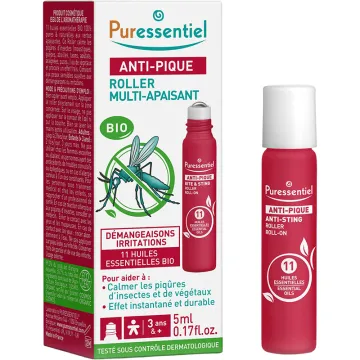
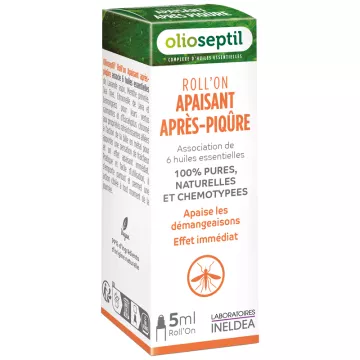
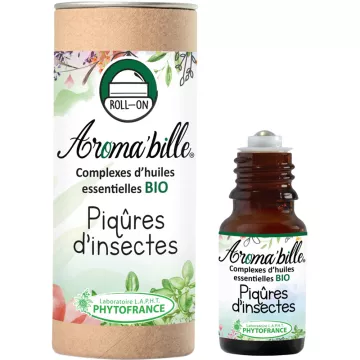
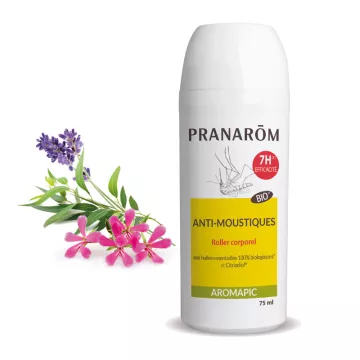
Mosquito bites are the most common type of insect bite in France and around the world. The local reaction—itching, a papule, and erythema—is caused by the saliva injected by the female mosquito when she feeds on blood. Appropriate products quickly relieve symptoms, and approved repellents prevent bites depending on the area of exposure.
What is a mosquito bite?
Only female mosquitoes bite—they need blood for their eggs to mature. They inject saliva containing anticoagulants and allergenic proteins that trigger a local immune reaction. An itchy bump appears within a few minutes and can last 24 to 72 hours, depending on individual sensitivity. Multiple bites can gradually desensitize the skin—some people react more and more strongly over time.
How can you relieve a mosquito bite?
There are three levels of response depending on the severity of the local reaction.
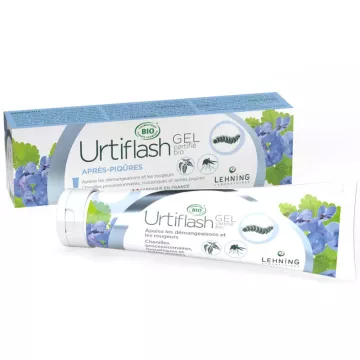
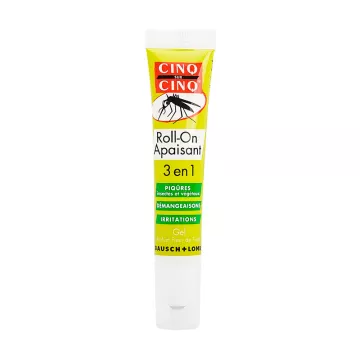
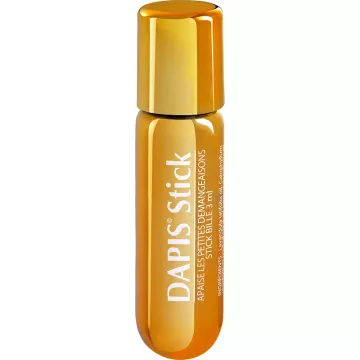
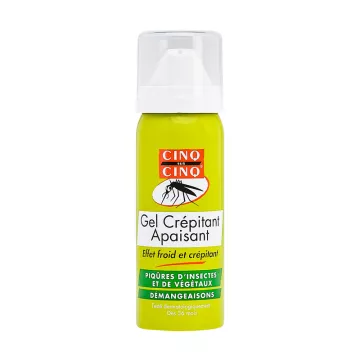
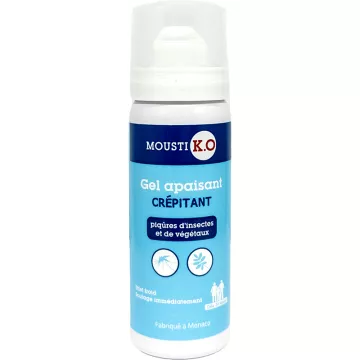
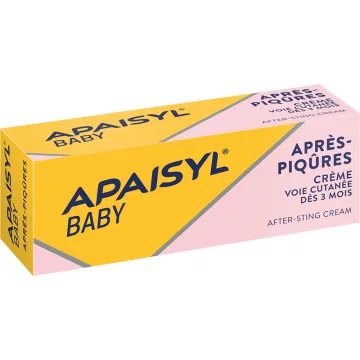
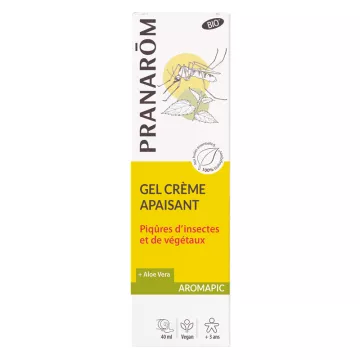
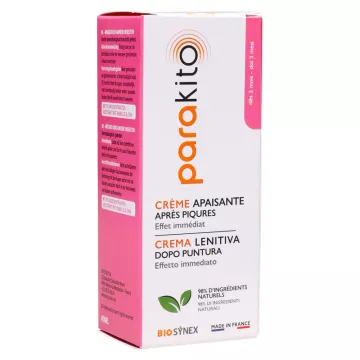
- Mild reaction: soothing anti-bite gel + cold compress for 10 minutes—sufficient in most cases
- Severe itching: low-dose hydrocortisone cream on the affected area + oral antihistamine (cetirizine, loratadine)
- Disinfection: Antiseptic solution if the bite is scratched—prevents secondary bacterial infection
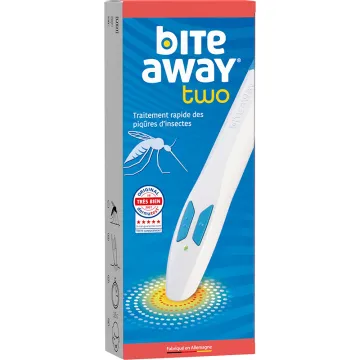
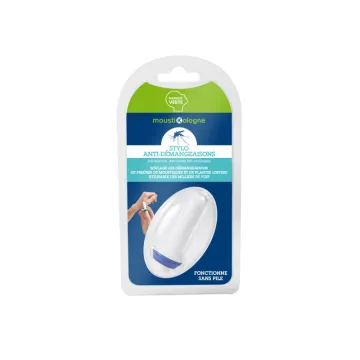
- Heat pen: brief heat (45 °C, 3–5 seconds) applied immediately after the bite to reduce the reaction
Natural remedies: relieving a mosquito bite
Natural active ingredients available at drugstores effectively soothe mild to moderate reactions.
- Purealoe vera gel: provides immediate relief, reduces local heat and itching
- Diluted true lavender essential oil: a few drops on the bump—provides sensory relief
- Baking soda paste (baking soda + water): buffering effect on local acidity
- These remedies complement—but do not replace—antihistamines in cases of widespread reactions
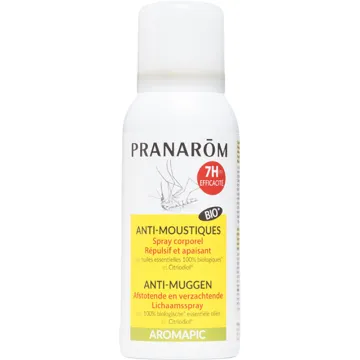
Which mosquito repellents should you choose?
The choice of active ingredient depends on the geographic region and the user’s profile.
- DEET 30–50%: international standard, up to 8 hours of protection—high-risk tropical destinations (Aedes aegypti, Anopheles)
- Icaridin 20%: effectiveness comparable to DEET, better skin tolerance, recommended for pregnant women and children
- IR3535 20%: broad-spectrum, well tolerated — Europe and areas with moderate risk
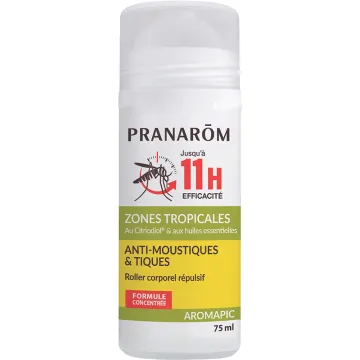
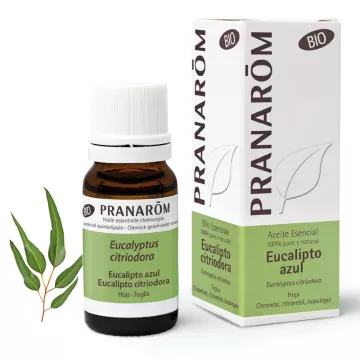
- Lemon eucalyptus 30%: the only natural active ingredient validated by the WHO, 2 to 3 hours of protection—temperate zones
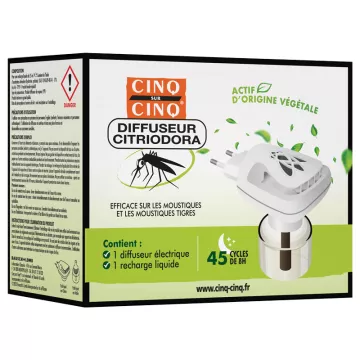
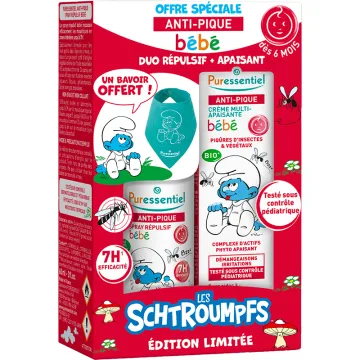
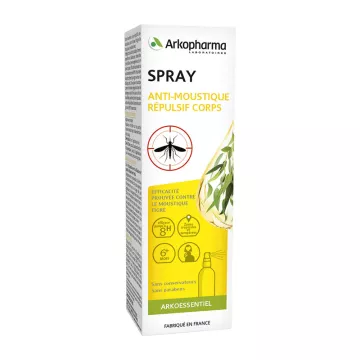
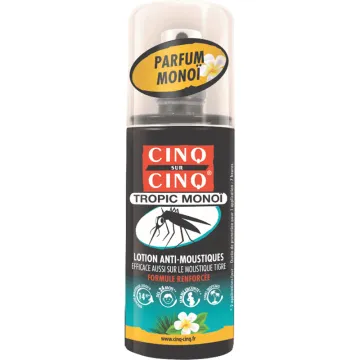
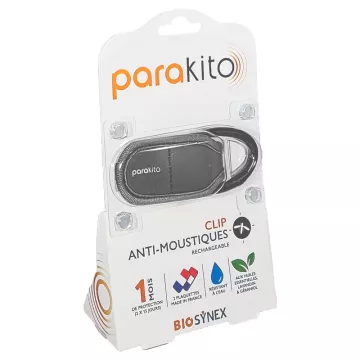
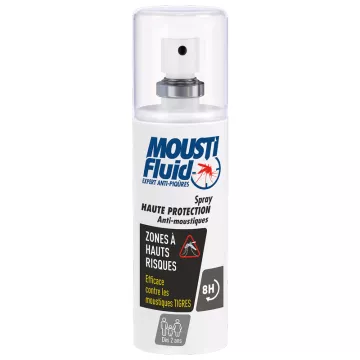
- The entire mosquito repellent line is available at drugstores
Which mosquito species transmit diseases?
All species bite, but health risks vary by genus.
- Aedes aegypti and Aedes albopictus (tiger mosquito): vectors of dengue, chikungunya, and Zika — found in southern France
- Anopheles: vector for malaria—tropical regions of Africa, Asia, and South America
- Culex: vector of West Nile virus—Europe and the Mediterranean
- The tiger mosquito (Ae. albopictus) is active during the day—unlike other species that are active at dusk
At what times of day do mosquitoes bite the most?
The chronobiology of mosquitoes determines when enhanced protection is needed.
- Culex and Anopheles species: dusk and dawn—activity peaks occur before and after nightfall
- Tiger mosquito (Aedes albopictus): active during the day, with peaks from 8 a.m. to 10 a.m. and 5 p.m. to 7 p.m.
- Protect accordingly: use repellent in the morning and late afternoon for the Asian tiger mosquito; use an insecticide-treated mosquito net at night for other species