What natural methods can improve menstrual comfort?
Menstrual comfort depends on a set of simple practices that work together to alleviate pain, fatigue, and mood swings:
- Light physical activity (yoga, walking, swimming): releases pain-relieving endorphins and relaxes the pelvic muscles.
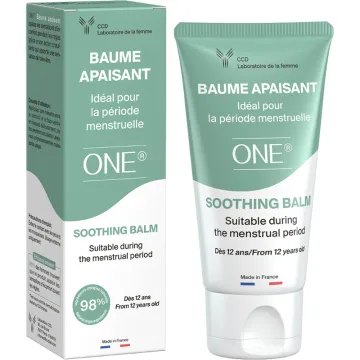
- Heat therapy: Applying a hot water bottle or heating pad to the lower abdomen relaxes the uterine muscles and quickly reduces cramps.
- Regular hydration: Drinking enough water limits water retention and helps manage hormonal fluctuations.
- Relaxation techniques (deep breathing, meditation, cardiac coherence) to reduce stress, which exacerbates pain.
These non-medication approaches may be sufficient for mild to moderate dysmenorrhea. They are most effective when practiced regularly throughout the menstrual cycle, not just during menstruation. In cases of severe or debilitating pain, medical advice is still necessary to rule out an underlying cause such as endometriosis or a fibroid.
Which dietary supplements support menstrual comfort?
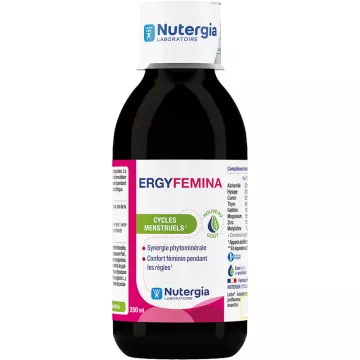
Several micronutrients have been shown to help alleviate menstrual symptoms:
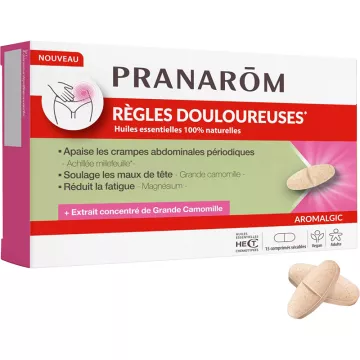
- Magnesium: reduces uterine contractions, water retention, and premenstrual headaches.
- Omega-3: reduces the production of pro-inflammatory prostaglandins responsible for cramps.
- Vitamin B6: supports serotonin synthesis and alleviates irritability and mood swings.
- Calcium: reduces muscle spasms and improves premenstrual mood swings, according to several studies.
- Iron: compensates for blood loss and prevents fatigue and iron-deficiency anemia during heavy periods.
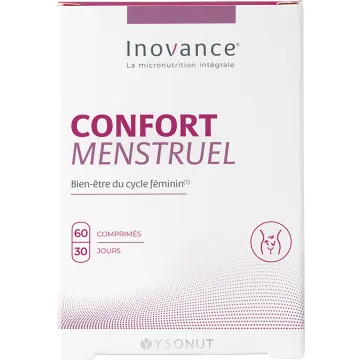
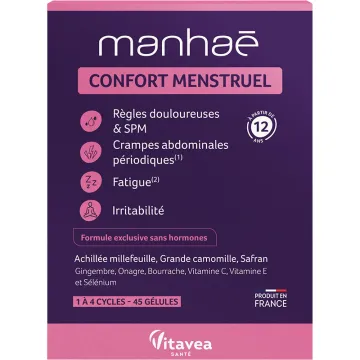
These supplements are part of a holistic approach. A course of treatment started a few days before your period and continued throughout the cycle yields the best results.
Which herbs help relieve menstrual symptoms?
Certain herbs have documented benefits for menstrual comfort:
- Ginger: a natural anti-inflammatory that reduces the intensity of cramps by inhibiting prostaglandin synthesis.
- Chamomile: has antispasmodic and soothing properties that also promote better sleep.
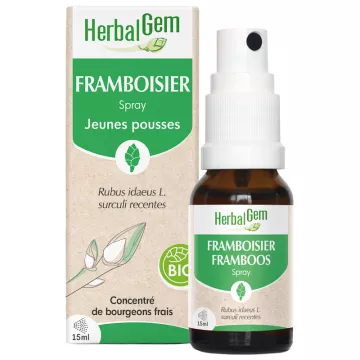
- Raspberry (leaves): a traditional uterine tonic that helps regulate contractions.
- Valerian and passionflower: support muscle relaxation and sleep quality during the premenstrual phase.
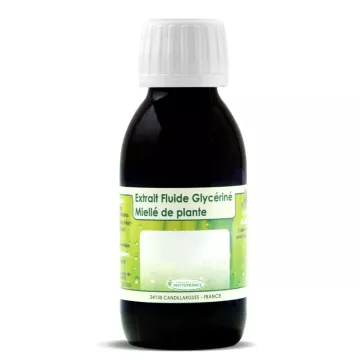
These plants are used as herbal teas, capsules, or extracts. Consult a healthcare professional before any prolonged use, especially if you are undergoing hormone therapy or have a gynecological condition.
How does sleep affect menstrual comfort?
Insufficient sleep worsens cramps, fatigue, and irritability during menstruation. Progesterone, which drops at the end of the cycle, normally promotes deeper sleep; a decrease in progesterone can disrupt sleep quality in the days leading up to menstruation. Persistent pain at night prevents you from reaching the deep, restorative phases of sleep, creating a vicious cycle of pain and fatigue. To ensure restful sleep:
- Maintain a regular bedtime routine, even on the days you have your period.
- Avoid caffeine and screen time in the evening, which delay falling asleep.
- Create a cool, dark environment that promotes melatonin production.
- Practice light relaxation techniques (gentle stretching, breathing exercises) before bed.
- Apply a low-temperature hot water bottle if you experience nighttime cramps.
Chamomile tea in the evening combines a mild antispasmodic effect with sleep-inducing properties, making it a practical ally during your period.
Which menstrual products should you choose for optimal comfort?
The choice of menstrual products directly affects your well-being during your period. Here are a few guidelines:
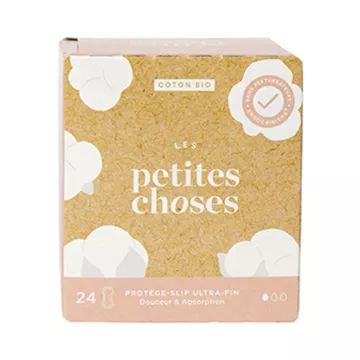
- Unscented organic cotton pads or tampons: reduce the risk of irritation and allergies on mucous membranes already sensitized by hormonal fluctuations.
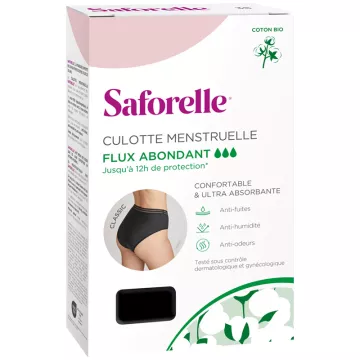
- Menstrual cups or period panties: comfortable, reusable options that don’t dry out the mucous membrane or disrupt the pH balance.
- Change your products every 4 to 8 hours to prevent infections and irritation.
- Avoid douching, as it destroys the protective lactobacilli.
Combining good nutrition, appropriate physical activity, targeted supplements, and carefully chosen menstrual products can significantly reduce the impact of menstruation on quality of life. This holistic approach, which should be tailored to your predominant symptoms, yields better results than addressing each factor in isolation. A menstrual tracking journal helps identify the most effective strategies for your individual profile.