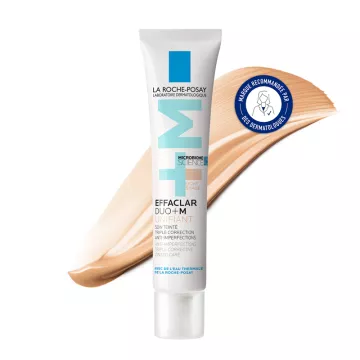
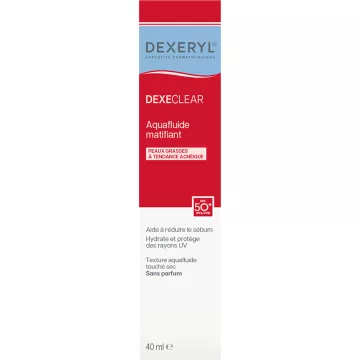
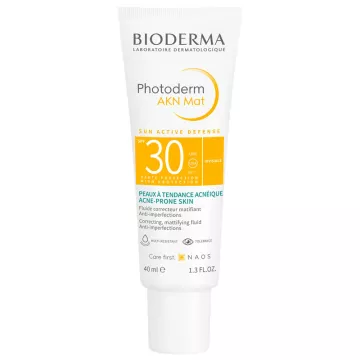
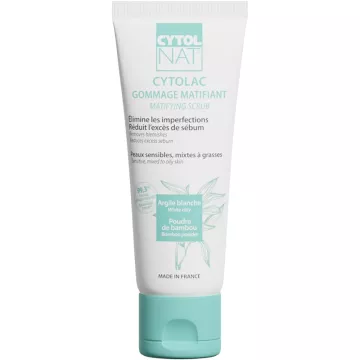
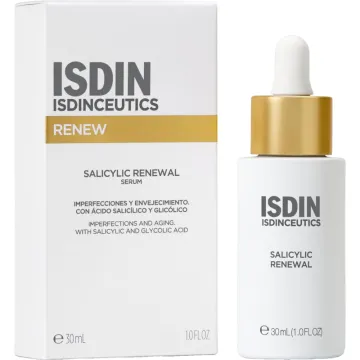
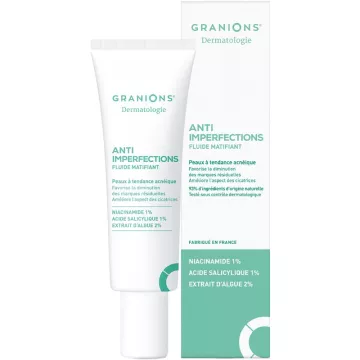
What is a mattifying skincare product?
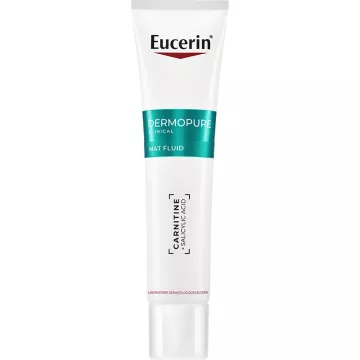
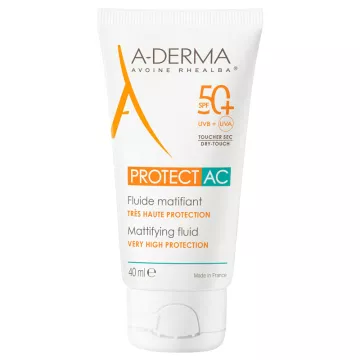
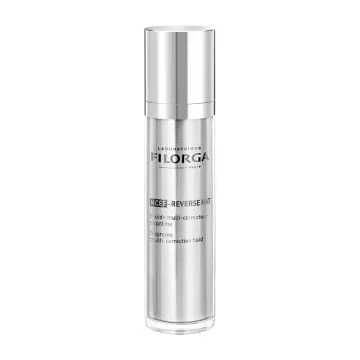
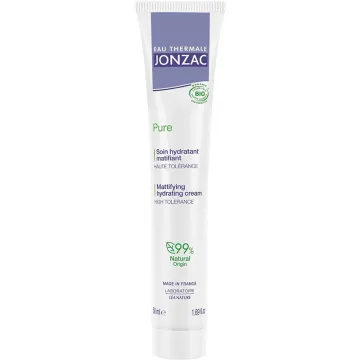
A mattifying skincare product is a cosmetic formulated to reduce skin shine and give the skin a matte finish.
Particularly beneficial for people with oily or combination skin, it helps control shine and supportssebum balance.
Mattifying skincare products come in a variety of formulations: creams, gels, serums, fluids, lotions, powders, and makeup primers.
Their effectiveness is based on absorbent or sebum-regulating active ingredients that capture excess sebum from the skin’s surface.
What ingredients are found in mattifying skincare products?
Several active ingredients characterize an effective mattifying skincare product:
- Salicylic acid (BHA): a gentle exfoliant that helps unclog pores. Photosensitizing (SPF 30 minimum), **not recommended during pregnancy and breastfeeding**.
- Clay (green, white, pink, rhassoul): known for its absorbent properties.
- Zinc (oxide, PCA): soothing and sebum-regulating properties.
- Glycolic acid (AHA): a chemical exfoliant that supports skin renewal. Photosensitizing; not recommended during pregnancy.
- Niacinamide (vitamin B3): helps control shine and visually minimizes the appearance of enlarged pores.
- Silica, rice starch, perlite: absorbent micropowders used in mattifying formulas.
How do I choose the best mattifying skincare product for my skin?
When choosing the best mattifying skincare product, several factors should guide your decision:
- Oily skin: lightweight, non-comedogenic formulas containing zinc, salicylic acid, or clay.
- Combination skin: balancing products—matifying on the T-zone (forehead, nose, chin), moisturizing on the cheeks.
- Sensitive skin: fragrance-free, hypoallergenic formulas with soothing active ingredients (allantoin, panthenol, aloe vera); opt for white or pink clay.
- Acne-prone skin: non-comedogenic products with gentle sebum-regulating active ingredients.
Check the full INCI list to identify any known allergens.
How often should I use a mattifying skincare product?
How often you should use a mattifying skincare product depends on the formula and your skin’s tolerance.
Gentle mattifying products (lotions, gels, serums): generally morning and night, as part of your daily routine.
Mattifying products containing exfoliating acids (salicylic acid, glycolic acid): no more than 2 to 3 times a week, introduced gradually to allow the skin to adjust.
If irritation occurs, space out applications and opt for formulas with simpler ingredients.
What are the benefits of a mattifying skincare product?
Mattifying skincare products offer several cosmetic benefits:
- Reduced shine: absorbs excess sebum, leaving a matte finish.
- Reduces the appearance of blemishes: by controlling shine.
- Visually refines the appearance of pores: an optical effect without altering the structure of the pores.
- Idealmakeup base: smoother skin, longer-lasting foundation.
- Skin comfort: a long-lasting feeling of freshness throughout the day.
Are mattifying skincare products suitable for all skin types?
Mattifying skincare products are primarily formulated for oily and combination skin, but may also be suitable for other skin types:
- Sensitive skin: gentle, moisturizing mattifying products that do not contain high concentrations of denatured alcohol.
- Combination skin: Targeted action on the T-zone, with hydration for dry areas.
- Dry skin: generally best avoided, unless there is occasional oiliness in the T-zone.
Choose a product suited to your skin type to avoid any imbalance or irritation.
What are the possible side effects of mattifying skincare products?
Mattifying skincare products can cause side effects, especially on sensitive skin or when they contain concentrated active ingredients:
- Irritation: Certain active ingredients (such as salicylic acid and glycolic acid) can cause redness and a stinging sensation.
- Dryness: excessive use or a formula that is too astringent.
- Allergic reactions: contact allergy to an excipient (fragrances, preservatives, certain active ingredients).
- Seborrheic rebound effect: on skin that has been over-stripped, sebum may be produced as a defensive reaction.
Perform a skin test on the inner elbow 48 hours before first use. If you experience a severe or persistent reaction, discontinue use and consult a dermatologist.
Should a mattifying product be included in a skincare routine?
To incorporate a mattifying treatment into a consistent skincare routine:
- Gentle cleansing: a cleanser suitable for oily or combination skin.
- Alcohol-freetoner: balances the skin’s feel after cleansing.
- Mattifying serum: with niacinamide or zinc to target shine.
- Mattifying treatment: a cream, gel, or fluid suited to your skin type; apply to areas prone to shine.
- Light moisturizer: a non-comedogenic cream to maintain skin comfort.
- Sunscreen with SPF 30 or higher (essential, especially when using exfoliating ingredients).
Are mattifying products compatible with makeup?
Mattifying skincare products are perfectly compatible with makeup and can even help it last longer.
Used as a primer under makeup, a mattifying skincare product creates a smoother surface, reduces shine, and helps ensure an even application of foundation.
For particularly oily skin, using a mattifying serum or mattifying powder throughout the day helps maintain a matte finish without product buildup.
Avoid overly occlusive foundations on skin that tends to be oily: opt for lightweight, non-comedogenic formulas instead.
What criteria should you use when choosing a mattifying skincare product?
There are several factors to consider when choosing a mattifying skincare product:
- Skin type: oily, combination, sensitive, or acne-prone.
- Key active ingredients: zinc, niacinamide, salicylic acid, clay, silica, depending on your needs.
- Formulation: non-comedogenic, free of heavy oils, and free of high concentrations of denatured alcohol.
- Texture: fluid, gel, or light cream, depending on preference and season.
- Allergens: Check the INCI list (the 26 EU-mandated allergens are clearly labeled).
- Recognizedcertifications: Ecocert, COSMOS, Cosmébio if you prefer organic products.
- User reviews and dermatologist recommendations.
How do you apply a mattifying skincare product correctly?
To maximize the effectiveness of a mattifying skincare product:
- Cleanse your skin with a gentle cleanser to remove impurities and excess oil.
- Tone with an alcohol-free toner to rebalance your skin.
- Apply the mattifying treatment to areas prone to shine (T-zone: forehead, nose, chin).
- Gently massage in circular motions until fully absorbed.
- Moisturize with a light, non-comedogenic cream.
- Finish with a sunscreen with an SPF of at least 30 in the morning.
Avoid the eye area, which is too delicate for mattifying ingredients.
Can mattifying skincare products be used under sunscreen?
Mattifying skincare products should be used under sunscreen to protect the skin from UV damage:
- Cleanse and tone.
- Apply the mattifying product and let it fully absorb.
- Light moisturizer if needed.
- Broad-spectrum sunscreen with a lightweight, non-comedogenic formula (gel, fluid, or sun serum).
Many sunscreens are now available in mattifying formulas, combining both functions in a single step for oily or combination skin.
Is it possible to make your own mattifying skincare product at home?
It is possible to make a homemade mattifying mask using simple ingredients, provided you follow strict precautions:
Ingredients:
- 2 tablespoons of green clay (or white clay for sensitive skin)
- 1 tablespoon of aloe vera gel
- Witch hazel or tea tree hydrosol (as a substitute for water)
Instructions:
- Mix the ingredients in a bowl using a wooden or plastic utensil (never metal, as it can reduce the clay’s effectiveness).
- Apply to the area you want to mattify and leave on for 10 to 15 minutes without letting it dry completely (moisten regularly by spraying).
- Rinse with lukewarm water.
- Apply your usual moisturizer.
Important precautions:
- Essential oils (tea tree, lavender, lemon): not recommended for pregnant or breastfeeding women, infants, or children under 3 years of age; possible contact allergy; citrus essential oils are photosensitizing (never use before sun exposure).
- A skin test is required 48 hours on the inner elbow before any application.
- Storage: Use immediately or store for a maximum of 24–48 hours in the refrigerator in an airtight container.
- For extended storage, add a suitable cosmetic preservative (Cosgard, Geogard) according to the recommended dosages.
When should you switch to a different mattifying product?
Several signs indicate that it’s time to switch to a different mattifying product:
- Irritation or redness: skin sensitivity to an active ingredient or excipient.
- Increased breakouts: rashes, blackheads, or more clogged skin.
- Excessive dryness or flaking: the product is too harsh for your skin type.
- Insufficient results: shine persists despite regular use.
- Seasonal changes: evolving skin needs (lighter formulas in summer, more hydrating ones in winter).
- Onset of a skin condition: rosacea, eczema, seborrheic dermatitis → consult a dermatologist and adjust your skincare routine.
If in doubt, consult a dermatologist for personalized recommendations.