What is liver detoxification, and how does it work?
Liver detoxification refers to the set of processes by which the liver neutralizes and eliminates harmful substances—such as medications, alcohol, environmental pollutants, and metabolic waste. It occurs in two complementary enzymatic phases:
- Phase I: Cytochromes P450 transform fat-soluble toxins through oxidation, reduction, and hydrolysis. This step sometimes generates reactive metabolites that are more toxic than the original molecules.
- Phase II: Conjugation enzymes (glutathione-S-transferases, glucuronyltransferases) bind these metabolites to water-soluble molecules, making them excretable via bile or urine.
These two phases must operate in balance: a rapid Phase I followed by a slow Phase II can lead to the accumulation of dangerous reactive intermediates. Antioxidants play a protective role by neutralizing the free radicals generated during this process.
What are the signs of a overloaded liver?
The liver has no nociceptors—it does not hurt directly. The signs suggestive of liver overload are therefore indirect:
- Unexplained chronic fatigue, especially in the morning.
- Digestive issues: bloating, nausea, difficulty digesting fats.
- Dull skin, tendency toward acne or eczema, itching.
- A yellowish complexion (jaundice) in more severe cases.
These symptoms can have many causes. Only a liver function panel (transaminases, GGT, alkaline phosphatase, bilirubin) can objectively confirm impaired liver function. Never interpret these signs as sufficient grounds for a “detox” without medical advice.
Which herbs support liver function?
Several plants have a solid body of research supporting their hepatoprotective effects:
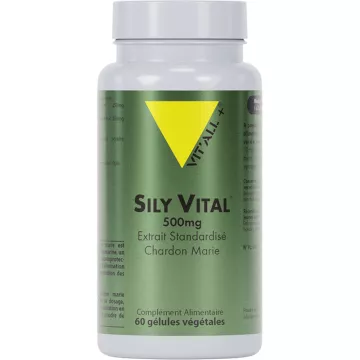
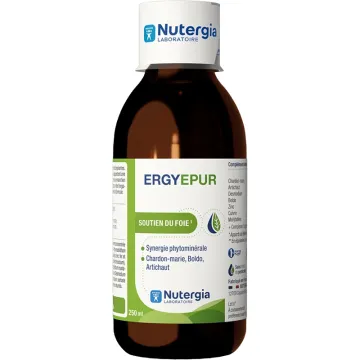
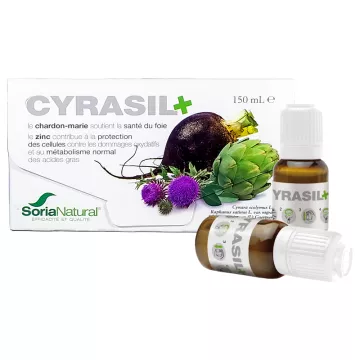
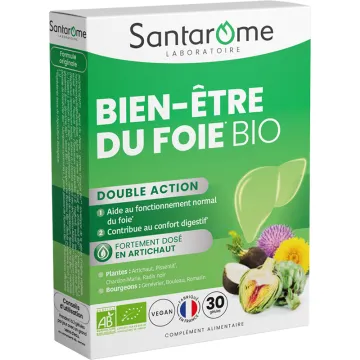
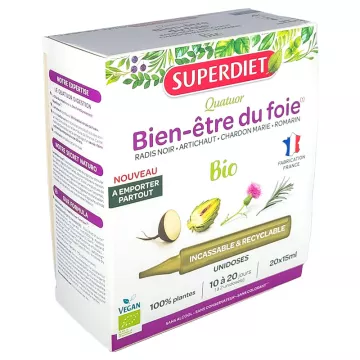
- Milk thistle (Silybum marianum): Silymarin protects liver cells from toxins, supports liver cell regeneration, and has documented antioxidant properties.
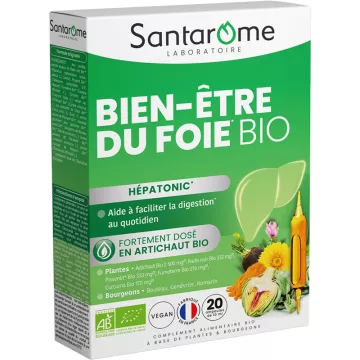
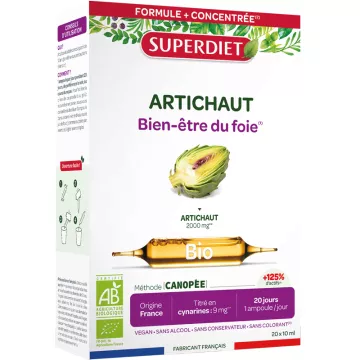
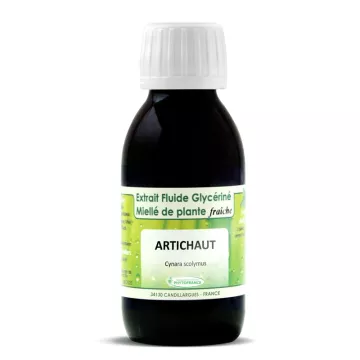
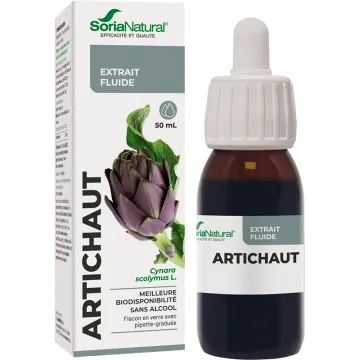
- Artichoke: stimulates bile production and facilitates the elimination of lipophilic toxins, while improving fat digestion.
- Turmeric: Curcumin inhibits liver inflammation and potentiates Phase II enzymes, provided the formulation has improved bioavailability.
These herbs should be used as a course of treatment, under the guidance of a healthcare professional, particularly when taking concomitant medications (possible interactions with cytochromes P450).
Which supplements support the detoxification phases?
Certain nutrients play a direct role in detoxification enzymes:
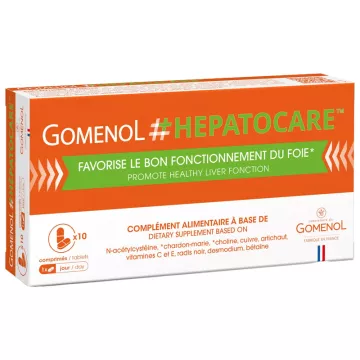
- Glutathione: the master antioxidant of Phase II, it is consumed during the elimination of toxins. N-acetylcysteine (NAC) is its most bioavailable precursor.
- Vitamin C: protects hepatocytes from free radicals generated during Phase I and recycles oxidized glutathione.
- B vitamins (B2, B3, B6, B9, B12): essential cofactors for Phase I redox reactions.
These supplements should always be discussed with a healthcare professional, particularly in cases of preexisting liver disease or when taking multiple medications.
How does lifestyle support liver detoxification?
Beyond supplements, several lifestyle habits help preserve and support the liver’s detoxification capacity:
- Reduce alcohol intake: As the primary aggressor against the liver, alcohol mobilizes considerable enzymatic resources and generates toxic metabolites (acetaldehyde). Alcoholic fatty liver disease can develop within a few weeks of excessive consumption.
- Stay well-hydrated to facilitate the elimination of water-soluble toxins through the kidneys.
- Prioritize cruciferous vegetables (broccoli, cabbage, arugula), garlic, and citrus fruits, which stimulate Phase II enzymes.
- Engage in regular physical activity: this improves hepatic circulation, reduces steatosis, and accelerates lipid metabolism.
- Ensure good sleep quality: liver regeneration occurs mainly at night, during deep sleep phases.
Limiting exposure to endocrine disruptors and pesticides (opting for organic versions of the most contaminated products) also reduces the daily toxic load the liver must process. An annual liver checkup is recommended for anyone who drinks alcohol regularly or is occupationally exposed to toxins.