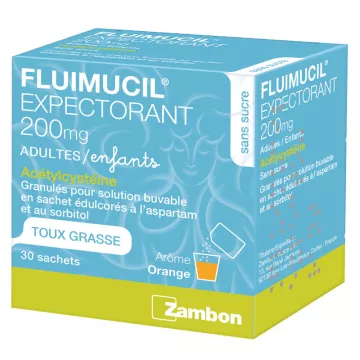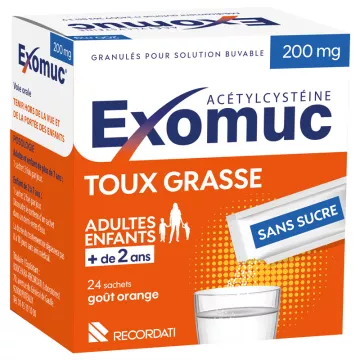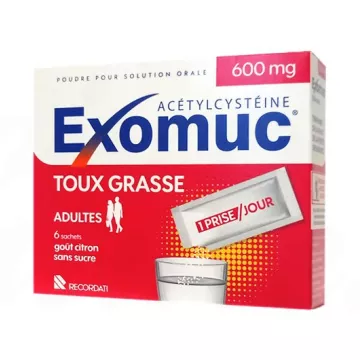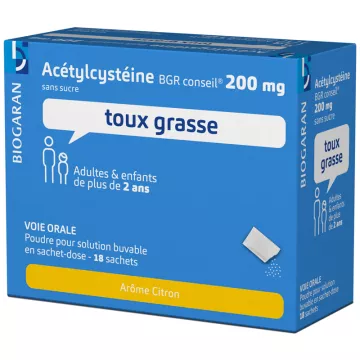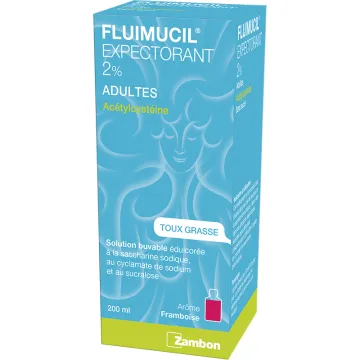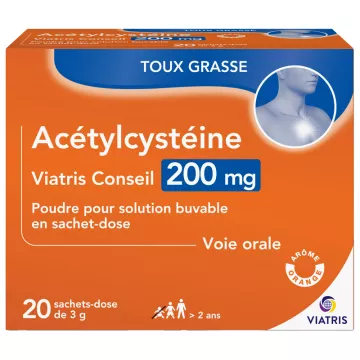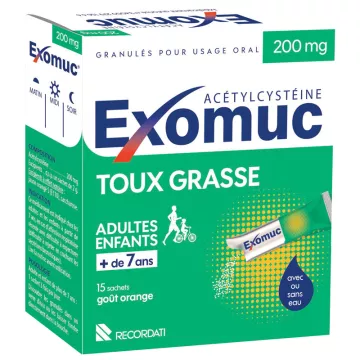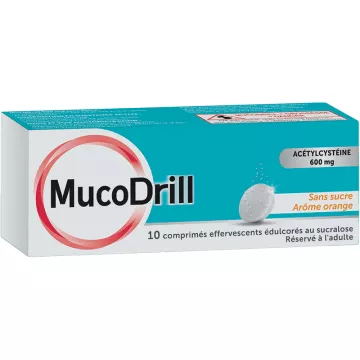
Acetylcysteine is a derivative of cysteine, a sulfur-containing amino acid, used in medicine for its mucolytic, antioxidant, and hepatoprotective properties. Its primary use is for respiratory conditions involving thick bronchial secretions—such as chronic bronchitis, cystic fibrosis, and chronic obstructive pulmonary disease (COPD)—where it facilitates expectoration. It is also the standard antidote for acetaminophen poisoning, playing a vital role in protecting the liver by preventing liver necrosis.
Mechanism of action: acetylcysteine breaks the disulfide bonds in mucoproteins, directly reducing the viscosity of bronchial mucus and facilitating its clearance. It also acts as a precursor to glutathione, the body’s most powerful endogenous antioxidant, which is involved in cellular detoxification. In cases of acetaminophen poisoning, it is precisely this restoration of hepatic glutathione reserves that allows for the elimination of toxic metabolites and prevents acute liver failure. For bronchitis with mild, thick secretions, English ivy (EMA-approved for this use) is a gentle herbal alternative as a complementary treatment or for mild cases ofrespiratory congestion.
Acetylcysteine is available in several dosage forms: effervescent powder packets, effervescent tablets, oral solutions, and an injectable form reserved for hospital use (acetaminophen overdose). For respiratory conditions, the standard dosage is generally 200 mg three times a day or 600 mg as a single dose—the protocol for acetaminophen overdose follows a specific intravenous regimen that is strictly regulated.
The treatment is generally well tolerated, but several adverse effects are possible:
Acetylcysteine is contraindicated in cases of known allergy to the substance, not recommended in cases of active gastric ulcer (potential irritant effect on the digestive mucosa), and in individuals with a history of severe bronchospasm. Its use in pregnant or breastfeeding women should be discussed with a doctor, although no teratogenic effects have been definitively established.
Several drug interactions require significant precautions. Combining it with central-acting cough suppressants is strongly discouraged—it can lead to excessive buildup of bronchial secretions that the cough suppressant prevents from being cleared, increasing the risk of respiratory complications. Acetylcysteine may also interfere with certain antibiotics (penicillins, cephalosporins) through direct interaction in solution—a gap of at least two hours between doses is recommended. Combining it with nitroglycerin, which is used to treat certain cardiovascular conditions, can cause significant hypotension and severe headaches.
In terms of supplemental antioxidant support, certain natural compounds, such as vitamin C, provide synergistic antioxidant effects, although through mechanisms distinct from those of acetylcysteine—see also the antioxidants page for an overview of cell-protective compounds. Before starting any acetylcysteine-based treatment, it is essential to inform your doctor or pharmacist of all medications you are currently taking, including dietary supplements, to prevent any interactions.