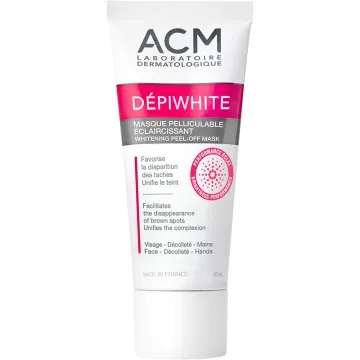
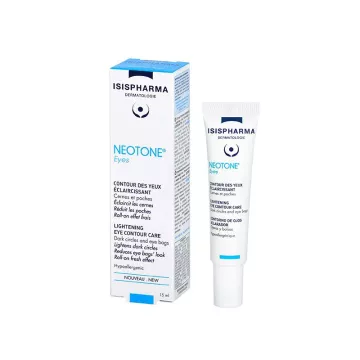
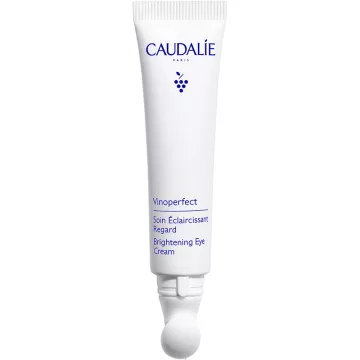
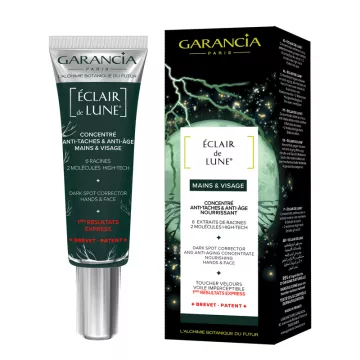
What is a skin-brightening treatment?
A skin-brightening treatment is a cosmetic product designed to reduce pigmentation irregularities and help even out the skin tone. Features:
- Targets dark spots, residual marks, and various forms of hyperpigmentation
- Cosmetic mechanism: regulation of localized melanin production and support for cell renewal
- Various formats: concentrated serum, day or night cream, mask, targeted roll-on solution
- Use as an intensive treatment or as part of a long-term skincare routine, depending on skin type
- Progressive results over several weeks
- Cosmetic complement to dermatological treatments for stubborn cases
A skin-brightening treatment is not a substitute for a dermatological consultation for deep or progressive pigmentation. Our anti-dark spot section features dermo-cosmetic products available at pharmacies.
What active ingredients are found in a skin-brightening treatment?
Several cosmetic active ingredients are recognized for their effectiveness:
- Vitamin C (L-ascorbic acid, stabilized derivatives): an antioxidant that helps promote a radiant, even complexion
- Azelaic acid: considered one of the safest (including during pregnancy, under medical supervision), effective for melasma and post-acne marks
- Kojic acid derived from fermentation: a gentle skin-brightening agent
- Niacinamide (vitamin B3): regulates melanin transfer, helps even out skin tone
- Topicaltranexamic acid: an emerging treatment, effective for melasma
- Arbutin: acts on melanin production
- Glabridin (licorice extract): a gentle skin-lightening agent
- AHAs (glycolic, lactic, and mandelic acids): gentle chemical exfoliants (photosensitizing)
- Phytate and targeted plant extracts
- Hydroquinone: a powerful depigmenting agent available by prescription in France, used in short courses under medical supervision (contraindicated during pregnancy and breastfeeding)
Combining several active ingredients in a balanced formula is often more effective than a single active ingredient at a high concentration.
How should it be used daily?
A consistent routine optimizes results:
- First,remove makeup and gently cleanse the face
- Apply to clean, dry skin
- Applya small amount over the entire face or directly to blemishes, depending on the product format
- Apply preferably in the evening if using photosensitizing active ingredients (AHAs, retinol)
- Follow witha moisturizer to strengthen the skin barrier
- Always useSPF 50+ sunscreen the following morning (and every morning for the duration of the treatment)
- Apply to the décolletage and hands if applicable
- Consistency: Do not interrupt use to see results
- Performa 48-hourpatch test in the crook of the elbow before first use
Strict avoidance of sun exposure during treatment remains an absolute must to prevent neutralizing the effects and to avoid paradoxical hyperpigmentation.
What benefits can you expect?
Regular use provides several visible benefits:
- Gradual lightening of existingdark spots
- An even skin tone and reduced imperfections
- Improved overallradiance of the face
- Visible reduction of post-acnemarks
- Reduction of age-related marks
- Prevents existing dark spots from worsening (when used in combination with a high SPF)
- Supports cell renewal
- Additional antioxidant benefits depending on the active ingredients
Results are gradual and require regular use over several weeks to several months. No cosmetic product can completely clear acne scars in just a few days.
What side effects should you watch for?
The most common side effects:
- Initialredness and tingling sensations
- Dry skin and tightness
- Superficialpeeling
- Increased sensitivity to the sun (photosensitivity with AHA, BHA, retinol)
- Irritation and itching
- Paradoxical hyperpigmentation with unprotected sun exposure
- Localizedhypopigmentation with excessive use of hydroquinone
- Allergic reactions to preservatives or fragrances
- Cumulative effects when irritating active ingredients are used in combination
What to do if a reaction occurs: Stop use immediately, rinse with lukewarm water, apply a soothing treatment containingaloe vera or chamomile, and consult a pharmacist or dermatologist if symptoms persist. Avoid using multiple irritating active ingredients at the same time (retinol + AHA + concentrated vitamin C).
When will you see the first results?
Timelines vary depending on the active ingredients, concentration, and type of spot:
- 4 to 6 weeks: first signs of improvement on superficial dark spots
- 2 to 3 months: more visible results on post-acne marks and overall skin radiance
- 3 to 6 months: optimal results on more stubborn spots (sunspots, melasma)
- Results are maintained only with regular use and strict sun protection
- Deep lentigines: limited cosmetic improvement; complementary aesthetic treatment is often necessary
- Melasma: Improvement is possible, but recurrences are frequent
Patience and consistency are the key factors for success. Stopping treatment prematurely often negates the benefits achieved.
How to choose based on your skin type?
The choice of a skin-lightening product should be tailored to your skin type:
- Dry skin: cream or emulsion formulas enriched with moisturizing agents (hyaluronic acid, glycerin, plant-based butters)
- Combination skin: lightweight serums containing niacinamide and vitamin C, with non-greasy textures
- Oily skin: Light, non-comedogenic formulas containing salicylic acid and niacinamide
- Sensitive skin: ultra-gentle, fragrance-free, alcohol-free formulas with soothing active ingredients (aloe vera, chamomile, allantoin), in moderate concentrations
- Acne-prone skin: active ingredients that combine brightening and anti-blemish properties (azelaic acid, niacinamide)
- Mature skin: Formulas combining antioxidants, peptides, and gentle skin-brightening agents
- Dark skin types (V–VI): Use potent active ingredients with caution (risk of paradoxical hyperpigmentation); prioritize azelaic acid and niacinamide
Ask your pharmacist for advice to identify the formulation best suited to your skin and your specific dark spots.
Skin-lightening treatments: pregnancy and precautions?
Pregnancy andbreastfeeding require strict precautions:
Strictly contraindicated during pregnancy and breastfeeding:
- Hydroquinone
- Retinoids and tretinoin (teratogens)
- High-concentrationcosmetic retinol (use with caution)
- Exfoliating acids (AHAs) at medical concentrations
- Deep or medium-depthdermatological peels
- Lasers and IPL
Generally tolerated during pregnancy (medical advice recommended):
- Azelaic acid: considered one of the safest
- Topical vitamin C in standard cosmetic concentrations
- Niacinamide in moderate concentrations
- Mild plant-based antioxidants
For pregnancy-related hyperpigmentation (melasma gravidarum), active treatment is often postponed until after childbirth and weaning. Strict sun protection remains essential during pregnancy.
Which natural alternatives should be used with caution?
Certain natural ingredients can complement a skincare routine, but should be used with caution:
Use with caution:
- Purealoe vera gel: soothing and moisturizing
- Licorice extract (glabridin) in formulated cosmetics
- Topicalgreen tea: antioxidants
- Rosehip oil: use only in the evening
- Pure honey as a mask: Perform an allergy test first
Absolutely avoid:
- Lemon juice on the skin: highly phytophototoxic; may worsen dark spots and cause photosensitivity burns (the opposite of the desired effect)
- Pure topical turmeric: temporarily stains the skin yellow, risk of allergic reaction
- Citrus essential oils (bergamot, lemon, bitter orange): photosensitizing
- Undiluted apple cider vinegar: irritating, disrupts the skin’s pHbalance
- Caustic or untestedhomemade remedies
The effectiveness of natural remedies remains limited and inconsistent. Cosmetically formulated products offer more predictable results and better tolerability. Perform a patch test 48 hours before any regular use.
What complementary aesthetic treatments are available?
Several dermatological procedures can complement a skincare routine:
- Superficial to medium chemical peels (glycolic, mandelic, salicylic acid) performed in a clinic
- Microdermabrasion: mechanical exfoliation for superficial spots
- Intense Pulsed Light (IPL): for well-defined solar lentigines
- Q-switched or picosecond lasers: highly effective on lentigo
- Liquid nitrogencryotherapy for certain isolated spots
- Microneedling with targeted serums as an adjunct
- Mesotherapy: injections of depigmenting cocktails
These procedures must be performed by a dermatologist or a trained aesthetic physician. A preliminary consultation is essential to assess indications and contraindications (pregnancy, breastfeeding, certain medical conditions) and to select the appropriate technique. Strict sun protection before and after each procedure is non-negotiable. For daily skincare, your local pharmacist remains a valuable resource.