What Is Irritable Bowel Syndrome and How Is It Diagnosed?
Irritable bowel syndrome (IBS) is a chronic functional disorder of the colon with no identifiable organic pathology. It is the leading cause of gastroenterology consultations in France (10–15% of adults). Check out our dedicated line of supplements for irritable bowel syndrome.
- Rome IV Criteria (diagnosis): recurrent abdominal pain ≥ 1 day/week for > 3 months + at least 2 of the following criteria: related to defecation, associated with a change in stool frequency, associated with a change in stool consistency
- Clinical subtypes: IBS-D (diarrhea-predominant), IBS-C (constipation-predominant), IBS-M (mixed), IBS-I (undetermined)—each subtype has its own priority treatments
- Pathophysiological mechanisms: visceral hypersensitivity (intense pain in response to normal distension), impaired colonic motility, intestinal dysbiosis, disrupted brain-gut axis (stress → symptoms)
- Exclusion tests: Complete blood count (CBC) + CRP + fecal calprotectin (excludes IBD) — IgA anti-transglutaminase serology (excludes celiac disease) — colonoscopy if > 50 years old or red flags — see our page on intestinal disorders
- Red flags (rule out organic causes): blood in the stool, weight loss > 5%, fever, onset > age 50, nighttime pain — never accept an IBS diagnosis without ruling out these red flags
FODMAP Diet and Nutrition in Irritable Bowel Syndrome
- Low-FODMAP diet: reduction of fermentable carbohydrates (Fermentable Oligo-, Di-, Monosaccharides, and Polyols) — 75% positive response rate — Phase 1: strict elimination for 6–8 weeks — Phase 2: gradual reintroduction by food group — Phase 3: long-term personalization — dietary supervision recommended
- FODMAPs to reduce in Phase 1: fructose (honey, apples, pears, mangoes), lactose (milk, plain yogurt), fructans (wheat, onion, garlic), galactans (legumes), polyols (sorbitol, mannitol, xylitol)
- Foods generally well tolerated: rice, carrots, zucchini, ripe bananas, grapes, hard cheeses (low in lactose), unmarinated animal proteins
- Soluble fiber (psyllium, pectin): beneficial for IBS-C—regulates bowel motility without exacerbating fermentation—to be distinguished from insoluble fiber (wheat bran), which can worsen symptoms
- Food diary: record foods + symptoms + stress — identify individual triggers — IBS intolerances vary greatly from person to person
Medications and natural remedies for IBS
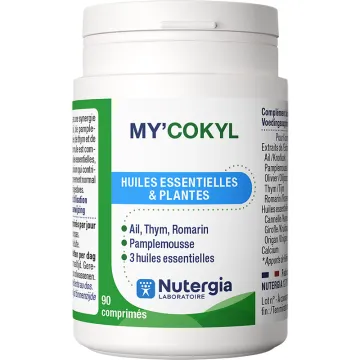
Find these active ingredients in our line of probiotics and supplements.
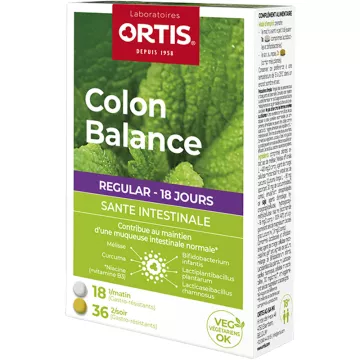
- Peppermint (enteric-coated capsules): the gold standard antispasmodic for IBS — relaxes the smooth muscles of the colon — significantly reduces pain and the frequency of cramps — must be in enteric-coated form (targets the colon, not the stomach) — see our page on digestive spasms
- Mebeverine (Duspatalin): muscle antispasmodic—specifically indicated for IBS—no systemic anticholinergic effects—available by prescription
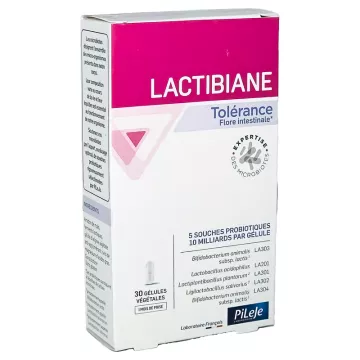
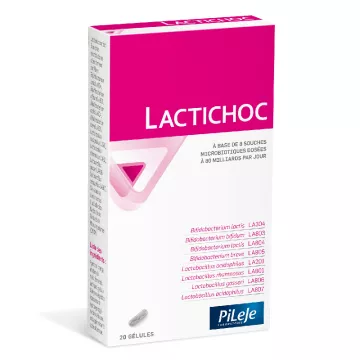
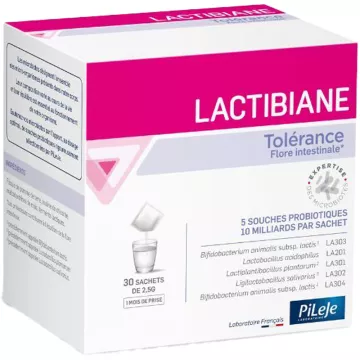
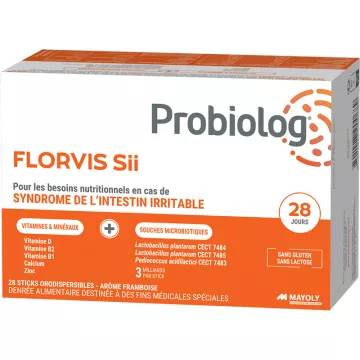
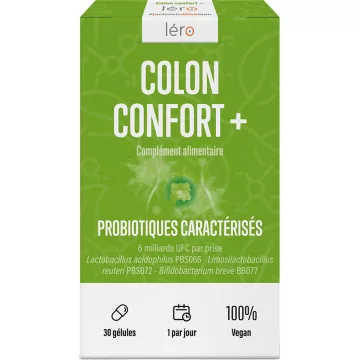
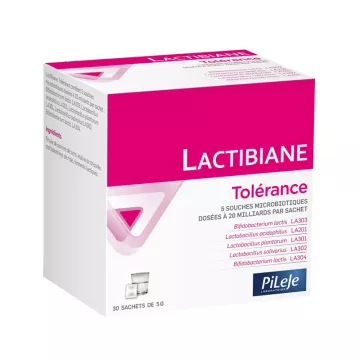
- Probiotics: Lactobacillus plantarum (bloating + IBS pain) — Bifidobacterium infantis 35624 (all forms of IBS) — 8–12-week course — see our irritable bowel syndrome supplements
- Osmotic laxatives (macrogol) for IBS-C — loperamide for IBS-D — at the minimum effective dose — never use for prolonged periods without medical advice — see our pages on constipation and diarrhea
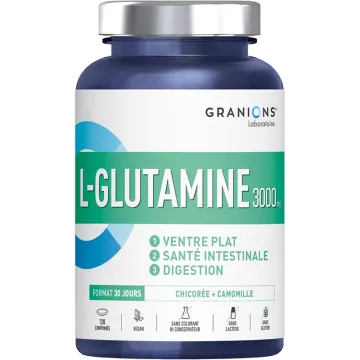
- Ginger + chamomile: natural antispasmodics as a supplement — see our bloating page for carminative active ingredients
Brain-gut axis, stress, and quality of life
- Cognitive-behavioral therapy (CBT): highest level of evidence for IBS — addresses visceral hypersensitivity and avoidance behaviors — documented 50–60% reduction in symptoms in clinical studies — available in-person or online
- Gut-directed hypnotherapy: efficacy comparable to CBT for IBS—12 sessions—lasting results at 1 year—recommended by gastroenterology professional societies
- Cardiac coherence + meditation: daily stress management — 5 min × 3 times/day — reduced sympathetic tone → improved colonic motility
- Regular physical exercise (30 min × 5/week): increases microbiome diversity + improves bowel motility + reduces stress — documented benefit on IBS symptoms
- Living with IBS: a chronic condition that does not progress to cancer or IBD — generally favorable prognosis — improved quality of life through integrated management (diet + mind-body therapies + medication as needed)