What is the intestinal system, and what are its functions?
The intestinal system is the central part of the digestive tract—composed of the small intestine (6–7 m) and the colon (1.5 m)—and is responsible for nutrient absorption, fiber fermentation, vitamin production, and 70% of our immune function. Its proper functioning directly affects energy levels, immunity, and even mood. Our line of probiotics supports the balance of the gut microbiota.
- Small intestine (duodenum, jejunum, ileum): 6–7 m, with an absorption surface area of 200 m² thanks to villi and microvilli—final digestion and absorption of carbohydrates, proteins, fats, vitamins, and minerals—site of production for numerous digestive hormones (CCK, GLP-1, secretin)
- Colon (large intestine): 1.5 m — reabsorption of water and electrolytes — fermentation of indigestible fiber by the microbiota → short-chain fatty acids (SCFAs: butyrate, propionate, acetate) — butyrate is the primary fuel for colonocytes
- GALT (Gut-Associated Lymphoid Tissue): intestinal lymphoid tissue — 70% of the body’s immune cells — Peyer’s patches in the ileum — development of immune tolerance — linked to allergies, autoimmune diseases, and infections
- Enteric nervous system: 500 million neurons — “second brain” — controls intestinal motility, secretion, and blood supply — connected to the brain via the vagus nerve
- Intestinal motility: Peristaltic contractions propel the bolus — 3–5 hours to pass through the small intestine — 24–72 hours in the colon, depending on transit speed
Signs of a disrupted intestinal system and common causes
- Bloating and excessive gas: abnormal fermentation in the colon—dysbiosis or a diet high in FODMAPs—see our page on intestinal disorders
- Impaired transit: constipation (slowed motility) or diarrhea (accelerated motility) — see our pages on transit disorders and intestinal transit
- Antibiotics: profoundly disrupt the microbiota by destroying beneficial bacteria — post-antibiotic dysbiosis → diarrhea, candidiasis, C. difficile — probiotics (Saccharomyces boulardii) starting on the first day of antibiotic therapy as a preventive measure
- Chronic stress: cortisol → impairs motility and mucosal permeability — promotes dysbiosis — see link to the gut-brain axis
- Ultra-processed foods: reduce microbiota diversity within 2 weeks — low fiber content = starvation for beneficial bacteria
Natural active ingredients to support the intestinal system
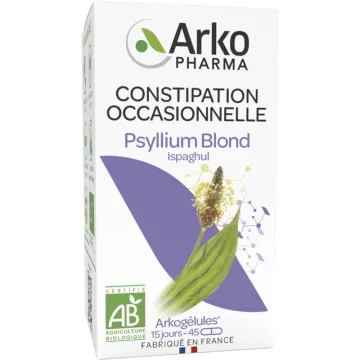
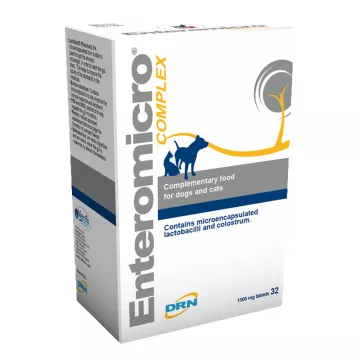
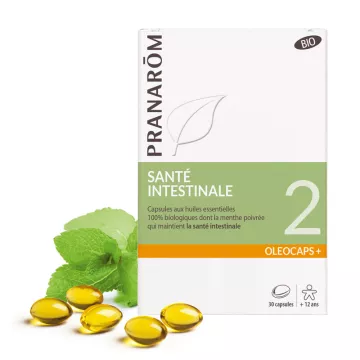
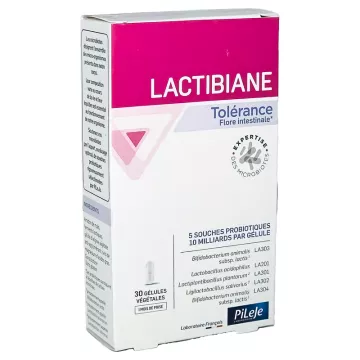
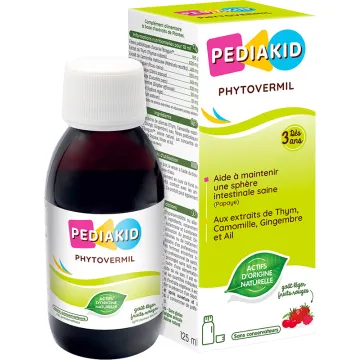
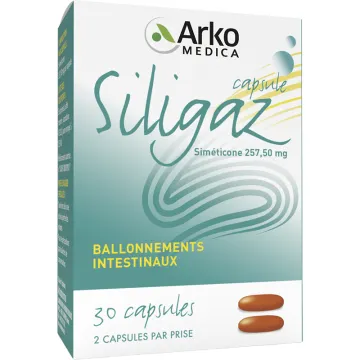
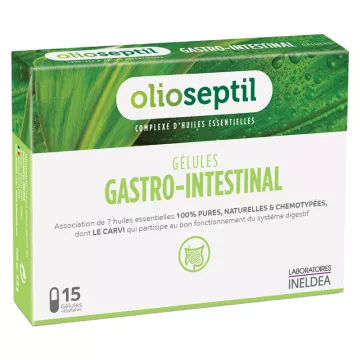
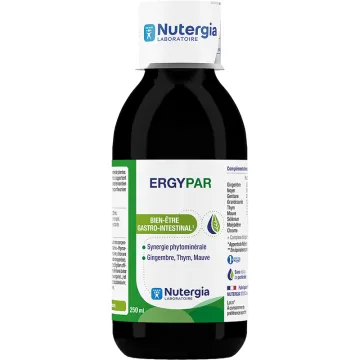
Several active ingredients specifically target different functions of the intestinal system. Find them in our line of probiotics and digestive supplements.
- Probiotics: Lactobacillus acidophilus (small intestine), Bifidobacterium longum (colon)—restore microbial diversity—strengthen the mucosal barrier—minimum treatment duration of 4–6 weeks
- Omega-3 (EPA/DHA): reduce inflammation of the intestinal mucosa — promote the integrity of tight junctions (prevent intestinal permeability) — increase microbiota diversity
- Magnesium: regulates intestinal motility — has a mild osmotic effect on the colon — reduces irritable bowel syndrome spasms
- Glutamine: conditionally essential amino acid — energy substrate for enterocytes (small intestine cells) — supports mucosal integrity during periods of intestinal stress
- Prebiotic fibers (inulin, FOS, pectin): nourish Bifidobacterium and Lactobacillus — increase butyrate production — see our page on improving bowel movements
Diet, physical activity, and gut health
- Fiber 25–30 g/day: fuel for the colonic microbiota—vegetables, legumes, whole grains, fruits—increase intake gradually while staying well-hydrated
- Fermented foods: kefir, plain yogurt, sauerkraut, kimchi, miso—provide natural probiotics and metabolites beneficial to the intestinal lining
- Physical activity 150 min/week: significantly increases the diversity of the gut microbiota — improves colonic motility — reduces transit time — see our page on the digestive system
- Hydration: 1.5–2 L/day—water is essential for digestive enzymes and for maintaining the soft consistency of stool in the colon
- Limit: alcohol (impairs intestinal permeability), refined sugars (promote the growth of pathogenic bacteria), antibiotics without a strict medical indication (destruction of the microbiota)