What is infectious mononucleosis, and how is it spread?
Infectious mononucleosis (IM), also known as the “kissing disease,” is a viral infection caused by the Epstein-Barr virus (EBV—HHV-4), a member of the herpesvirus family. EBV infects and immortalizes B lymphocytes (immune cells), triggering an intense immune response with proliferation of cytotoxic T lymphocytes—which are responsible for the mononucleosis syndrome. It primarily affects adolescents and young adults (ages 15–25). Management is medical—any sign of complications requires urgent medical attention. Visit our herpesvirus page, explore our immunity product line, and check out our probiotic supplements available at pharmacies to support recovery.
- Transmission: primarily through saliva (kissing, sharing glasses and utensils) — EBV is present in the saliva of infected individuals several weeks before symptoms appear and up to 6 months after recovery — less commonly through blood transfusion or organ transplantation — once a person is infected, EBV remains latent for life in B lymphocytes
- Incubation and contagiousness: incubation period 4–6 weeks (exceptionally long for a virus) — contagious from 7 days before symptoms appear until several months afterward — 95% of adults worldwide are EBV-seropositive — primary infection in early childhood is often asymptomatic or subclinical — the classic presentation of MNI occurs primarily during primary infection in adolescence or young adulthood
- Symptoms of the MNI clinical syndrome: classic triad — erythematous or pseudomembranous pharyngitis (bright red throat with a whitish coating) + fever (38–40 °C) + polyadenopathy (enlarged and tender cervical, axillary, and inguinal lymph nodes) — splenomegaly (enlarged spleen) — mild hepatomegaly — maculopapular rash (especially if amoxicillin or ampicillin is administered by mistake—characteristic rash) — intense and persistent fatigue
- Characteristic laboratory findings: CBC + smear — mononucleosis syndrome (lymphocytosis with atypical “activated” lymphocytes) — hepatic cytolysis (elevated AST, ALT) — Paul-Bunnell-Davidson test (heterophils) or Monospot test (rapid, 85% sensitivity) — EBV serology: VCA IgM (acute infection), VCA IgG, anti-EBNA (past infection)
- Differential diagnosis: streptococcal pharyngitis (positive TDR, no generalized lymphadenopathy) — CMV mononucleosis (better tolerated, less pharyngitis) — toxoplasmosis (lymphadenopathy + mononucleosis-like features + exposure to cats or raw meat) — primary HIV infection (mononucleosis-like presentation during primary infection)
Complications and warning signs to watch for
- Splenic rupture: the most feared serious complication (0.1–0.5% of cases) — splenomegaly weakens the spleen — sudden and intense left-sided abdominal pain → surgical emergency (call 15) — absolute contraindications for 3–4 weeks after MNI: contact sports, intense physical activity, forceful abdominal palpation
- Hepatic complications: hepatic cytolysis occurs in 80% of MNI cases (usually moderate and transient) — severe hepatitis is rare — jaundice is possible — laboratory monitoring is recommended — complete abstinence from alcohol throughout the recovery period (increased risk of hepatic toxicity)
- Neurological complications: encephalitis, aseptic meningitis, Guillain-Barré syndrome, facial paralysis — rare but require hospitalization — any severe headache + neck stiffness or altered consciousness → emergency
- Hematologic complications: thrombocytopenia (risk of bleeding if < 20,000/mm³) — autoimmune hemolytic anemia (cold agglutinins) — neutropenia
- Chronic EBV infection and lymphomas: EBV is associated with malignant conditions (Burkitt lymphoma, Hodgkin lymphoma, nasopharyngeal carcinoma) in immunocompromised individuals—medical monitoring of persistent lymphadenopathy lasting > 4 weeks after recovery
Treatment, Convalescence, and Fatigue Management
- Symptomatic treatment (the only treatment available): no specific antiviral treatment available — acetaminophen 1 g × 3/day for fever and pain — short-term NSAIDs for very painful sore throat — corticosteroids (prednisolone) reserved for severe cases (airway obstruction, severe thrombocytopenia) by prescription only — antibiotics are not indicated unless there is a proven bacterial superinfection — never administer amoxicillin or ampicillin (skin rash occurs in 80% of cases)
- Rest and physical activity: relative rest during the acute phase (2–3 weeks) — time off from school or work depending on overall condition — gradual resumption of activities — contact sports and intense physical activities are contraindicated for 3–4 weeks (risk of spleen rupture) — return to sports under medical supervision with confirmation that splenomegaly has resolved (ultrasound if in doubt)
- Hydration and diet: sore throat may make swallowing difficult — cold liquids (ice cream, yogurt, smoothies) — light, easy-to-swallow foods — avoid alcohol (hepatotoxic) — drink 2–3 L/day to compensate for fluid loss due to fever
- Post-EBV fatigue (post-infectious fatigue syndrome): Fatigue may persist for 4–12 weeks after clinical recovery — in 5–10% of cases, it may last several months (post-EBV chronic fatigue syndrome) — gradual rest + regular sleep + gradual return to activities — EBV reactivation → immunosuppression → increases susceptibility to other infections
- Never: participate in contact sports < 4 weeks — consume alcohol during recovery — take amoxicillin or ampicillin (characteristic rash in 80% of MNI cases) — underestimate acute left-sided abdominal pain
Natural immune support and post-MNI recovery
- Vitamin D3: activates cytotoxic T lymphocytes that control EBV latency — D3 deficiency is associated with prolonged symptoms and an increased risk of post-EBV fatigue syndrome — 1,000–2,000 IU/day during and after convalescence
- Zinc: a cofactor for thymosin (T-cell maturation) and the antiviral immune response — deficiency → weakened anti-EBV immunity + prolonged recovery — zinc gluconate or bisglycinate 10–15 mg/day — visit our dedicated page
- Selenium: cofactor for GPx, protecting immune cells from oxidative stress generated by an intense immune response — selenomethionine 100 µg/day
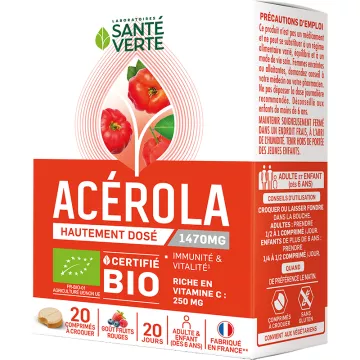
- Vitamin C (acerola): supports neutrophils + collagen synthesis in inflamed mucous membranes (sore throat) + antioxidant effect on hyperactivated immune cells — 500–1,000 mg/day during and after the acute phase
- Recovery from post-EBV fatigue: regular sleep for 7–9 hours — magnesium bisglycinate 300–400 mg/night (muscles + nervous system + sleep) — probiotics (L. rhamnosus, B. longum) to support the gut-immune axis — rhodiola if persistent mental fatigue (after consulting a doctor) — visit our immune system page