What is an immunostimulant, and how does it work?
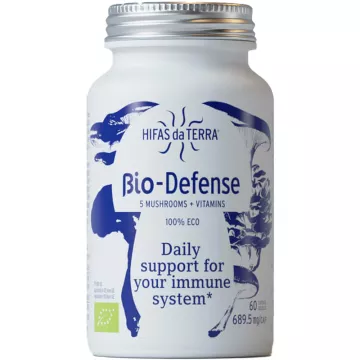
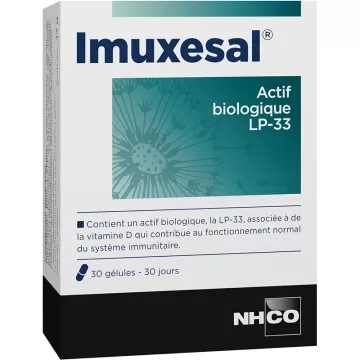
An immunostimulant is a natural or pharmaceutical substance capable of boosting the activity of the immune system—by stimulating the production or activation of immune cells (macrophages, NK cells, T and B lymphocytes) or by increasing the synthesis of immune mediators (cytokines, interleukins, interferons). It differs from an immunomodulator, which regulates immunity in both directions (stimulation AND modulation). Visit our immune defense page for a complete overview. Find our immunity product line, our probiotic formulas, and our probiotic supplements at your local pharmacy.
- Immunostimulation vs. immunomodulation: — Immunostimulation activates the immune system (useful for preventing infections) — Immunomodulation also regulates excessive responses (inflammatory or autoimmune) — certain plants, such as echinacea or astragalus, combine both effects depending on the dose and duration of use
- Main target cells: macrophages (phagocytosis + antigen presentation) — NK cells — Natural Killer (destroy infected and cancerous cells without prior activation) — cytotoxic T lymphocytes — B lymphocytes (production of IgG, IgA, and IgM antibodies) — dendritic cells (bridge between innate and adaptive immunity)
- Fundamental precaution: Any stimulation of the immune system is contraindicated in autoimmune diseases (rheumatoid arthritis, lupus, MS, IBD, Hashimoto’s thyroiditis) where the immune system is already overactive — the same applies when taking immunosuppressants (transplantation, chemotherapy) — always inform your doctor
- Optimal time for use: for prevention (fall–winter) — during an epidemic — after a prolonged infection (convalescence) — during periods of overexertion or chronic stress (cortisol = immunosuppressant) — check out our sleep formulas, as sleep deprivation is the leading preventable cause of immunosuppression
- Duration of treatment: Most immunostimulants are used in short courses (8–12 weeks maximum) with a break — prolonged immune stimulation without rest can paradoxically exhaust the system — certain adaptogens (astragalus, rhodiola) can be taken for longer courses
The best-documented plant-based immunostimulants
- Echinacea (Echinacea purpurea): the gold standard among phytotherapeutic immunostimulants—polysaccharides and alkylamides stimulate macrophages, NK cells, and the production of pro-inflammatory cytokines (TNF-α, IL-1, IL-6)—meta-analyses: 35% reduction in the risk of the common cold + 26% reduction in duration — 8–10-day course of treatment starting at the first symptoms or as a winter preventive measure — contraindicated in autoimmune diseases
- Astragalus (Astragalus membranaceus): a plant used in traditional Chinese medicine — polysaccharides (astragalosides) + saponins — stimulates T lymphocytes, NK cells, and macrophages — associated adaptogenic effect (stress resistance) — positive studies on immunity following chemotherapy (under oncological supervision) — long-term treatment possible (2–3 months)
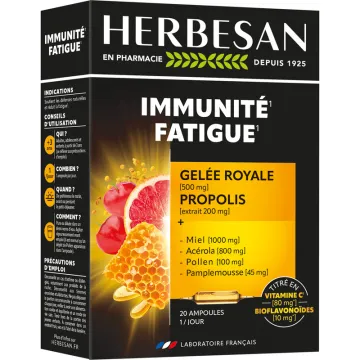
- Propolis: flavonoids + phenolic acids — immunostimulant + antimicrobial + antiviral (influenza, HSV, rhinovirus, coronavirus) — stimulates macrophage phagocytosis and the production of secretory IgA antibodies (mucosal protection) — available as an oral spray for ENT infections and in capsules for systemic immunity
- Reishi (Ganoderma lucidum): medicinal mushroom — immunostimulatory beta-glucans (polysaccharides) + immunomodulatory triterpenes — stimulates NK cells and T lymphocytes — adaptogenic and anti-inflammatory properties — positive studies on fatigue and immunity — standardized extract rich in beta-glucans
- Elderberry (Sambucus nigra): anthocyanins + lectins — documented antiviral properties against influenza (neuraminidase inhibition) — stimulates the production of immunostimulatory cytokines (IL-1β, TNF-α) — syrup or standardized extract — start taking as soon as the first flu-like symptoms appear — explore our immunity product line
Essential Immune-Boosting Micronutrients
- Vitamin D3: major immunostimulant — activates macrophages and dendritic cells + stimulates the production of antimicrobial peptides (defensins, cathelicidin) — a deficiency in D3 doubles the risk of respiratory infections — 1,000–2,000 IU/day from October through March — a 25-OH-D3 blood test is recommended before supplementation
- Zinc: a cofactor for thymosin (a thymus hormone) + essential for T-cell development — deficiency → lymphopenia + thymus atrophy + recurrent infections — zinc gluconate or bisglycinate 10–15 mg/day — zinc reduces the duration of a cold by 33% if taken within 24 hours of the first symptoms
- Selenium: cofactor for GPx (glutathione peroxidases) + thioredoxin reductase — protects immune cells from oxidative stress during the inflammatory response — activates NK cells + promotes T-cell differentiation — selenomethionine 100–200 µg/day
- Vitamin C (acerola): stimulates the production and mobility of neutrophils + antibody synthesis + NK cell activity — naturally concentrated in acerola along with synergistic bioflavonoids — 500–1,000 mg/day as a preventive winter regimen
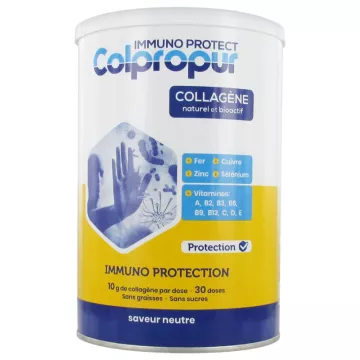
- Beta-glucans (baker’s yeast, oats, mushrooms): polysaccharides recognized by the Dectin-1 receptors on macrophages and NK cells → activation of innate immunity — well-documented effects on reducing the duration of colds and susceptibility to infections — the supplement of choice to combine with immunostimulant herbs
Practical Use, Synergies, and Precautions
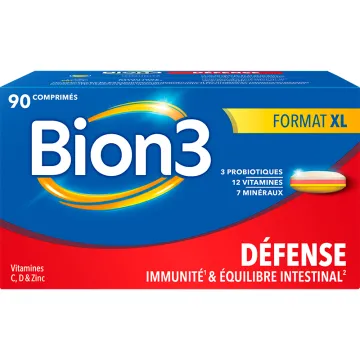
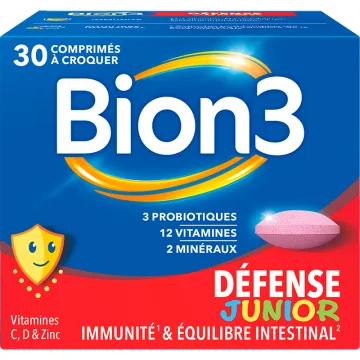
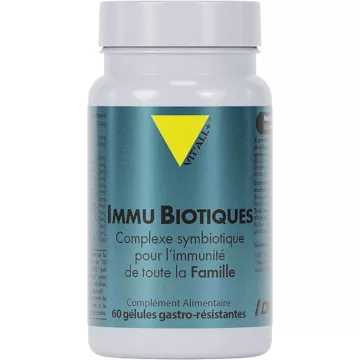
- Recommended winter protocol: vitamin D3 1,000–2,000 IU/day (October through March) + zinc 10–15 mg/day + vitamin C 500 mg/day continuously — echinacea or propolis in short courses (8–10 days) at the first sign of symptoms or as a preventive measure during exposure (public transportation, epidemics) — probiotics (Lactobacillus rhamnosus GG) throughout the winter to support the immune microbiota
- Synergy of immunostimulants: Vitamin D3 + zinc + selenium = micronutritional foundation — echinacea or propolis or astragalus = herbal therapy — beta-glucans = innate immunity booster — vitamin C = mucosal support and antioxidant — combining multiple approaches yields the best results in studies
- Pregnancy and breastfeeding: Vitamin D3 + vitamin C + zinc at standard doses = safe — Echinacea: insufficient data during the first trimester; use with caution — Propolis: avoid if allergic to bee products — Astragalus: use with caution; limited data — Always consult a doctor or pharmacist
- Absolute contraindications for immunostimulants: autoimmune diseases (lupus, RA, MS, IBD, Hashimoto’s disease) — immunosuppressants (tacrolimus, cyclosporine) — organ transplant recipients — leukemias and lymphomas (unless approved by an oncologist) — visit our immune system page for general approaches without major contraindications
- Quality and traceability: choose standardized extracts with active ingredient titration — organic certifications (AB, ECOCERT) — controlled origin (French propolis) — specify the strain and concentration for probiotics — purchase from a pharmacy to ensure quality control