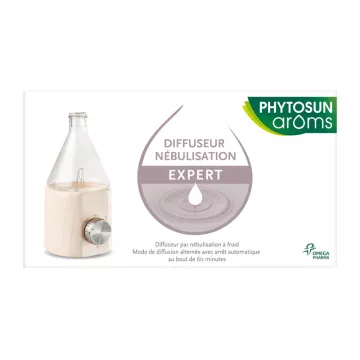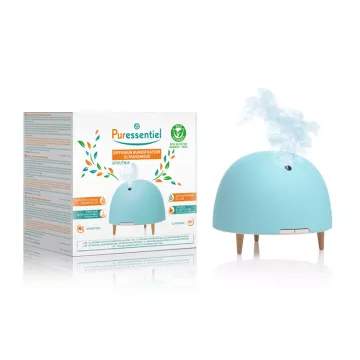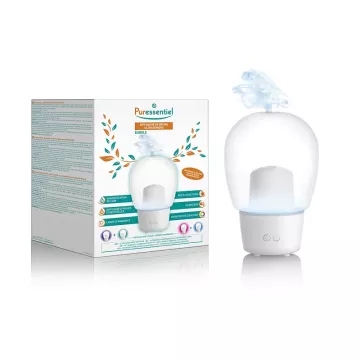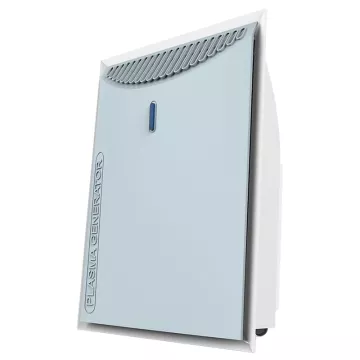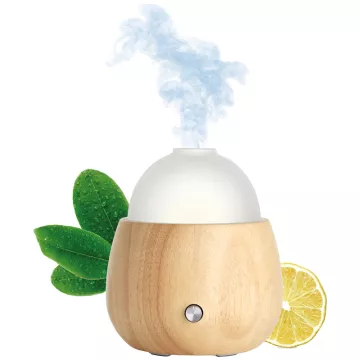
A humidifier is a device that increases the relative humidity of the ambient air by diffusing an ultrasonic water mist (using a high-frequency vibrating membrane) or by vaporizing hot steam. Its primary function is to address excessively dry air, which is common in winter when heating significantly lowers indoor humidity levels. Unlike a simple room misting device, a humidifier continuously affects the atmosphere of an entire room, with a water reservoir ranging from several hundred milliliters to a few liters, depending on the model.
These two devices are often confused because they both produce a fine mist, but their functions differ significantly. A humidifier primarily targets the air’s humidity level, with or without essential oil added to the water. An essential oil diffuser, on the other hand, is designed to disperse aromatic molecules in a controlled manner—sometimes through waterless nebulization—with a focus on scent and aromatherapy rather than humidity control. Some models combine both functions in a single device, but not all humidifiers are designed to hold essential oils: prolonged contact with certain oils can damage the ultrasonic membrane or the plastic of the reservoir.
A relative humidity level maintained between 40% and 60% is generally considered comfortable for the respiratory mucous membranes and the skin. Air that is too dry can cause the respiratory tract to dry out and may exacerbate nasal irritation or a dry cough at night, as well as a sensation of dry, tight skin during the heating season. Properly humidified air contributes to overall respiratory comfort, complementing adequate oral hydration of the respiratory tract.
Thorough maintenance is essential to prevent the device itself from becoming a source of air contamination:
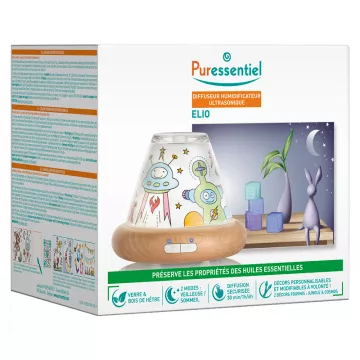
A combined humidifier-diffuser can be a good compromise for those who want to both regulate humidity levels and enjoy a subtle aromatic atmosphere, particularly in a child’s bedroom or to help a child sleep. However, you should verify that the manufacturer explicitly confirms compatibility with essential oils, use very small amounts (1 to 2 drops maximum), and never use undiluted essential oils in a device not designed for that purpose.
A poorly maintained humidifier can spread bacteria and mold into the air rather than providing respiratory benefits. In cases of allergic rhinitis or asthma, improperly controlled humidity levels can worsen symptoms rather than relieve them. Avoid using a humidifier in an infant’s room without prior pediatric advice; position the device away from the bed and electrical outlets; and stop using it if you notice a suspicious odor or visible buildup in the reservoir.